

Oil prices drop as IEA predicts global supply surplus

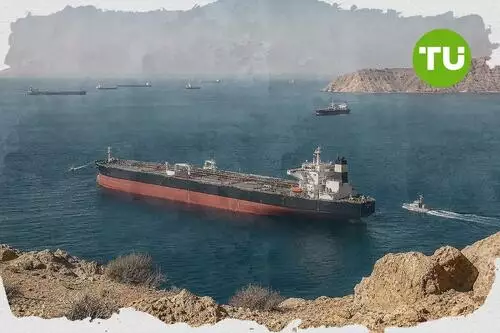
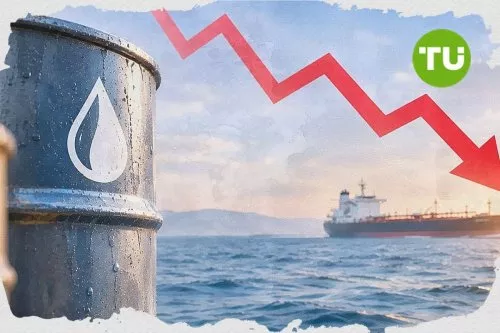
Oil prices fell on Monday as recovering exports from the Middle East strengthened expectations that global crude supplies will exceed demand later this year. Fresh reports of tanker incidents in the Strait of Hormuz failed to reverse the decline, suggesting that concerns about excess supply are increasingly outweighing fears of prolonged disruptions.
Highlights
- Brent falls 1.40%, while WTI declines 0.91%.
- The IEA forecasts a daily oil surplus of 1.7 million barrels.
- Weaker Chinese demand offsets Middle East supply risks.
January Brent crude futures dropped 1.40%, to $94.50 a barrel, while January West Texas Intermediate futures fell 0.91%, to $86.50, based on the latest market snapshots. Both benchmarks declined as traders reassessed supply conditions following a faster-than-expected recovery in regional oil shipments, Reuters reports.
IEA forecasts return to global oil surplus
The International Energy Agency expects global oil production to exceed consumption in the fourth quarter, reversing its previous forecast of a supply deficit. The agency estimates output will average 105 million barrels per day, approximately 1.7 million barrels above projected demand.
The revised outlook reflects the recovery of Middle Eastern exports despite continuing security threats around the Strait of Hormuz. Around 15 million barrels of crude passed through the waterway daily in 2025, making it a critical route for international energy trade.
The IEA also outlined plans to release another 71 million barrels from emergency reserves by the end of February, including 15 million barrels of diesel intended to ease shortages in refined products.
Goldman Sachs expects the market to become increasingly well supplied as production normalizes. The bank forecasts Brent averaging $88 a barrel in 2027 before declining toward $78 by the end of that year.
Weaker Chinese demand adds to downward pressure
China's latest economic figures reinforced concerns about consumption in the world's second-largest oil market. Refinery throughput fell 2% in October compared with September and declined 8.1% from a year earlier, according to the National Bureau of Statistics.
Higher domestic production and imports, combined with reduced refinery activity, suggest that Chinese crude inventories increased by approximately 492,000 barrels per day during October.
Meanwhile, Iran's Revolutionary Guards reported that two oil tankers struck naval mines in the Strait of Hormuz on Monday. Iranian authorities also claimed that six vessels had caught fire in incidents since Sunday, although those accounts could not be independently verified.
Shipping risks remain a threat to supply recovery
The latest tanker incidents highlight the fragility of the recovery in Middle Eastern exports. Even as more crude reaches international markets, shipping companies face continued uncertainty over vessel safety, insurance costs, and access to established routes through the Persian Gulf.
BMI analysts warned that renewed disruptions could restrict production and exports, leaving oil markets sensitive to developments in negotiations between Washington and Tehran. The conflict therefore remains an important source of uncertainty despite improving supply conditions.
As we previously reported, Iran signals willingness to negotiate despite Bahrain attacks and Hormuz tensions.






Latest Brent News



-
 Afghanistan
-
 Albania
-
 Algeria
-
 Angola
-
 Argentina
-
 Armenia
-
 Australia
-
 Austria
-
 Azerbaijan
-
 Bahamas
-
 Bahrain
-
 Bangladesh
-
 Belarus
-
 Belgium
-
 Bolivia
-
 Botswana
-
 Brazil
-
 Brunei
-
 Bulgaria
-
 Cambodia
-
 Cameroon
-
 Canada
-
 Chile
-
 China
-
 Colombia
-
 Congo
-
 Costa Rica
-
 Cote d'Ivoire
-
 Croatia
-
 Cuba
-
 Cyprus
-
 Czechia
-
 DR Congo
-
 Denmark
-
 Dominican Republic
-
 Ecuador
-
 Egypt
-
 El Salvador
-
 Estonia
-
 Eswatini
-
 Ethiopia
-
 Finland
-
 France
-
 Georgia
-
 Germany
-
 Ghana
-
 Greece
-
 Haiti
-
 Hong Kong
-
 Hungary
-
 India
-
 Indonesia
-
 Iran, Islamic republic
-
 Iraq
-
 Ireland
-
 Israel
-
 Italy
-
 Jamaica
-
 Japan
-
 Jordan
-
 Kazakhstan
-
 Kenya
-
 Korea
-
 Kuwait
-
 Kyrgyzstan
-
 Laos
-
 Latvia
-
 Lebanon
-
 Lesotho
-
 Libya
-
 Lithuania
-
 Luxembourg
-
 Madagascar
-
 Malaysia
-
 Malta
-
 Mauritius
-
 Mexico
-
 Moldova
-
 Mongolia
-
 Montenegro
-
 Morocco
-
 Mozambique
-
 Myanmar
-
 Namibia
-
 Nepal
-
 Netherlands
-
 New Zealand
-
 Nigeria
-
 North Macedonia
-
 Norway
-
 Oman
-
 Pakistan
-
 Palestine
-
 Panama
-
 Papua New Guinea
-
 Paraguay
-
 Peru
-
 Philippines
-
 Poland
-
 Portugal
-
 Puerto Rico
-
 Qatar
-
 Reunion
-
 Romania
-
 Rwanda
-
 Saudi Arabia
-
 Serbia
-
 Singapore
-
 Slovakia
-
 Slovenia
-
 Somalia
-
 South Africa
-
 Spain
-
 Sri Lanka
-
 Sweden
-
 Switzerland
-
 Syria
-
 Taiwan
-
 Tajikistan
-
 Tanzania
-
 Thailand
-
 Trinidad and Tobago
-
 Tunisia
-
 Turkey
-
 UAE
-
 Uganda
-
 Ukraine
-
 United Kingdom
-
United States
-
 Uruguay
-
 Uzbekistan
-
 Venezuela
-
 Vietnam
-
 Yemen
-
 Zambia
-
 Zimbabwe
- Forex
- Crypto












