

U.S. homebuilding shifts away from brick in new construction

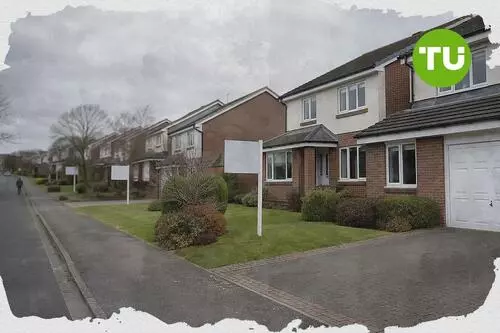
Record home prices in the U.S. are colliding with a long-running change in how houses are built, as brick loses ground in new single-family construction. Brick or brick veneer covers 16.8% of homes started in 2025, underscoring how builders continue to favor faster and cheaper wood-frame methods.
Highlights
- The share of new U.S. single-family homes using brick or brick veneer will decline to 16.8% in 2025, from nearly 25% in 2012 according to NAHB data.
- Builders are favoring wood-frame construction for lower costs, faster build times, and scalability, driven by labor shortages and efficiency demands.
- The construction industry faces a projected need for 456,000 new workers by 2027, intensifying a shift away from masonry despite brick's potential resurgence in fire-prone regions.
Construction economics reshape housing materials
As reported by Fortune, the share of new single-family homes using brick or brick veneer falls to 16.8% in 2025, down from nearly a quarter in 2012, based on a National Association of Home Builders analysis of Census data.That decline reflects a decades-long move away from structural masonry walls, which support a building, toward wood-frame construction with brick veneer as an exterior finish. Builders continue to prioritize lower costs, faster build times and methods that are easier to standardize at scale.
The shift accelerates after World War II, when developers respond to urgent housing demand from returning veterans and their families. Architects and contractors cited in the report say wood framing expands because crews can assemble homes more quickly and with less specialized training than full masonry construction requires.
Labor shortages and fire risk influence future demand
Industry pressures also include a shrinking pool of skilled bricklayers and wider labor shortages across construction. The Associated Builders and Contractors estimate the industry will need 456,000 new workers in 2027, adding to the challenge of building traditional masonry homes.Even so, some architects and builders see room for brick to regain relevance, especially in areas facing wildfire risk and demand for more fire-resistant materials. They also point to modular brick systems, prefabricated veneer products and tool-assisted kits as possible ways to reduce labor barriers and broaden the use of brick in future homebuilding.
Earlier, we outlined how Malaysia’s Menarabena platform aims to streamline construction procurement with certification and compliance information.






Latest Housing Market News




-
 Afghanistan
-
 Albania
-
 Algeria
-
 Angola
-
 Argentina
-
 Armenia
-
 Australia
-
 Austria
-
 Azerbaijan
-
 Bahamas
-
 Bahrain
-
 Bangladesh
-
 Belarus
-
 Belgium
-
 Bolivia
-
 Botswana
-
 Brazil
-
 Brunei
-
 Bulgaria
-
 Cambodia
-
 Cameroon
-
 Canada
-
 Chile
-
 China
-
 Colombia
-
 Congo
-
 Costa Rica
-
 Cote d'Ivoire
-
 Croatia
-
 Cuba
-
 Cyprus
-
 Czechia
-
 DR Congo
-
 Denmark
-
 Dominican Republic
-
 Ecuador
-
 Egypt
-
 El Salvador
-
 Estonia
-
 Eswatini
-
 Ethiopia
-
 Finland
-
 France
-
 Georgia
-
 Germany
-
 Ghana
-
 Greece
-
 Haiti
-
 Hong Kong
-
 Hungary
-
 India
-
 Indonesia
-
 Iran, Islamic republic
-
 Iraq
-
 Ireland
-
 Israel
-
 Italy
-
 Jamaica
-
 Japan
-
 Jordan
-
 Kazakhstan
-
 Kenya
-
 Korea
-
 Kuwait
-
 Kyrgyzstan
-
 Laos
-
 Latvia
-
 Lebanon
-
 Lesotho
-
 Libya
-
 Lithuania
-
 Luxembourg
-
 Madagascar
-
 Malaysia
-
 Malta
-
 Mauritius
-
 Mexico
-
 Moldova
-
 Mongolia
-
 Montenegro
-
 Morocco
-
 Mozambique
-
 Myanmar
-
 Namibia
-
 Nepal
-
 Netherlands
-
 New Zealand
-
 Nigeria
-
 North Macedonia
-
 Norway
-
 Oman
-
 Pakistan
-
 Palestine
-
 Panama
-
 Papua New Guinea
-
 Paraguay
-
 Peru
-
 Philippines
-
 Poland
-
 Portugal
-
 Puerto Rico
-
 Qatar
-
 Reunion
-
 Romania
-
 Rwanda
-
 Saudi Arabia
-
 Serbia
-
 Singapore
-
 Slovakia
-
 Slovenia
-
 Somalia
-
 South Africa
-
 Spain
-
 Sri Lanka
-
 Sweden
-
 Switzerland
-
 Syria
-
 Taiwan
-
 Tajikistan
-
 Tanzania
-
 Thailand
-
 Trinidad and Tobago
-
 Tunisia
-
 Turkey
-
 UAE
-
 Uganda
-
 Ukraine
-
 United Kingdom
-
United States
-
 Uruguay
-
 Uzbekistan
-
 Venezuela
-
 Vietnam
-
 Yemen
-
 Zambia
-
 Zimbabwe
- Forex
- Crypto












