
GlobalVentures365 breaks down importance of data-driven trading tools
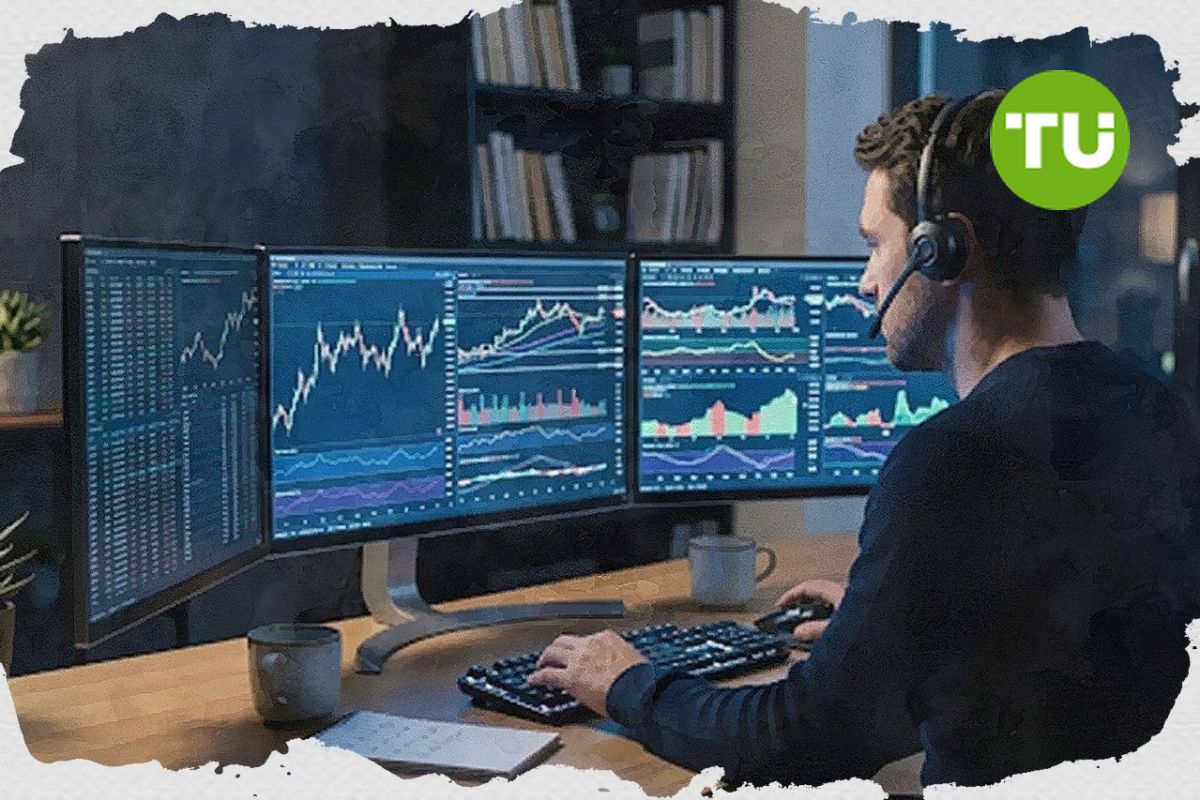
The way retail traders make decisions has changed noticeably over the past decade. Earlier, many relied on market tips, personal assumptions, or headlines that appeared at the right moment. Today, more traders first turn to data before deciding whether to enter a position.
Highlights
- Retail traders are increasingly relying on data and analytics rather than market tips or intuition.
- GlobalVentures365 says real-time analysis has become a core requirement for modern trading platforms.
- Data-driven tools help traders identify market patterns, monitor risks, and make more informed decisions.
- Faster access to analytics is becoming increasingly important as traders seek to react to market changes in real time.
- GlobalVentures365 believes analytical tools work best when combined with expert insights from financial professionals.

- Chosen by 0+ local traders in the last 3 months.
- Traders earn on average 12% more per month vs other brokers.
GlobalVentures365 describes this gradual shift as one of the more important changes in retail trading. The brokerage, which has operated since 2011, notes that traders are increasingly unwilling to make decisions without analytical support. In its view, platforms that remain competitive are those that give retail users access to real-time data, market analysis, and decision-support tools instead of reserving these capabilities only for professional or institutional clients.
Instinct used to be enough. It isn't anymore
Retail trading spent years saddled with a reputation for emotion over analysis, and some of that was fair. Decisions were reactive, shaped by whatever happened to be loud that week.
What GlobalVentures365 points to now is a quieter, more deliberate habit settling in. Traders want to look before they leap. Data does not make the uncertainty vanish, and nobody serious pretends otherwise. What it does is shrink the part of a decision that comes down to pure guesswork, and for a lot of people that has been enough to change how they sit down in front of the screen. The trader who once chased a move now tends to ask why it is happening first, and that single change in habit tends to ripple through everything else they do.
What do data-driven trading tools actually change?
Mostly, what a trader is able to see.
According to GlobalVentures365, the platform builds in tools meant to read conditions as they move, surface patterns, and flag risk levels before any capital goes in. Stated plainly, that turns a messy stream of prices into something a person can reason about. A currency pair behaving oddly against its recent range, a commodity drifting on thin volume, an index stalling at a level it keeps failing to clear: these are the kinds of signals that vanish in raw data and become visible once something is organizing them.

There is a genuine divide between platforms here. Some hand you an order button and leave the thinking entirely to you. Others fold the analysis into the environment itself, which lowers the bar for making an informed call. For anyone trading without a research team behind them, and that describes the overwhelming majority of retail traders, the second kind is far more useful than it looks at first glance. It does not make anyone an expert overnight, but it removes a lot of the friction that used to sit between a question and a usable answer.
Speed is the part most people underestimate
Markets do not wait around. A signal that lands an hour late might as well not have arrived, which is why the expectation has moved toward analysis that keeps pace with conditions in real time rather than narrating them after the fact. In fast-moving sessions, even a delay of a few minutes can turn a reasonable entry into a poor one, and retail traders have grown noticeably less tolerant of that kind of lag.
The wider research lines up with this. The CFA Institute has documented how deeply data and analytical technology now run through investment decision-making across the industry, while analysis from RSM points to a retail base that has grown more sophisticated, helped by far better access to research tools than it had even a few years ago. GlobalVentures365 reads its own product direction against that same backdrop, treating fast and reachable analytics as a baseline requirement rather than something to advertise as a perk.
Where the analyst still beats the algorithm
Here is the part the data-first story tends to gloss over. Numbers do not interpret themselves. Someone still has to decide what a pattern means and whether it is worth acting on.
That is the thinking behind keeping dedicated financial analysts on hand alongside the tools, an arrangement GlobalVentures365 treats as part of the same offering rather than a bolt-on. A dashboard can tell you what is happening. A short conversation with someone who reads these markets for a living can help you work out what to actually do about it, especially in the moments when the data points two ways at once and the right call is not obvious from the numbers alone.
None of this is heading toward a future where retail traders simply hand their judgment over to software. If anything it is the reverse. The people driving this shift want sharper inputs precisely so they can make their own calls with more confidence, and the brokerages that grasp that, the ones building decision support into the core of the experience instead of charging extra for it, are the ones that fit how this corner of the market actually works now.
About GlobalVentures365
GlobalVentures365 is an online brokerage that has been providing access to financial markets since 2011. The company offers trading across multiple asset classes and provides clients with market analysis, educational resources, and trading tools designed to support investment and trading decisions. GlobalVentures365 serves retail traders in various international markets and continues to expand its analytical and technology-driven offerings.





Latest Brokers News






-
 Afghanistan
-
 Albania
-
 Algeria
-
 Angola
-
 Argentina
-
 Armenia
-
 Australia
-
 Austria
-
 Azerbaijan
-
 Bahamas
-
 Bahrain
-
 Bangladesh
-
 Belarus
-
 Belgium
-
 Bolivia
-
 Botswana
-
 Brazil
-
 Brunei
-
 Bulgaria
-
 Cambodia
-
 Cameroon
-
 Canada
-
 Chile
Chile
-
 China
China
-
 Colombia
-
 Congo
Congo
-
 Costa Rica
-
 Cote d'Ivoire
-
 Croatia
-
 Cuba
Cuba
-
 Cyprus
-
 Czechia
-
 DR Congo
-
 Denmark
-
 Dominican Republic
-
 Ecuador
-
 Egypt
Egypt
-
 El Salvador
-
 Estonia
-
 Eswatini
-
 Ethiopia
-
 Finland
-
 France
-
 Georgia
-
 Germany
-
 Ghana
Ghana
-
 Greece
-
 Haiti
Haiti
-
 Hong Kong
-
 Hungary
-
 India
India
-
 Indonesia
-
 Iran, Islamic republic
-
 Iraq
Iraq
-
 Ireland
-
 Israel
-
 Italy
Italy
-
 Jamaica
-
 Japan
Japan
-
 Jordan
-
 Kazakhstan
-
 Kenya
Kenya
-
 Korea
Korea
-
 Kuwait
-
 Kyrgyzstan
-
 Laos
Laos
-
 Latvia
-
 Lebanon
-
 Lesotho
-
 Libya
Libya
-
 Lithuania
-
 Luxembourg
-
 Madagascar
-
 Malaysia
-
 Malta
Malta
-
 Mauritius
-
 Mexico
-
 Moldova
-
 Mongolia
-
 Montenegro
-
 Morocco
-
 Mozambique
-
 Myanmar
-
 Namibia
-
 Nepal
Nepal
-
 Netherlands
-
 New Zealand
-
 Nigeria
-
 North Macedonia
-
 Norway
-
 Oman
Oman
-
 Pakistan
-
 Palestine
-
 Panama
-
 Papua New Guinea
-
 Paraguay
-
 Peru
Peru
-
 Philippines
-
 Poland
-
 Portugal
-
 Puerto Rico
-
 Qatar
Qatar
-
 Reunion
-
 Romania
-
 Rwanda
-
 Saudi Arabia
-
 Serbia
-
 Singapore
-
 Slovakia
-
 Slovenia
-
 Somalia
-
 South Africa
-
 Spain
Spain
-
 Sri Lanka
-
 Sweden
-
 Switzerland
-
 Syria
Syria
-
 Taiwan
-
 Tajikistan
-
 Tanzania
-
 Thailand
-
 Trinidad and Tobago
-
 Tunisia
-
 Turkey
-
 UAE
UAE
-
 Uganda
-
 Ukraine
-
 United Kingdom
-
United States
-
 Uruguay
-
 Uzbekistan
-
 Venezuela
-
 Vietnam
-
 Yemen
Yemen
-
 Zambia
-
 Zimbabwe
- Forex
- Crypto











