

Bangladesh brokers win initial approval for commodity derivatives licences

Bangladesh is moving closer to launching its first commodity exchange after the securities regulator grants in-principle approval to six brokerage firms to act as commodity derivatives brokers. The move supports a planned market for futures and options tied initially to gold, silver and crude palm oil, with broader ambitions to add key farm commodities later.
Highlights
- Bangladesh Securities and Exchange Commission issued letters of intent on 19 October to six stock brokerage firms for commodity derivatives licences.
- Chittagong Stock Exchange plans to launch the country's first commodity derivatives exchange with initial futures contracts in gold, silver, and crude palm oil.
- Successful implementation may allow expansion into agricultural commodities like rice and wheat, enabling price hedging and improved supply chain stability for local producers.

- Chosen by 0+ local traders in the last 3 months.
- Traders earn on average 12% more per month vs other brokers.
Licensing step for planned exchange launch
As reported by The Business Standard, the Bangladesh Securities and Exchange Commission decided at a commission meeting on 19 October to issue letters of intent to six stock brokerage firms after reviewing their applications and recommendations from the Chittagong Stock Exchange PLC.The firms are Sohel Securities Limited, Island Securities Limited, NLI Securities Limited, Be Rich Limited, PHP Stocks & Securities Limited, and UCB Stock Brokerage Limited. Their approval marks a key operational step in preparations for the country's first commodity derivatives exchange.
The Chittagong Stock Exchange is preparing a regulated marketplace where commodities or related contracts trade in a manner similar to company shares. Through futures and options contracts, the platform is designed to support price discovery, help participants hedge against market volatility and manage financial risk without immediate physical delivery of goods.
Broader market impact for Bangladesh
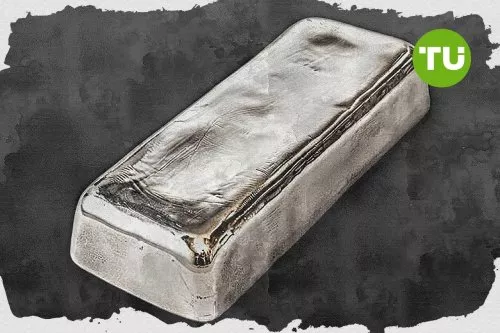
The exchange is proposed to begin with futures contracts for gold, silver and crude palm oil, using internationally recognised pricing benchmarks. CSE officials say gold and silver offer globally transparent prices, while crude palm oil is a significant import commodity for Bangladesh.If the initial phase is implemented successfully, the market could gradually expand into essential agricultural commodities such as rice and wheat. Bringing farm products onto the exchange would allow farmers and local producers to lock in prices months before harvest, reducing pressure from post-harvest distress sales and helping stabilise supply chains.
Any financial instruments and products introduced on the exchange remain subject to regulatory approval from the BSEC, according to CSE officials. That oversight is intended to keep the new market under formal supervision as Bangladesh develops its commodity derivatives sector.
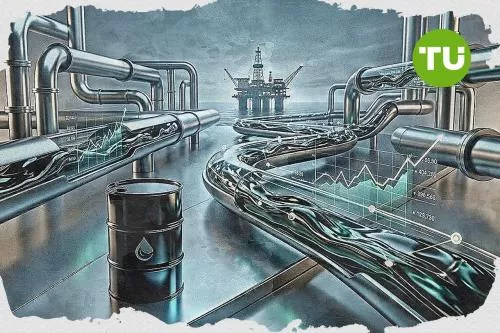
In our earlier article on the conflict-driven surge in crude oil shipping costs, we explained how tanker route disruptions and higher insurance premiums pushed freight to a major share of the per-barrel oil price. We also noted that these elevated transport costs can spill over into broader inflation via higher fuel and consumer goods prices, hitting import-dependent markets particularly hard.






Latest Commodities News



-
 Afghanistan
-
 Albania
-
 Algeria
-
 Angola
-
 Argentina
-
 Armenia
-
 Australia
-
 Austria
-
 Azerbaijan
-
 Bahamas
-
 Bahrain
-
 Bangladesh
-
 Belarus
-
 Belgium
-
 Bolivia
-
 Botswana
-
 Brazil
-
 Brunei
-
 Bulgaria
-
 Cambodia
-
 Cameroon
-
 Canada
-
 Chile
-
 China
-
 Colombia
-
 Congo
-
 Costa Rica
-
 Cote d'Ivoire
-
 Croatia
-
 Cuba
-
 Cyprus
-
 Czechia
-
 DR Congo
-
 Denmark
-
 Dominican Republic
-
 Ecuador
-
 Egypt
-
 El Salvador
-
 Estonia
-
 Eswatini
-
 Ethiopia
-
 Finland
-
 France
-
 Georgia
-
 Germany
-
 Ghana
-
 Greece
-
 Haiti
-
 Hong Kong
-
 Hungary
-
 India
-
 Indonesia
-
 Iran, Islamic republic
-
 Iraq
-
 Ireland
-
 Israel
-
 Italy
-
 Jamaica
-
 Japan
-
 Jordan
-
 Kazakhstan
-
 Kenya
-
 Korea
-
 Kuwait
-
 Kyrgyzstan
-
 Laos
-
 Latvia
-
 Lebanon
-
 Lesotho
-
 Libya
-
 Lithuania
-
 Luxembourg
-
 Madagascar
-
 Malaysia
-
 Malta
-
 Mauritius
-
 Mexico
-
 Moldova
-
 Mongolia
-
 Montenegro
-
 Morocco
-
 Mozambique
-
 Myanmar
-
 Namibia
-
 Nepal
-
 Netherlands
-
 New Zealand
-
 Nigeria
-
 North Macedonia
-
 Norway
-
 Oman
-
 Pakistan
-
 Palestine
-
 Panama
-
 Papua New Guinea
-
 Paraguay
-
 Peru
-
 Philippines
-
 Poland
-
 Portugal
-
 Puerto Rico
-
 Qatar
-
 Reunion
-
 Romania
-
 Rwanda
-
 Saudi Arabia
-
 Serbia
-
 Singapore
-
 Slovakia
-
 Slovenia
-
 Somalia
-
 South Africa
-
 Spain
-
 Sri Lanka
-
 Sweden
-
 Switzerland
-
 Syria
-
 Taiwan
-
 Tajikistan
-
 Tanzania
-
 Thailand
-
 Trinidad and Tobago
-
 Tunisia
-
 Turkey
-
 UAE
-
 Uganda
-
 Ukraine
-
 United Kingdom
-
United States
-
 Uruguay
-
 Uzbekistan
-
 Venezuela
-
 Vietnam
-
 Yemen
-
 Zambia
-
 Zimbabwe
- Forex
- Crypto












