

House Democrats warn Trump chip policy is worsening supply shortage risks
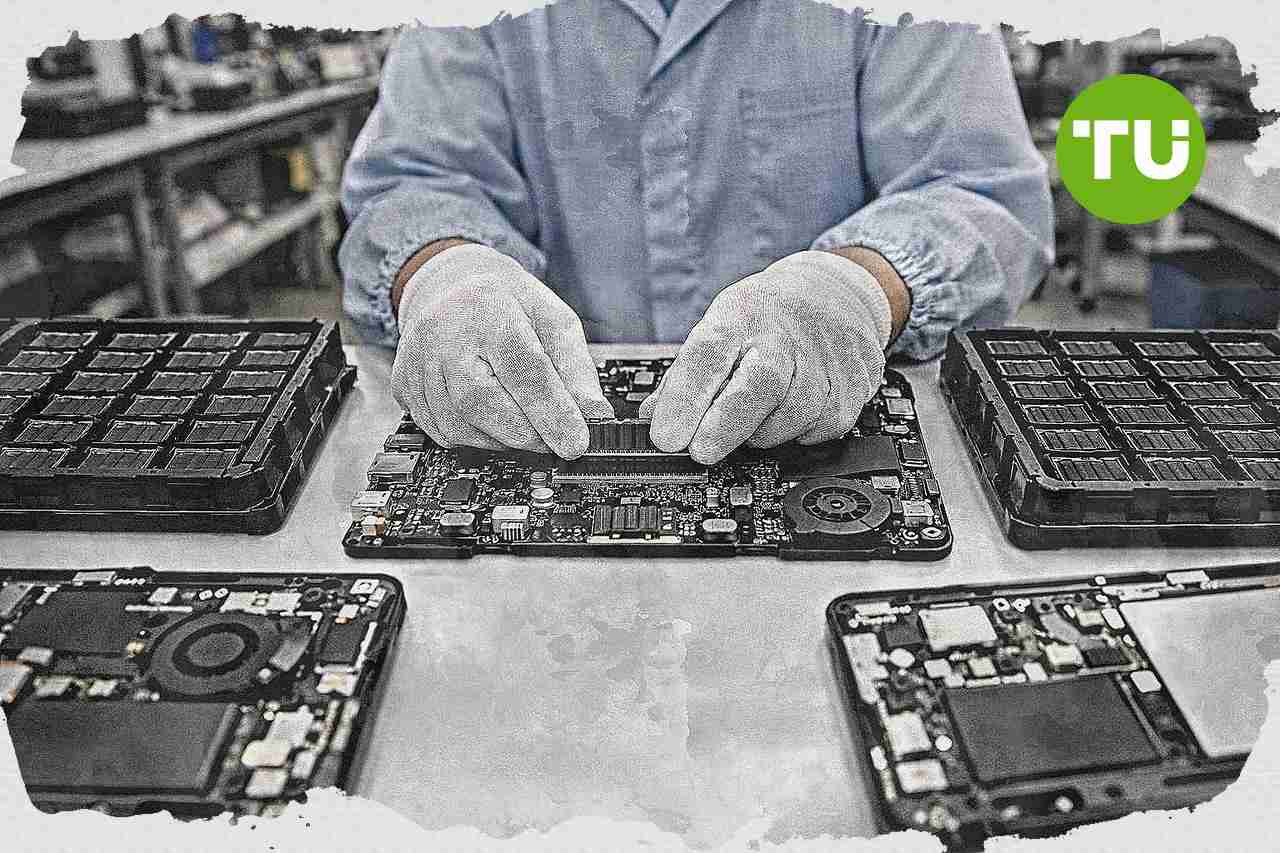
Rising memory-chip costs are pushing up prices for consumer electronics as AI-driven demand strains global supply. A senior House Democrat says the Trump administration is weakening incentives meant to expand chip production in the U.S., while Apple seeks approval to buy from blacklisted Chinese supplier CXMT.
Highlights
- Representative Ro Khanna warns that potential disruption of Chips and Science Act incentives for Samsung and SK Hynix could slow U.S. manufacturing capacity expansion and worsen electronics price pressures.
- Apple increases MacBook and iPad prices by about 20% due to higher memory-chip costs driven by AI demand, while Dell and HP have also raised prices amid widening supply shortages.
- Samsung and SK Hynix announce a $600 billion expansion plan in South Korea and Micron raises planned U.S. investment to $250 billion, but unclear Chips Act funding terms are causing industry uncertainty.
Congressional scrutiny of chip funding and sourcing
As first reported by Financial Times, Representative Ro Khanna says in a letter to Commerce Secretary Howard Lutnick that the administration may be disrupting previously promised Chips and Science Act support for Samsung and SK Hynix, two of the world's largest memory-chip makers. He argues that any interference with those incentives risks slowing efforts to expand manufacturing capacity in the U.S. and adds to price pressures already affecting electronics buyers.Khanna asks the commerce department to clarify whether U.S. companies will be allowed to buy memory chips from Chinese suppliers including CXMT, and how any resulting economic or national security risks would be managed. He warns that if U.S. and Korean producers cannot meet American demand, electronics manufacturers could become more dependent on Chinese supply chains.
The issue comes as Apple lobbies for clearance to purchase chips from CXMT, which has been placed by the Pentagon on a blacklist over alleged links to the Chinese military. CXMT denies any such connections. The designation does not prohibit purchases by U.S. companies, but it raises the political risk of doing business with the group.
Price pressures build across the electronics sector
Apple recently raises MacBook and iPad prices by about 20%, citing higher memory-chip costs tied to an exceptional surge in demand from AI infrastructure builders. Dell and HP also increase prices earlier this year, underscoring how the supply squeeze is spreading across the consumer technology market.Large U.S. buyers are considering CXMT as an alternative to Micron, Samsung and SK Hynix as the Chinese company expands capacity and prepares for a public listing. That shift is heightening concern in Washington, where lawmakers and officials see broader reliance on Chinese memory chips as a strategic risk.
Samsung and SK Hynix last month unveil a $600 billion plan to expand manufacturing capacity in South Korea, while Micron increases its planned U.S. investment to $250 billion over the next decade. All three companies receive approval for manufacturing grants under the 2022 Chips and Science Act, which created $49 billion in incentives tied to project milestones, but Khanna says companies now need clarity on whether any funding agreements could be delayed or withheld.
Our earlier coverage of rising pressure in Washington over the memory-chip supply crunch explained how AI-driven demand was pushing up costs across consumer electronics, with price hikes for products like MacBook and iPad highlighting the squeeze. It also outlined lawmakers’ concerns that uncertainty around Chips and Science Act grants for Samsung, SK Hynix and Micron could deepen supply constraints and increase the incentive for U.S. companies to source from Chinese suppliers such as CXMT, despite mounting national-security and political risks.






Latest Supply Chain News



-
 Afghanistan
-
 Albania
-
 Algeria
-
 Angola
-
 Argentina
-
 Armenia
-
 Australia
-
 Austria
-
 Azerbaijan
-
 Bahamas
-
 Bahrain
-
 Bangladesh
-
 Belarus
-
 Belgium
-
 Bolivia
-
 Botswana
-
 Brazil
-
 Brunei
-
 Bulgaria
-
 Cambodia
-
 Cameroon
-
 Canada
-
 Chile
-
 China
-
 Colombia
-
 Congo
-
 Costa Rica
-
 Cote d'Ivoire
-
 Croatia
-
 Cuba
-
 Cyprus
-
 Czechia
-
 DR Congo
-
 Denmark
-
 Dominican Republic
-
 Ecuador
-
 Egypt
-
 El Salvador
-
 Estonia
-
 Eswatini
-
 Ethiopia
-
 Finland
-
 France
-
 Georgia
-
 Germany
-
 Ghana
-
 Greece
-
 Haiti
-
 Hong Kong
-
 Hungary
-
 India
-
 Indonesia
-
 Iran, Islamic republic
-
 Iraq
-
 Ireland
-
 Israel
-
 Italy
-
 Jamaica
-
 Japan
-
 Jordan
-
 Kazakhstan
-
 Kenya
-
 Korea
-
 Kuwait
-
 Kyrgyzstan
-
 Laos
-
 Latvia
-
 Lebanon
-
 Lesotho
-
 Libya
-
 Lithuania
-
 Luxembourg
-
 Madagascar
-
 Malaysia
-
 Malta
-
 Mauritius
-
 Mexico
-
 Moldova
-
 Mongolia
-
 Montenegro
-
 Morocco
-
 Mozambique
-
 Myanmar
-
 Namibia
-
 Nepal
-
 Netherlands
-
 New Zealand
-
 Nigeria
-
 North Macedonia
-
 Norway
-
 Oman
-
 Pakistan
-
 Palestine
-
 Panama
-
 Papua New Guinea
-
 Paraguay
-
 Peru
-
 Philippines
-
 Poland
-
 Portugal
-
 Puerto Rico
-
 Qatar
-
 Reunion
-
 Romania
-
 Rwanda
-
 Saudi Arabia
-
 Serbia
-
 Singapore
-
 Slovakia
-
 Slovenia
-
 Somalia
-
 South Africa
-
 Spain
-
 Sri Lanka
-
 Sweden
-
 Switzerland
-
 Syria
-
 Taiwan
-
 Tajikistan
-
 Tanzania
-
 Thailand
-
 Trinidad and Tobago
-
 Tunisia
-
 Turkey
-
 UAE
-
 Uganda
-
 Ukraine
-
 United Kingdom
-
United States
-
 Uruguay
-
 Uzbekistan
-
 Venezuela
-
 Vietnam
-
 Yemen
-
 Zambia
-
 Zimbabwe
- Forex
- Crypto












