
U.S. chip policy scrutiny grows as Apple seeks CXMT buying clearance
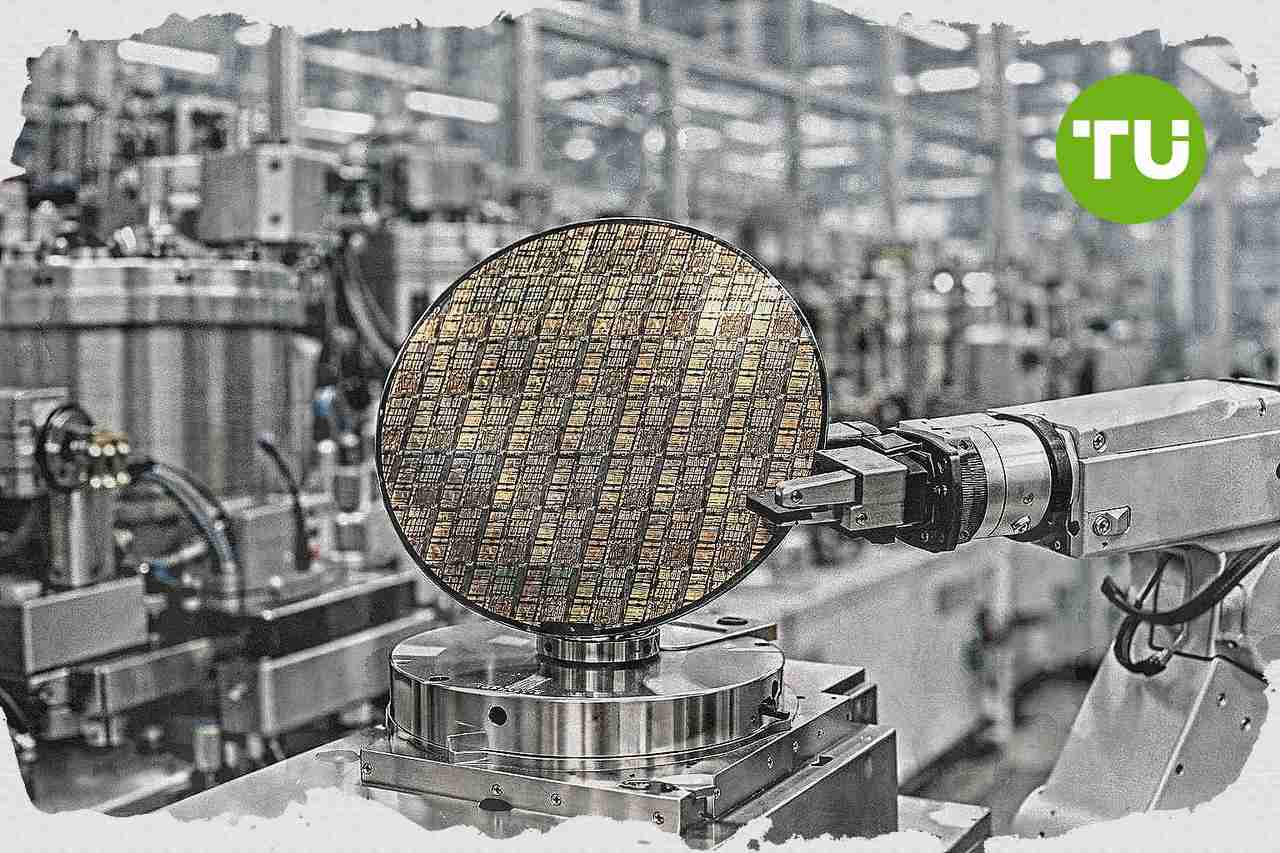
Pressure is building in Washington over memory chip supply as surging AI demand pushes up costs for consumer electronics makers. The dispute now extends from higher MacBook and iPad prices to concerns that U.S. companies could become more reliant on Chinese suppliers including blacklisted chipmaker CXMT.
Highlights
- Democratic Representative Ro Khanna alleges the Commerce Department undermined Chips and Science Act funding for Samsung, SK Hynix, and Micron, potentially worsening the U.S. memory chip shortage.
- Apple seeks clearance to buy chips from blacklisted Chinese supplier CXMT as global memory demand spikes, raising MacBook and iPad prices by 20% due to higher memory costs.
- Samsung and SK Hynix announced a $600 billion capacity expansion in South Korea, while Micron increased its U.S. investment plan to $250 billion over the next decade.
Congressional pressure over chip supply and grants
As first reported by Financial Times, Democratic Representative Ro Khanna is telling Commerce Secretary Howard Lutnick that the Trump administration is weakening efforts to expand domestic semiconductor production and may be worsening the memory chip shortage.In a letter to Lutnick, Khanna says the White House is undermining work begun under the Biden administration to use Chips and Science Act incentives to support Samsung and SK Hynix in building more manufacturing capacity in the U.S. He says recent reporting suggests the Commerce Department may have interfered with funding previously promised to the two companies, alongside U.S. group Micron, all major memory chip suppliers.
Khanna is also asking the administration to clarify whether U.S. companies will be allowed to procure memory chips from Chinese manufacturers, including CXMT, and how any economic and security risks would be managed. He warns that if U.S. and Korean producers cannot meet demand, electronics manufacturers may turn increasingly to Chinese suppliers, increasing dependence on People's Republic of China supply chains.
Micron, Samsung and SK Hynix all received approval for grants under the 2022 Chips and Science Act, which created $49 billion in incentives tied to project milestones. Trump has long criticized the law and has favored tariffs as a tool to encourage investment, while Lutnick said last year that he was reviewing grants that appeared overly generous.
AI-driven demand raises price and security concerns
Apple is lobbying for clearance to buy chips from CXMT as the AI boom drives a sharp rise in global memory demand and lifts chip prices. The company recently raised MacBook and iPad prices by about 20%, blaming higher memory costs, while Dell and HP had already increased prices earlier this year.CXMT, which the Pentagon has placed on a blacklist over alleged links to the Chinese military, denies any such connections. The designation does not prohibit Apple and other U.S. companies from buying its chips, but it increases the political risk around any procurement decision.
Republican Representative John Moolenaar, chair of the House China committee, also recently told Lutnick in a separate letter that he is alarmed Apple and other U.S. companies are trying to source memory chips from CXMT. The concern comes as major U.S. buyers consider the Chinese company as an alternative to Micron, Samsung and SK Hynix, while CXMT expands manufacturing capacity ahead of a planned public listing and a broader push into global markets.
Supply expansion plans elsewhere remain large, but they may not ease the political debate. Samsung and SK Hynix last month unveiled a $600 billion plan to increase manufacturing capacity in South Korea, while Micron raised its planned U.S. investment to $250 billion over the next decade.
Our earlier article on Washington’s broadened trade strategy beyond tariffs explained how the U.S. is increasingly using market access, technology platforms, and security commitments as leverage, raising the “price” of access through tools like investment demands and purchase agreements. It also highlighted the downside of that approach: as pressure rises, other countries accelerate efforts to build alternatives in areas such as payments and AI, increasing the risk of fragmentation and retaliation in strategic sectors.


Latest Supply Chain News






-
 Afghanistan
-
 Albania
-
 Algeria
-
 Angola
-
 Argentina
-
 Armenia
-
 Australia
-
 Austria
-
 Azerbaijan
-
 Bahamas
-
 Bahrain
-
 Bangladesh
-
 Belarus
-
 Belgium
-
 Bolivia
-
 Botswana
-
 Brazil
-
 Brunei
-
 Bulgaria
-
 Cambodia
-
 Cameroon
-
 Canada
-
 Chile
Chile
-
 China
China
-
 Colombia
-
 Congo
Congo
-
 Costa Rica
-
 Cote d'Ivoire
-
 Croatia
-
 Cuba
Cuba
-
 Cyprus
-
 Czechia
-
 DR Congo
-
 Denmark
-
 Dominican Republic
-
 Ecuador
-
 Egypt
Egypt
-
 El Salvador
-
 Estonia
-
 Eswatini
-
 Ethiopia
-
 Finland
-
 France
-
 Georgia
-
 Germany
-
 Ghana
Ghana
-
 Greece
-
 Haiti
Haiti
-
 Hong Kong
-
 Hungary
-
 India
India
-
 Indonesia
-
 Iran, Islamic republic
-
 Iraq
Iraq
-
 Ireland
-
 Israel
-
 Italy
Italy
-
 Jamaica
-
 Japan
Japan
-
 Jordan
-
 Kazakhstan
-
 Kenya
Kenya
-
 Korea
Korea
-
 Kuwait
-
 Kyrgyzstan
-
 Laos
Laos
-
 Latvia
-
 Lebanon
-
 Lesotho
-
 Libya
Libya
-
 Lithuania
-
 Luxembourg
-
 Madagascar
-
 Malaysia
-
 Malta
Malta
-
 Mauritius
-
 Mexico
-
 Moldova
-
 Mongolia
-
 Montenegro
-
 Morocco
-
 Mozambique
-
 Myanmar
-
 Namibia
-
 Nepal
Nepal
-
 Netherlands
-
 New Zealand
-
 Nigeria
-
 North Macedonia
-
 Norway
-
 Oman
Oman
-
 Pakistan
-
 Palestine
-
 Panama
-
 Papua New Guinea
-
 Paraguay
-
 Peru
Peru
-
 Philippines
-
 Poland
-
 Portugal
-
 Puerto Rico
-
 Qatar
Qatar
-
 Reunion
-
 Romania
-
 Rwanda
-
 Saudi Arabia
-
 Serbia
-
 Singapore
-
 Slovakia
-
 Slovenia
-
 Somalia
-
 South Africa
-
 Spain
Spain
-
 Sri Lanka
-
 Sweden
-
 Switzerland
-
 Syria
Syria
-
 Taiwan
-
 Tajikistan
-
 Tanzania
-
 Thailand
-
 Trinidad and Tobago
-
 Tunisia
-
 Turkey
-
 UAE
UAE
-
 Uganda
-
 Ukraine
-
 United Kingdom
-
United States
-
 Uruguay
-
 Uzbekistan
-
 Venezuela
-
 Vietnam
-
 Yemen
Yemen
-
 Zambia
-
 Zimbabwe
- Forex
- Crypto












