

Dhaka garment factories face vandalism amid wage protest disruption

Garment workers in Dhaka's Mirpur area are continuing protests over a demand for a Tk30,000 minimum monthly wage, with unrest now affecting factory operations and transport movement. Two ready-made garment factories in Mirpur-2 are attacked and damaged on Sunday morning as police also move to disperse workers marching toward Mirpur-10.
Highlights
- At around 10:30am, protesters attack Sirajganj Fashion Ltd and Deshone Apparels in Mirpur-2, damaging property and disrupting operations during wage protests.
- More than 100 outsiders vandalize Sirajganj Fashion Ltd, damaging the reception, CCTV monitors, furniture, glass panels, and digital attendance machines while workers are present.
- Authorities report garment workers stage repeated marches and clashes with police in Mirpur on the same day, escalating industry security and operational risks amid unresolved wage demands.
Factory attacks disrupt Mirpur operations
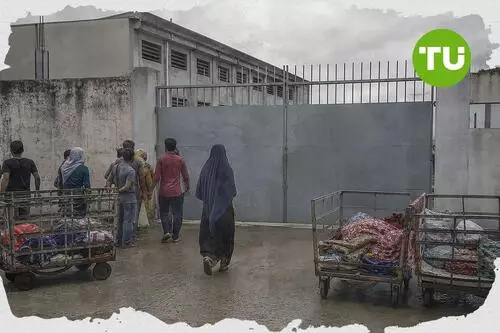
As reported by The Business Standard, the attacks take place at around 10:30am at Sirajganj Fashion Ltd and Deshone Apparels in Borobagh, Mirpur-2, as some factories remain open during the ongoing wage movement.Samiruddin Nawshad, human resources officer at Deshone Apparels, says protesters gather outside the factory and throw bricks and stones. He says workers inside the factory come downstairs to protect the premises and confront the group, which then moves toward neighbouring Sirajganj Fashion Ltd.
Mohammad Jahangir Hossain, chief executive officer of Deshone Apparels, says those who come to the factory are not workers. He says the factory stays open to meet shipment deadlines and pay workers on time, adding that operations resume after the group leaves.
At Sirajganj Fashion, the group vandalises the reception area and damages CCTV monitors, furniture, glass panels and digital attendance machines used by workers. Mohammad Moazzem Hossain, security supervisor at the factory, says around 100 to 150 people attack the premises, while chief human resources officer Sirajul Islam says more than 100 outsiders enter the factory and continue causing damage while workers are on duty.
Wage pressure raises security and industry concerns
Earlier in the morning, garment workers march from Mirpur-2 and Mirpur-14 toward Mirpur-10, before police disperse them by chasing them and firing tear gas. The clashes show how the wage dispute is extending beyond demonstrations into operational and security risks for manufacturers in one of Bangladesh's key garment hubs.Speaking to journalists in the afternoon, Mirpur Division Deputy Commissioner Hasan Mohammad Naser Rikabdar says workers attempt to take to the streets twice during the day and are dispersed peacefully. At around 12:30pm, DMP Joint Commissioner Mahidul Islam, responsible for Crime and Operations in the northern division, says a wage board is formed on 1 November and work on the workers' demands is under way, while questioning the need for further road blockades, vehicle vandalism or attacks on factories.
In our earlier report, we examined the World Trade Organization’s warning that wars and repeated disruptions are reshaping global trade and prompting companies to redesign supply chains and shipping routes for greater resilience. The piece highlighted forecasts of weaker Middle East trade flows and noted that many firms are accepting higher costs to reduce exposure to future shocks—an approach that underscores how instability can quickly spill into day-to-day business operations.






Latest Bangladesh News


-
 Afghanistan
-
 Albania
-
 Algeria
-
 Angola
-
 Argentina
-
 Armenia
-
 Australia
-
 Austria
-
 Azerbaijan
-
 Bahamas
-
 Bahrain
-
 Bangladesh
-
 Belarus
-
 Belgium
-
 Bolivia
-
 Botswana
-
 Brazil
-
 Brunei
-
 Bulgaria
-
 Cambodia
-
 Cameroon
-
 Canada
-
 Chile
-
 China
-
 Colombia
-
 Congo
-
 Costa Rica
-
 Cote d'Ivoire
-
 Croatia
-
 Cuba
-
 Cyprus
-
 Czechia
-
 DR Congo
-
 Denmark
-
 Dominican Republic
-
 Ecuador
-
 Egypt
-
 El Salvador
-
 Estonia
-
 Eswatini
-
 Ethiopia
-
 Finland
-
 France
-
 Georgia
-
 Germany
-
 Ghana
-
 Greece
-
 Haiti
-
 Hong Kong
-
 Hungary
-
 India
-
 Indonesia
-
 Iran, Islamic republic
-
 Iraq
-
 Ireland
-
 Israel
-
 Italy
-
 Jamaica
-
 Japan
-
 Jordan
-
 Kazakhstan
-
 Kenya
-
 Korea
-
 Kuwait
-
 Kyrgyzstan
-
 Laos
-
 Latvia
-
 Lebanon
-
 Lesotho
-
 Libya
-
 Lithuania
-
 Luxembourg
-
 Madagascar
-
 Malaysia
-
 Malta
-
 Mauritius
-
 Mexico
-
 Moldova
-
 Mongolia
-
 Montenegro
-
 Morocco
-
 Mozambique
-
 Myanmar
-
 Namibia
-
 Nepal
-
 Netherlands
-
 New Zealand
-
 Nigeria
-
 North Macedonia
-
 Norway
-
 Oman
-
 Pakistan
-
 Palestine
-
 Panama
-
 Papua New Guinea
-
 Paraguay
-
 Peru
-
 Philippines
-
 Poland
-
 Portugal
-
 Puerto Rico
-
 Qatar
-
 Reunion
-
 Romania
-
 Rwanda
-
 Saudi Arabia
-
 Serbia
-
 Singapore
-
 Slovakia
-
 Slovenia
-
 Somalia
-
 South Africa
-
 Spain
-
 Sri Lanka
-
 Sweden
-
 Switzerland
-
 Syria
-
 Taiwan
-
 Tajikistan
-
 Tanzania
-
 Thailand
-
 Trinidad and Tobago
-
 Tunisia
-
 Turkey
-
 UAE
-
 Uganda
-
 Ukraine
-
 United Kingdom
-
United States
-
 Uruguay
-
 Uzbekistan
-
 Venezuela
-
 Vietnam
-
 Yemen
-
 Zambia
-
 Zimbabwe
- Forex
- Crypto












