

Wall Street attempts to recover from a massive selloff

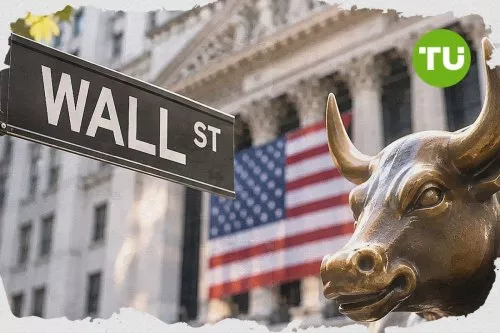
The U.S. stock market is showing signs of recovery following a massive selloff that wiped approximately $3 trillion off the market capitalization of S&P 500 companies. Investors have begun buying beaten-down technology stocks, although concerns about the future of the artificial intelligence (AI) industry persist.
According to Bloomberg, on Friday, November 6, S&P 500 futures were little changed after the index suffered its biggest one-day decline in more than a year. Meanwhile, Nasdaq 100 futures rose 1.4%, partially offsetting the index's 6.4% plunge on Thursday.
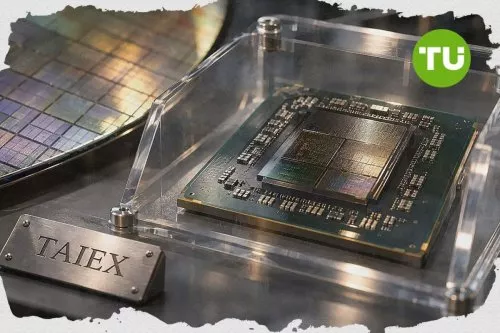
The recovery was particularly noticeable among semiconductor companies. An exchange-traded fund (ETF) tracking the U.S. chip sector gained 5% in early trading. Nvidia shares climbed 4.1%, while data center operator IREN surged 16% after reporting rapid growth in AI cloud revenue.
At the same time, Microsoft and Apple shares remained under pressure. Analysts note that investors are willing to selectively buy stocks following such a sharp decline but remain reluctant to significantly increase their exposure to risk.
The impact of the selloff continues to be felt
The massive selloff was triggered by the results of the U.S. midterm elections, which saw the Democrats emerge victorious. Investors fear that tighter regulation and restrictions on data center construction could slow the development of the AI industry.
Since the beginning of the week, a key U.S. semiconductor index has lost approximately 16%, marking its sharpest decline since March 2020.
Negative sentiment has also spread to other markets. Asian stock indices fell nearly 4%, while Europe's Stoxx 600 declined 1.7%. The U.S. dollar strengthened against major global currencies, while Brent crude prices fluctuated between modest gains and losses.
Problems at major hedge funds are adding further pressure to financial markets. In October, Walleye Capital recorded its worst monthly performance since March 2020 and began returning some capital to investors. Kirkoswald Asset Management suffered its worst monthly decline on record, while credit fund Arini Capital Management lost more than 12%.
Experts believe the selloff may have been amplified by automated trading strategies and widespread position liquidations. According to Manish Singh of Crossbridge Capital, many stocks had already been under pressure before the elections, and the subsequent decline triggered a chain reaction of selling.
Investors await new U.S. economic data
The next major event for financial markets will be the release of the November U.S. employment report. The data will help investors assess the state of the American economy and the outlook for future Federal Reserve decisions.
Bloomberg Economics forecasts that nonfarm payrolls will increase by just 26,000 jobs, while the unemployment rate will remain around 4.2%. Analysts believe these figures would not prevent the Fed from continuing toward an interest rate hike in December.
Francisco Simon of Santander Asset Management believes that a strong employment report could help ease investor concerns by confirming the resilience of the U.S. economy. However, market participants are likely to remain focused primarily on the outlook for AI companies and restrictions on data center construction.
Despite the first signs of recovery, the stock market remains volatile. Investors must assess how new political risks could affect the profitability of technology giants and whether massive investments in artificial intelligence can be justified.
As a reminder, the U.S. elections also triggered a sharp decline in Bitcoin's price.






Latest Stocks News



-
 Afghanistan
-
 Albania
-
 Algeria
-
 Angola
-
 Argentina
-
 Armenia
-
 Australia
-
 Austria
-
 Azerbaijan
-
 Bahamas
-
 Bahrain
-
 Bangladesh
-
 Belarus
-
 Belgium
-
 Bolivia
-
 Botswana
-
 Brazil
-
 Brunei
-
 Bulgaria
-
 Cambodia
-
 Cameroon
-
 Canada
-
 Chile
-
 China
-
 Colombia
-
 Congo
-
 Costa Rica
-
 Cote d'Ivoire
-
 Croatia
-
 Cuba
-
 Cyprus
-
 Czechia
-
 DR Congo
-
 Denmark
-
 Dominican Republic
-
 Ecuador
-
 Egypt
-
 El Salvador
-
 Estonia
-
 Eswatini
-
 Ethiopia
-
 Finland
-
 France
-
 Georgia
-
 Germany
-
 Ghana
-
 Greece
-
 Haiti
-
 Hong Kong
-
 Hungary
-
 India
-
 Indonesia
-
 Iran, Islamic republic
-
 Iraq
-
 Ireland
-
 Israel
-
 Italy
-
 Jamaica
-
 Japan
-
 Jordan
-
 Kazakhstan
-
 Kenya
-
 Korea
-
 Kuwait
-
 Kyrgyzstan
-
 Laos
-
 Latvia
-
 Lebanon
-
 Lesotho
-
 Libya
-
 Lithuania
-
 Luxembourg
-
 Madagascar
-
 Malaysia
-
 Malta
-
 Mauritius
-
 Mexico
-
 Moldova
-
 Mongolia
-
 Montenegro
-
 Morocco
-
 Mozambique
-
 Myanmar
-
 Namibia
-
 Nepal
-
 Netherlands
-
 New Zealand
-
 Nigeria
-
 North Macedonia
-
 Norway
-
 Oman
-
 Pakistan
-
 Palestine
-
 Panama
-
 Papua New Guinea
-
 Paraguay
-
 Peru
-
 Philippines
-
 Poland
-
 Portugal
-
 Puerto Rico
-
 Qatar
-
 Reunion
-
 Romania
-
 Rwanda
-
 Saudi Arabia
-
 Serbia
-
 Singapore
-
 Slovakia
-
 Slovenia
-
 Somalia
-
 South Africa
-
 Spain
-
 Sri Lanka
-
 Sweden
-
 Switzerland
-
 Syria
-
 Taiwan
-
 Tajikistan
-
 Tanzania
-
 Thailand
-
 Trinidad and Tobago
-
 Tunisia
-
 Turkey
-
 UAE
-
 Uganda
-
 Ukraine
-
 United Kingdom
-
United States
-
 Uruguay
-
 Uzbekistan
-
 Venezuela
-
 Vietnam
-
 Yemen
-
 Zambia
-
 Zimbabwe
- Forex
- Crypto












