

Philippines pushes shift to predictive farm technology as climate risks intensify

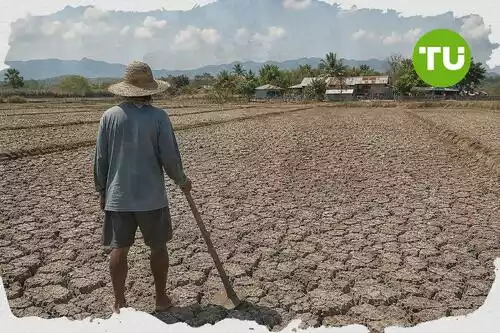
Mindanao's farm-dependent economy is facing mounting pressure from extreme weather, prompting a stronger call for science-led production tools across the Philippines. The Department of Science and Technology says technologies such as artificial intelligence, remote sensing and automated irrigation can help farmers and fisherfolk better prepare for climate shocks.
Highlights
- SOCCSKSARGEN generated P127 billion in agricultural and fisheries production value in 2025, with 39.4% of its 2.06 million employed people working in agriculture.
- The Department of Science and Technology is deploying the SINAG program using satellite and drone technologies to monitor crops, track droughts, and inform production decisions.
- SARAI-CenTRO provides localized weather forecasts, drought advisories, and crop management data across 17 regions, aiming to boost climate resilience and productivity.
Technology push highlighted at science week
As reported by BusinessWorld Online, the Department of Science and Technology is urging the agricultural sector to move away from traditional reactive practices and adopt science-based, predictive methods as extreme climate conditions weigh on output and livelihoods.Speaking on the third day of the 2026 National Science and Technology Week in General Santos City, Julius Caesar V. Sicat, regional director of DoST-Central Luzon and program leader of DoST Smart Agriculture, says agriculture remains central to Mindanao's economy and employment base. He says SOCCSKSARGEN generated P127 billion in agricultural and fisheries production value in 2025, citing Philippine Statistics Authority data.
Sicat says the country must harness artificial intelligence, remote sensing, smart sensors, automated irrigation, climate information services, data analytics, biotechnology and precision agriculture to improve farm decision-making. He adds that while climate cannot be controlled, farmers and fisherfolk can be equipped with science, technology and innovation to better anticipate, withstand and recover from its effects.
Programs target climate resilience and farm productivity
DoST says increasingly severe weather threats, including the prevailing very strong El Niño, are affecting crop production, livestock, aquaculture and fisheries, making predictive agriculture more urgent. PSA data cited at the event show that around 812,000 of SOCCSKSARGEN's 2.06 million employed people in 2025, or 39.4%, work in agriculture.To support the transition, the agency is implementing the DoST Smart and Innovative Agriculture Program, or SINAG, which uses satellite- and drone-based technologies to monitor crop conditions, track drought trends and provide farmers with data for production decisions.
It is also running the Smarter Approaches to Reinvigorate Agriculture as an Industry in the Philippines, or SARAI, through its Center for Technology Outreach. According to Moises A. Dorado, project leader of SARAI-CenTRO, the program provides localized weather forecasts, drought advisories and crop management information and is now being implemented across 17 regions in the country.
Earlier, we looked at Philippine MSMEs digitization as the DoST urged firms to fix bottlenecks before adopting Industry 4.0 tools.






Latest Agribusiness News




-
 Afghanistan
-
 Albania
-
 Algeria
-
 Angola
-
 Argentina
-
 Armenia
-
 Australia
-
 Austria
-
 Azerbaijan
-
 Bahamas
-
 Bahrain
-
 Bangladesh
-
 Belarus
-
 Belgium
-
 Bolivia
-
 Botswana
-
 Brazil
-
 Brunei
-
 Bulgaria
-
 Cambodia
-
 Cameroon
-
 Canada
-
 Chile
-
 China
-
 Colombia
-
 Congo
-
 Costa Rica
-
 Cote d'Ivoire
-
 Croatia
-
 Cuba
-
 Cyprus
-
 Czechia
-
 DR Congo
-
 Denmark
-
 Dominican Republic
-
 Ecuador
-
 Egypt
-
 El Salvador
-
 Estonia
-
 Eswatini
-
 Ethiopia
-
 Finland
-
 France
-
 Georgia
-
 Germany
-
 Ghana
-
 Greece
-
 Haiti
-
 Hong Kong
-
 Hungary
-
 India
-
 Indonesia
-
 Iran, Islamic republic
-
 Iraq
-
 Ireland
-
 Israel
-
 Italy
-
 Jamaica
-
 Japan
-
 Jordan
-
 Kazakhstan
-
 Kenya
-
 Korea
-
 Kuwait
-
 Kyrgyzstan
-
 Laos
-
 Latvia
-
 Lebanon
-
 Lesotho
-
 Libya
-
 Lithuania
-
 Luxembourg
-
 Madagascar
-
 Malaysia
-
 Malta
-
 Mauritius
-
 Mexico
-
 Moldova
-
 Mongolia
-
 Montenegro
-
 Morocco
-
 Mozambique
-
 Myanmar
-
 Namibia
-
 Nepal
-
 Netherlands
-
 New Zealand
-
 Nigeria
-
 North Macedonia
-
 Norway
-
 Oman
-
 Pakistan
-
 Palestine
-
 Panama
-
 Papua New Guinea
-
 Paraguay
-
 Peru
-
 Philippines
-
 Poland
-
 Portugal
-
 Puerto Rico
-
 Qatar
-
 Reunion
-
 Romania
-
 Rwanda
-
 Saudi Arabia
-
 Serbia
-
 Singapore
-
 Slovakia
-
 Slovenia
-
 Somalia
-
 South Africa
-
 Spain
-
 Sri Lanka
-
 Sweden
-
 Switzerland
-
 Syria
-
 Taiwan
-
 Tajikistan
-
 Tanzania
-
 Thailand
-
 Trinidad and Tobago
-
 Tunisia
-
 Turkey
-
 UAE
-
 Uganda
-
 Ukraine
-
 United Kingdom
-
United States
-
 Uruguay
-
 Uzbekistan
-
 Venezuela
-
 Vietnam
-
 Yemen
-
 Zambia
-
 Zimbabwe
- Forex
- Crypto












