
Bank of Canada signals policy steps as inflation pressures persist
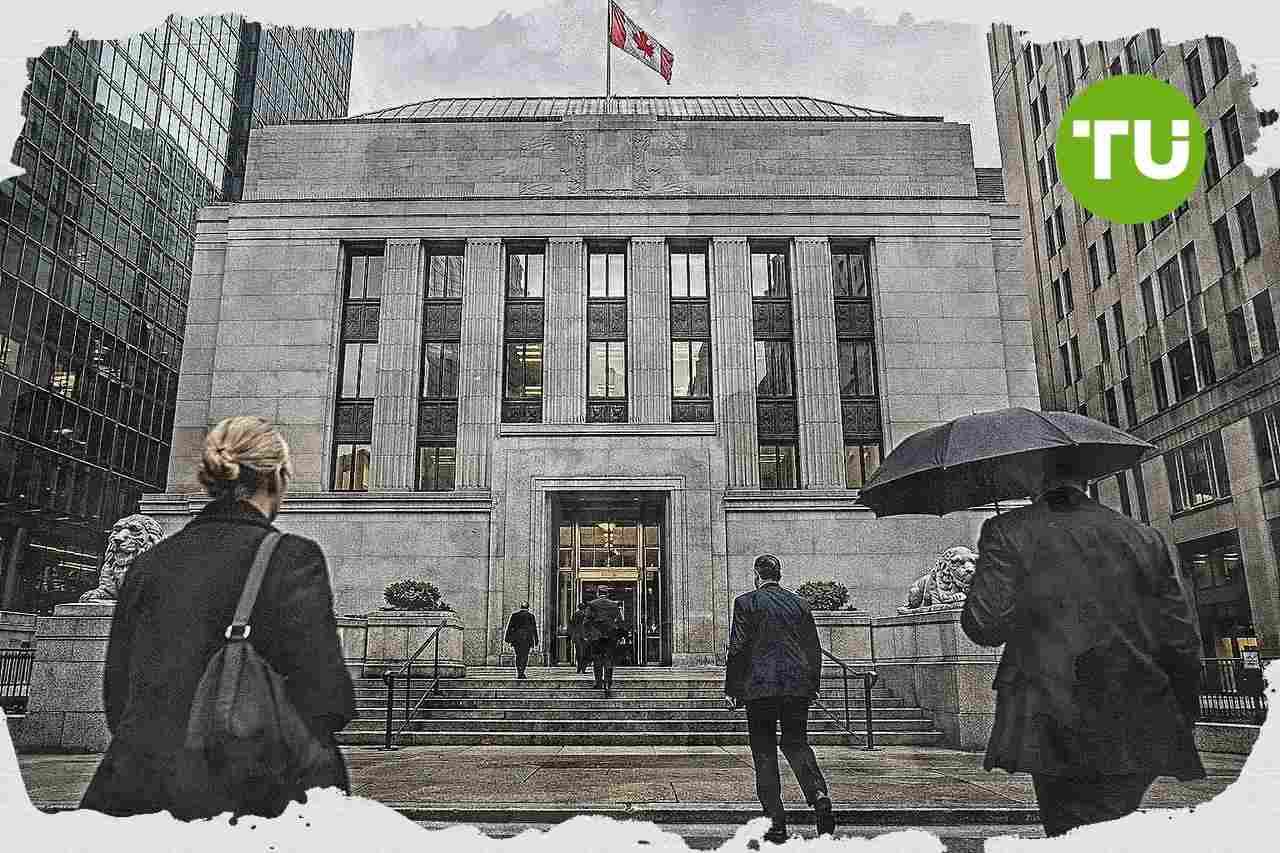
Canada's central bank is outlining new measures as consumer prices fluctuate and pressure builds on monetary policy. The plan includes closer monitoring of economic indicators, possible interest rate adjustments and targeted support for businesses still affected by the pandemic.
Highlights
- Bank of Canada signals potential interest rate adjustments in response to persistent consumer price increases impacting inflation risk.
- Governor Tiff Macklem confirms the central bank will closely track economic data and alter policy if needed to preserve purchasing power and stability.
- The Bank is rolling out financial programs for pandemic-affected businesses as part of broader efforts to reinforce the economy amid global uncertainty.
Policy response to inflation and growth risks
As reported by the Bank of Canada, the central bank is taking measures to address ongoing economic challenges while seeking to maintain stable growth and support the financial system. Recent reports show a rise in consumer prices, fueling discussion over whether interest rate adjustments may be needed.Governor Tiff Macklem says the bank will closely monitor economic indicators and adjust policy as necessary to promote economic stability. He adds that the institution is focused on helping Canadians preserve purchasing power without causing severe economic disruption.
Business support and broader economic impact
Alongside its policy stance, the Bank of Canada is implementing financial programs aimed at supporting businesses that are particularly affected by the pandemic. The initiatives form part of a broader strategy to strengthen the economy and soften the impact of global economic downturns.The measures highlight the bank's dual focus on inflation management and financial stability as households and companies navigate uneven economic conditions. For businesses and consumers, any future policy shift could influence borrowing costs, spending patterns and the pace of economic recovery.
In our earlier coverage of falling long-term inflation expectations in the U.S., we noted that investors marked down 10-year break-evens as the Federal Reserve signaled a more hawkish stance and oil prices retreated. We also highlighted that, despite inflation still running above target, markets began pricing in at least one rate hike this year, reflecting how policy credibility and shifting energy risks can move expectations even before official decisions are taken.


Latest Canada News





-
 Afghanistan
-
 Albania
-
 Algeria
-
 Angola
-
 Argentina
-
 Armenia
-
 Australia
-
 Austria
-
 Azerbaijan
-
 Bahamas
-
 Bahrain
-
 Bangladesh
-
 Belarus
-
 Belgium
-
 Bolivia
-
 Botswana
-
 Brazil
-
 Brunei
-
 Bulgaria
-
 Cambodia
-
 Cameroon
-
 Canada
-
 Chile
Chile
-
 China
China
-
 Colombia
-
 Congo
Congo
-
 Costa Rica
-
 Cote d'Ivoire
-
 Croatia
-
 Cuba
Cuba
-
 Cyprus
-
 Czechia
-
 DR Congo
-
 Denmark
-
 Dominican Republic
-
 Ecuador
-
 Egypt
Egypt
-
 El Salvador
-
 Estonia
-
 Eswatini
-
 Ethiopia
-
 Finland
-
 France
-
 Georgia
-
 Germany
-
 Ghana
Ghana
-
 Greece
-
 Haiti
Haiti
-
 Hong Kong
-
 Hungary
-
 India
India
-
 Indonesia
-
 Iran, Islamic republic
-
 Iraq
Iraq
-
 Ireland
-
 Israel
-
 Italy
Italy
-
 Jamaica
-
 Japan
Japan
-
 Jordan
-
 Kazakhstan
-
 Kenya
Kenya
-
 Korea
Korea
-
 Kuwait
-
 Kyrgyzstan
-
 Laos
Laos
-
 Latvia
-
 Lebanon
-
 Lesotho
-
 Libya
Libya
-
 Lithuania
-
 Luxembourg
-
 Madagascar
-
 Malaysia
-
 Malta
Malta
-
 Mauritius
-
 Mexico
-
 Moldova
-
 Mongolia
-
 Montenegro
-
 Morocco
-
 Mozambique
-
 Myanmar
-
 Namibia
-
 Nepal
Nepal
-
 Netherlands
-
 New Zealand
-
 Nigeria
-
 North Macedonia
-
 Norway
-
 Oman
Oman
-
 Pakistan
-
 Palestine
-
 Panama
-
 Papua New Guinea
-
 Paraguay
-
 Peru
Peru
-
 Philippines
-
 Poland
-
 Portugal
-
 Puerto Rico
-
 Qatar
Qatar
-
 Reunion
-
 Romania
-
 Rwanda
-
 Saudi Arabia
-
 Serbia
-
 Singapore
-
 Slovakia
-
 Slovenia
-
 Somalia
-
 South Africa
-
 Spain
Spain
-
 Sri Lanka
-
 Sweden
-
 Switzerland
-
 Syria
Syria
-
 Taiwan
-
 Tajikistan
-
 Tanzania
-
 Thailand
-
 Trinidad and Tobago
-
 Tunisia
-
 Turkey
-
 UAE
UAE
-
 Uganda
-
 Ukraine
-
 United Kingdom
-
United States
-
 Uruguay
-
 Uzbekistan
-
 Venezuela
-
 Vietnam
-
 Yemen
Yemen
-
 Zambia
-
 Zimbabwe
- Forex
- Crypto











