
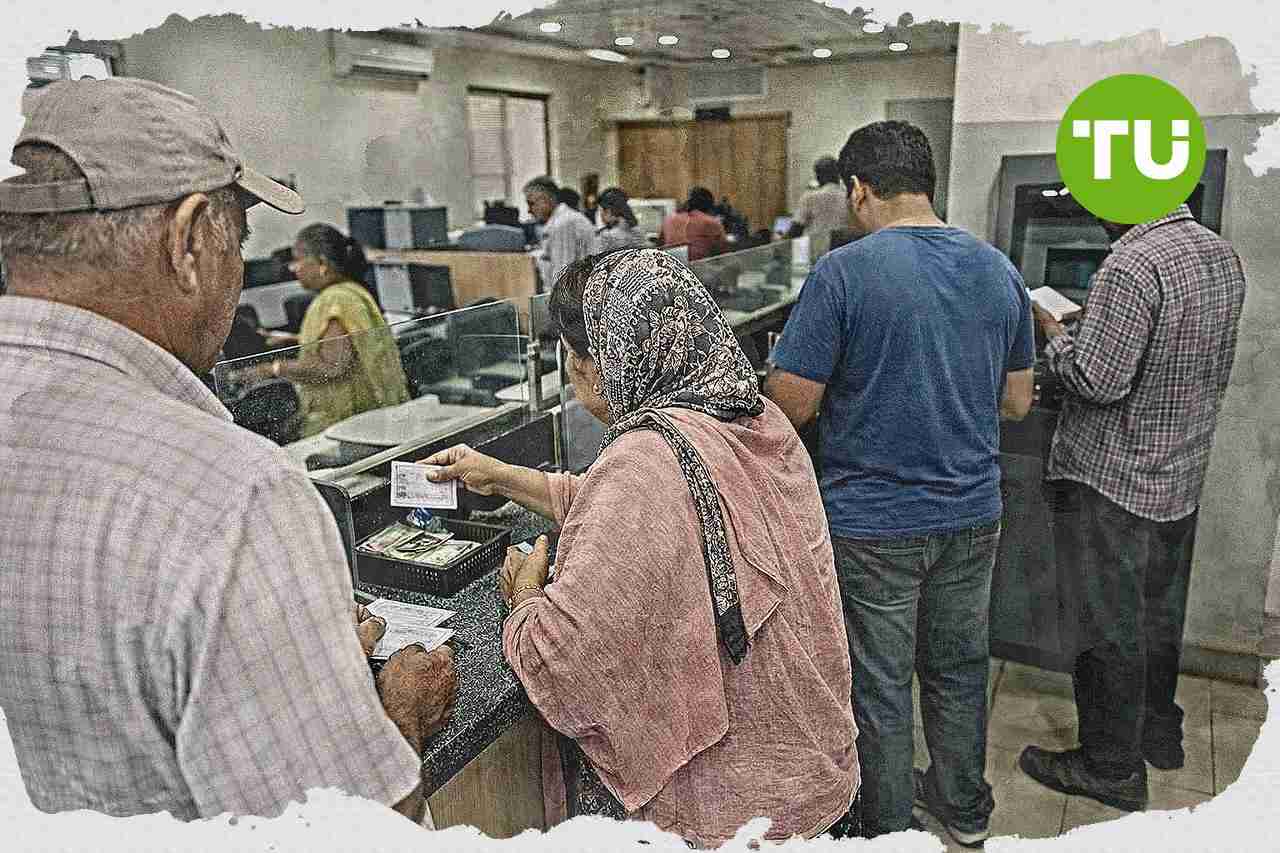
India's Financial Inclusion Index, which measures the reach and usage of banking and financial services across the country, reached 70.0 in March 2026. This level is above 67.0 in March 2025, with growth recorded across all sub-indices.
Highlights
- According to the Reserve Bank of India, the FI-Index value for March 2026 stood at 70.0, compared to 67.0 in March 2025.
- The main reason for the FI-Index increase this year was the surge in usage, which has deepened financial inclusion.
- Improvements across all sub-indices reflect the rapid expansion and usage of banking, payments, and financial services.
This article was translated from the original. Read the original version by our correspondent here.
Usage-driven growth in the March 2026 Index
According to the website of the Reserve Bank of India, the comprehensive FI-Index, designed to capture the extent of financial inclusion, has been compiled for March 2026. The central bank developed this index in consultation with relevant stakeholders, including the government, and published it for the first time in August 2021 for the financial year ending March 2021.The FI-Index value for March 2026 is 70.0, compared to 67.0 in March 2025. According to the Reserve Bank of India, this year's improvement in the index is mainly due to a surge in usage, indicating deeper financial inclusion.
Sign of expanding banking access
The increase across all sub-indices indicates that the availability, reach, and usage of financial services are broadening. The strength in usage within the index also shows that there is growth not just in account openings but in the actual use of services.This trend points to continued improvement in the penetration of banking, payments, and other formal financial services. Such progress becomes an important indicator for policymakers and financial sector institutions to measure both the quality and depth of inclusion.
Our previous report discussed the trial Index of Services Production (ISP) data for April 2026, which showed double-digit growth in 14 out of 19 sub-sectors and highlighted the strong role of activities such as housing and food services, retail trade, and administrative support. The article also noted that this index, based on GST returns and various administrative data including transport, is a high-frequency indicator of the monthly pace of the formal services economy, although health-education and some informal/non-market activities are not yet fully covered.


Latest Reserve Bank of India News







-
 Afghanistan
-
 Albania
-
 Algeria
-
 Angola
-
 Argentina
-
 Armenia
-
 Australia
-
 Austria
-
 Azerbaijan
-
 Bahamas
-
 Bahrain
-
 Bangladesh
-
 Belarus
-
 Belgium
-
 Bolivia
-
 Botswana
-
 Brazil
-
 Brunei
-
 Bulgaria
-
 Cambodia
-
 Cameroon
-
 Canada
-
 Chile
Chile
-
 China
China
-
 Colombia
-
 Congo
Congo
-
 Costa Rica
-
 Cote d'Ivoire
-
 Croatia
-
 Cuba
Cuba
-
 Cyprus
-
 Czechia
-
 DR Congo
-
 Denmark
-
 Dominican Republic
-
 Ecuador
-
 Egypt
Egypt
-
 El Salvador
-
 Estonia
-
 Eswatini
-
 Ethiopia
-
 Finland
-
 France
-
 Georgia
-
 Germany
-
 Ghana
Ghana
-
 Greece
-
 Haiti
Haiti
-
 Hong Kong
-
 Hungary
-
 India
India
-
 Indonesia
-
 Iran, Islamic republic
-
 Iraq
Iraq
-
 Ireland
-
 Israel
-
 Italy
Italy
-
 Jamaica
-
 Japan
Japan
-
 Jordan
-
 Kazakhstan
-
 Kenya
Kenya
-
 Korea
Korea
-
 Kuwait
-
 Kyrgyzstan
-
 Laos
Laos
-
 Latvia
-
 Lebanon
-
 Lesotho
-
 Libya
Libya
-
 Lithuania
-
 Luxembourg
-
 Madagascar
-
 Malaysia
-
 Malta
Malta
-
 Mauritius
-
 Mexico
-
 Moldova
-
 Mongolia
-
 Montenegro
-
 Morocco
-
 Mozambique
-
 Myanmar
-
 Namibia
-
 Nepal
Nepal
-
 Netherlands
-
 New Zealand
-
 Nigeria
-
 North Macedonia
-
 Norway
-
 Oman
Oman
-
 Pakistan
-
 Palestine
-
 Panama
-
 Papua New Guinea
-
 Paraguay
-
 Peru
Peru
-
 Philippines
-
 Poland
-
 Portugal
-
 Puerto Rico
-
 Qatar
Qatar
-
 Reunion
-
 Romania
-
 Rwanda
-
 Saudi Arabia
-
 Serbia
-
 Singapore
-
 Slovakia
-
 Slovenia
-
 Somalia
-
 South Africa
-
 Spain
Spain
-
 Sri Lanka
-
 Sweden
-
 Switzerland
-
 Syria
Syria
-
 Taiwan
-
 Tajikistan
-
 Tanzania
-
 Thailand
-
 Trinidad and Tobago
-
 Tunisia
-
 Turkey
-
 UAE
UAE
-
 Uganda
-
 Ukraine
-
 United Kingdom
-
United States
-
 Uruguay
-
 Uzbekistan
-
 Venezuela
-
 Vietnam
-
 Yemen
Yemen
-
 Zambia
-
 Zimbabwe
- Forex
- Crypto











