
U.S.-Iran conflict widens as Hormuz shipping traffic falls

The confrontation between the United States and Iran moved into a more dangerous phase after Washington expanded its naval campaign and struck an oil tanker near Iran’s main export terminal. Shipping through the Strait of Hormuz is falling, raising the risk that the conflict will spill further into global energy markets.
Highlights
- The U.S. struck a tanker near Iran’s Kharg Island terminal.
- Hormuz oil flows fell to 3.9 million barrels a day.
- Iran fired on U.S. bases in Kuwait and Jordan.
- Brent stayed near $85 after rising sharply this week.
The U.S. hit a Curacao-flagged tanker near Kharg Island after saying the vessel ignored warnings while moving toward an Iranian port, Bloomberg reported. The strike was the first U.S. attack on a vessel since the blockade of Iranian ports was restored, adding to a week of strikes on Iranian military sites and retaliation by Tehran.
Hormuz becomes the center of the conflict
The Strait of Hormuz has become the main pressure point in the war because it is a key route for oil and liquefied natural gas exports from Saudi Arabia, Iraq, Qatar, and Iran. The U.S. says Iran has been threatening vessels moving through the waterway. Tehran says ships must follow its rules before passing through.
Iran responded to the latest U.S. strikes by firing on American bases in Kuwait and Jordan. Jordan said it intercepted eight missiles. The exchange has weakened an already fragile memorandum of understanding that was meant to reopen the strait after an earlier phase of the conflict.
Washington has also reimposed a blockade on Iranian ports and ended a waiver on oil sanctions. U.S. Vice President JD Vance described the strategy as a mix of military pressure, economic measures, and negotiations, while ruling out a large ground deployment aimed at regime change.
Shipping volumes keep dropping
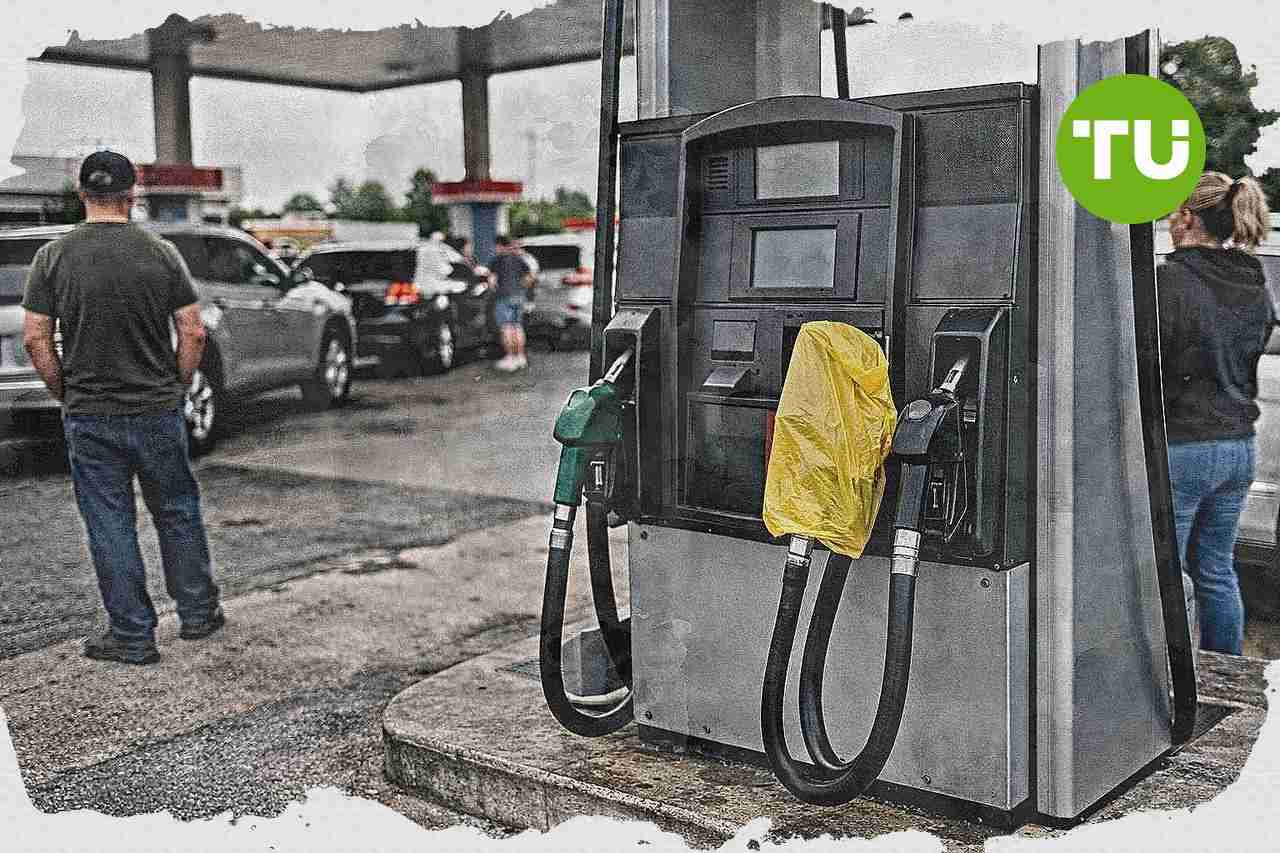
The U.S. military said it assisted more than 10 vessels through the strait overnight. Even so, traffic has fallen sharply. RBC Capital Markets estimated that the seven-day average of oil flows through Hormuz dropped to 3.9 million barrels a day from 4.6 million.
That decline shows the practical cost of the conflict. Even when shipping lanes are not fully closed, the threat of mines, missiles, drones, and possible fees can keep tankers away or raise costs for insurers and operators.
Brent crude dipped slightly Thursday but remained near $85 a barrel. It is still up about 11% for the week, reflecting concern that any further disruption could tighten supply quickly.
Energy markets face a wider shock
The risk is no longer limited to military sites. U.S. officials have warned that infrastructure could become a target if Iran keeps Hormuz closed, while Iranian officials have threatened regional infrastructure in response.
That raises the stakes for global energy buyers. Hormuz is central to Gulf exports, and a prolonged disruption would affect crude, LNG, shipping insurance, and inflation. The conflict is also becoming harder to contain diplomatically as both sides accuse the other of violating the interim deal.
Earlier, we reported that Iran warns of wider seaway blockade as U.S. renews pressure.







-
 Afghanistan
-
 Albania
-
 Algeria
-
 Angola
-
 Argentina
-
 Armenia
-
 Australia
-
 Austria
-
 Azerbaijan
-
 Bahamas
-
 Bahrain
-
 Bangladesh
-
 Belarus
-
 Belgium
-
 Bolivia
-
 Botswana
-
 Brazil
-
 Brunei
-
 Bulgaria
-
 Cambodia
-
 Cameroon
-
 Canada
-
 Chile
Chile
-
 China
China
-
 Colombia
-
 Congo
Congo
-
 Costa Rica
-
 Cote d'Ivoire
-
 Croatia
-
 Cuba
Cuba
-
 Cyprus
-
 Czechia
-
 DR Congo
-
 Denmark
-
 Dominican Republic
-
 Ecuador
-
 Egypt
Egypt
-
 El Salvador
-
 Estonia
-
 Eswatini
-
 Ethiopia
-
 Finland
-
 France
-
 Georgia
-
 Germany
-
 Ghana
Ghana
-
 Greece
-
 Haiti
Haiti
-
 Hong Kong
-
 Hungary
-
 India
India
-
 Indonesia
-
 Iran, Islamic republic
-
 Iraq
Iraq
-
 Ireland
-
 Israel
-
 Italy
Italy
-
 Jamaica
-
 Japan
Japan
-
 Jordan
-
 Kazakhstan
-
 Kenya
Kenya
-
 Korea
Korea
-
 Kuwait
-
 Kyrgyzstan
-
 Laos
Laos
-
 Latvia
-
 Lebanon
-
 Lesotho
-
 Libya
Libya
-
 Lithuania
-
 Luxembourg
-
 Madagascar
-
 Malaysia
-
 Malta
Malta
-
 Mauritius
-
 Mexico
-
 Moldova
-
 Mongolia
-
 Montenegro
-
 Morocco
-
 Mozambique
-
 Myanmar
-
 Namibia
-
 Nepal
Nepal
-
 Netherlands
-
 New Zealand
-
 Nigeria
-
 North Macedonia
-
 Norway
-
 Oman
Oman
-
 Pakistan
-
 Palestine
-
 Panama
-
 Papua New Guinea
-
 Paraguay
-
 Peru
Peru
-
 Philippines
-
 Poland
-
 Portugal
-
 Puerto Rico
-
 Qatar
Qatar
-
 Reunion
-
 Romania
-
 Rwanda
-
 Saudi Arabia
-
 Serbia
-
 Singapore
-
 Slovakia
-
 Slovenia
-
 Somalia
-
 South Africa
-
 Spain
Spain
-
 Sri Lanka
-
 Sweden
-
 Switzerland
-
 Syria
Syria
-
 Taiwan
-
 Tajikistan
-
 Tanzania
-
 Thailand
-
 Trinidad and Tobago
-
 Tunisia
-
 Turkey
-
 UAE
UAE
-
 Uganda
-
 Ukraine
-
 United Kingdom
-
United States
-
 Uruguay
-
 Uzbekistan
-
 Venezuela
-
 Vietnam
-
 Yemen
Yemen
-
 Zambia
-
 Zimbabwe
- Forex
- Crypto











