

RBA holds rates at 4.35% as inflation risks keep policy tight

Australia’s central bank held its benchmark interest rate at 4.35% on Tuesday, pausing for a second consecutive meeting after three rate increases earlier this year. The decision reflects a difficult balance between persistent inflation and signs that higher borrowing costs are beginning to restrain employment, housing, and broader economic activity.
Highlights
- RBA held the cash rate steady at 4.35%.
- Inflation may reach 2.5% only by early 2028.
- Sydney home prices have fallen 5.3% from the peak.
- The Australian dollar slipped 0.2% after the decision.
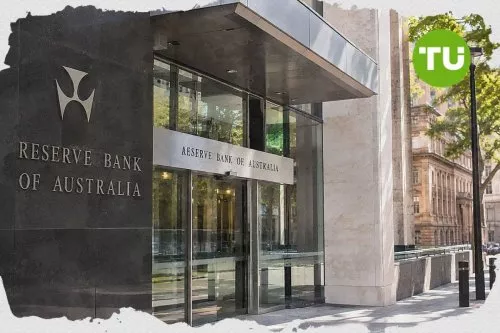
The Reserve Bank of Australia board, chaired by Governor Michele Bullock, voted unanimously to leave the cash rate unchanged, according to Bloomberg. The pause had been widely expected, although policymakers left room for another increase if inflation pressures intensify.
Inflation keeps RBA on alert
Inflation remains the central challenge. The RBA has struggled to return inflation sustainably to the midpoint of its 2% to 3% target range, and its latest projections indicate that both headline and underlying inflation may not reach 2.5% until early 2028.
Recent domestic data have nevertheless moved in a more favorable direction. Unemployment has remained near 4.4%, hiring has held up, and inflation has been slightly softer than anticipated. At the same time, household spending has remained relatively resilient despite weak consumer sentiment.
Housing is providing a clearer signal of monetary restraint. Sydney home prices have fallen 5.3% from their peak, although the median dwelling value remains around A$1.24 million. Higher borrowing costs and changes affecting property investors are adding pressure to the sector.
The Australian dollar slipped 0.2% after the decision. Three-year government bond yields also moved lower as investors reduced expectations for another rate increase this year.
Energy shock complicates the outlook
The RBA’s task has become more difficult because of elevated global energy prices linked to the U.S.-Iran conflict and uncertainty surrounding the Strait of Hormuz. A prolonged disruption to oil supplies could keep fuel and transportation costs elevated, slowing progress on inflation.
That risk comes as monetary policy is already restrictive. The RBA raised rates at its first three meetings of 2026, including a 25-basis-point increase to 4.35% in May as energy costs intensified inflation pressure.
Australia’s major banks broadly expect the tightening cycle to be over, but the central bank has kept further increases on the table. Weak productivity growth is another constraint, limiting the economy’s capacity to expand without generating additional price pressure.
Markets face a longer period of restrictive policy
The decision suggests Australian borrowers may face elevated interest rates for longer even if another hike is avoided. With inflation still above target and unemployment around 4.4%, the RBA has limited room to ease quickly.
For markets, the key question is whether weakening housing and employment conditions can cool demand before expensive energy feeds into domestic prices. A renewed inflation surge could revive expectations of another rate increase, supporting bond yields and the Australian dollar while adding pressure to rate-sensitive equities and property.
Earlier, we reported that the Bank of England keeps rates on hold amid volatile energy markets.






Latest RBA News




-
 Afghanistan
-
 Albania
-
 Algeria
-
 Angola
-
 Argentina
-
 Armenia
-
 Australia
-
 Austria
-
 Azerbaijan
-
 Bahamas
-
 Bahrain
-
 Bangladesh
-
 Belarus
-
 Belgium
-
 Bolivia
-
 Botswana
-
 Brazil
-
 Brunei
-
 Bulgaria
-
 Cambodia
-
 Cameroon
-
 Canada
-
 Chile
-
 China
-
 Colombia
-
 Congo
-
 Costa Rica
-
 Cote d'Ivoire
-
 Croatia
-
 Cuba
-
 Cyprus
-
 Czechia
-
 DR Congo
-
 Denmark
-
 Dominican Republic
-
 Ecuador
-
 Egypt
-
 El Salvador
-
 Estonia
-
 Eswatini
-
 Ethiopia
-
 Finland
-
 France
-
 Georgia
-
 Germany
-
 Ghana
-
 Greece
-
 Haiti
-
 Hong Kong
-
 Hungary
-
 India
-
 Indonesia
-
 Iran, Islamic republic
-
 Iraq
-
 Ireland
-
 Israel
-
 Italy
-
 Jamaica
-
 Japan
-
 Jordan
-
 Kazakhstan
-
 Kenya
-
 Korea
-
 Kuwait
-
 Kyrgyzstan
-
 Laos
-
 Latvia
-
 Lebanon
-
 Lesotho
-
 Libya
-
 Lithuania
-
 Luxembourg
-
 Madagascar
-
 Malaysia
-
 Malta
-
 Mauritius
-
 Mexico
-
 Moldova
-
 Mongolia
-
 Montenegro
-
 Morocco
-
 Mozambique
-
 Myanmar
-
 Namibia
-
 Nepal
-
 Netherlands
-
 New Zealand
-
 Nigeria
-
 North Macedonia
-
 Norway
-
 Oman
-
 Pakistan
-
 Palestine
-
 Panama
-
 Papua New Guinea
-
 Paraguay
-
 Peru
-
 Philippines
-
 Poland
-
 Portugal
-
 Puerto Rico
-
 Qatar
-
 Reunion
-
 Romania
-
 Rwanda
-
 Saudi Arabia
-
 Serbia
-
 Singapore
-
 Slovakia
-
 Slovenia
-
 Somalia
-
 South Africa
-
 Spain
-
 Sri Lanka
-
 Sweden
-
 Switzerland
-
 Syria
-
 Taiwan
-
 Tajikistan
-
 Tanzania
-
 Thailand
-
 Trinidad and Tobago
-
 Tunisia
-
 Turkey
-
 UAE
-
 Uganda
-
 Ukraine
-
 United Kingdom
-
United States
-
 Uruguay
-
 Uzbekistan
-
 Venezuela
-
 Vietnam
-
 Yemen
-
 Zambia
-
 Zimbabwe
- Forex
- Crypto












