


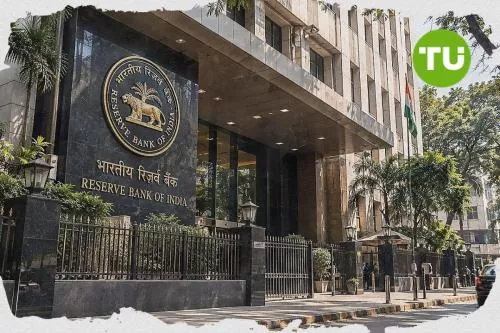
Following a review of current and evolving liquidity conditions, the Reserve Bank of India will conduct a 3-day Variable Rate Reverse Repo auction under the liquidity adjustment facility on September 25, 2026. The auction, worth Rs. 1.5 lakh crore, is part of short-term banking liquidity management and will reverse on September 28, 2026.
Highlights
- RBI will conduct a three-day VRRR auction worth Rs. 150,000 crore on September 25, 2026, between 9:30 AM and 10:00 AM.
- The reversal date under the operation has been set for September 28, 2026, absorbing short-term surplus liquidity.
- The auction guidelines will remain unchanged in accordance with press release 2019-2020/1947 dated February 13, 2020; the announcement was made in press release 2026-2027/1182.
This article was translated from the original. Read the original version by our correspondent here.
Auction framework and schedule
According to an RBI press release, the VRRR auction will be held on Friday, September 25, 2026, between 9:30 AM and 10:00 AM. The notified amount is Rs. 150,000 crore, and the tenor will be three days.The reversal date for this operation has been set for Monday, September 28, 2026. The central bank said the move follows a review of current and evolving liquidity conditions.
Impact on liquidity management
This measure is a tool for absorbing short-term surplus liquidity within the RBI's liquidity adjustment framework, helping maintain a more balanced funds position in the banking system. VRRR auctions generally help keep money market rates aligned with the policy framework.The central bank clarified that the operational guidelines for the auction will remain unchanged, in line with press release 2019-2020/1947 dated February 13, 2020. The announcement was made in press release 2026-2027/1182 issued in the name of Ajit Prasad, Deputy General Manager, Communications, RBI.
Our previous report discussed the results of the state government securities auction held on September 22, 2026, which was seen as part of meeting states' borrowing needs and the broader government borrowing programme. We also noted that such auctions play an important role in maintaining liquidity in the system, balancing credit flows, and providing market-based financing for public spending/capital expenditure.





Latest Reserve Bank of India News





-
 Afghanistan
-
 Albania
-
 Algeria
-
 Angola
-
 Argentina
-
 Armenia
-
 Australia
-
 Austria
-
 Azerbaijan
-
 Bahamas
-
 Bahrain
-
 Bangladesh
-
 Belarus
-
 Belgium
-
 Bolivia
-
 Botswana
-
 Brazil
-
 Brunei
-
 Bulgaria
-
 Cambodia
-
 Cameroon
-
 Canada
-
 Chile
Chile
-
 China
China
-
 Colombia
-
 Congo
Congo
-
 Costa Rica
-
 Cote d'Ivoire
-
 Croatia
-
 Cuba
Cuba
-
 Cyprus
-
 Czechia
-
 DR Congo
-
 Denmark
-
 Dominican Republic
-
 Ecuador
-
 Egypt
Egypt
-
 El Salvador
-
 Estonia
-
 Eswatini
-
 Ethiopia
-
 Finland
-
 France
-
 Georgia
-
 Germany
-
 Ghana
Ghana
-
 Greece
-
 Haiti
Haiti
-
 Hong Kong
-
 Hungary
-
 India
India
-
 Indonesia
-
 Iran, Islamic republic
-
 Iraq
Iraq
-
 Ireland
-
 Israel
-
 Italy
Italy
-
 Jamaica
-
 Japan
Japan
-
 Jordan
-
 Kazakhstan
-
 Kenya
Kenya
-
 Korea
Korea
-
 Kuwait
-
 Kyrgyzstan
-
 Laos
Laos
-
 Latvia
-
 Lebanon
-
 Lesotho
-
 Libya
Libya
-
 Lithuania
-
 Luxembourg
-
 Madagascar
-
 Malaysia
-
 Malta
Malta
-
 Mauritius
-
 Mexico
-
 Moldova
-
 Mongolia
-
 Montenegro
-
 Morocco
-
 Mozambique
-
 Myanmar
-
 Namibia
-
 Nepal
Nepal
-
 Netherlands
-
 New Zealand
-
 Nigeria
-
 North Macedonia
-
 Norway
-
 Oman
Oman
-
 Pakistan
-
 Palestine
-
 Panama
-
 Papua New Guinea
-
 Paraguay
-
 Peru
Peru
-
 Philippines
-
 Poland
-
 Portugal
-
 Puerto Rico
-
 Qatar
Qatar
-
 Reunion
-
 Romania
-
 Rwanda
-
 Saudi Arabia
-
 Serbia
-
 Singapore
-
 Slovakia
-
 Slovenia
-
 Somalia
-
 South Africa
-
 Spain
Spain
-
 Sri Lanka
-
 Sweden
-
 Switzerland
-
 Syria
Syria
-
 Taiwan
-
 Tajikistan
-
 Tanzania
-
 Thailand
-
 Trinidad and Tobago
-
 Tunisia
-
 Turkey
-
 UAE
UAE
-
 Uganda
-
 Ukraine
-
 United Kingdom
-
United States
-
 Uruguay
-
 Uzbekistan
-
 Venezuela
-
 Vietnam
-
 Yemen
Yemen
-
 Zambia
-
 Zimbabwe
- Forex
- Crypto












