

State securities auction raises ₹19,200 crore; Tamil Nadu rejects bids in two tranches

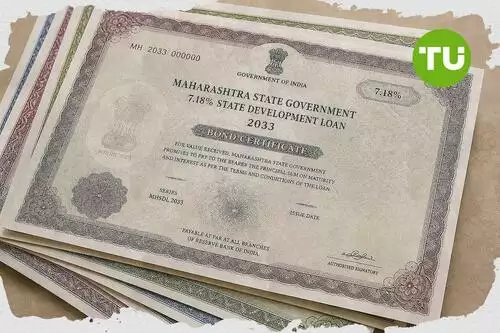
Indian states accepted ₹19,200 crore against the planned total of ₹22,200 crore through a yield-based price auction of State Government Securities. In this auction, several states took full allocations, while Tamil Nadu did not accept any amount in the reissue of the 10-year security and 7.62% Tamil Nadu SGS 2041.
Highlights
- State governments raised a total of ₹19,200 crore in the securities auction, falling short of the target.
- Tamil Nadu did not accept any amount in the 10-year and 7.62% SGS 2041 reissues, raising only ₹2,000 crore in 7.70% SGS 2051.
- Selective acceptance based on tenor, price, and yield continued in states' market borrowing, with the demand base appearing strong.
This article was translated from the original. Read the original version by our correspondent here.
Auction signals in state borrowing
According to a Reserve Bank of India press release, Tamil Nadu did not accept any amount in the reissue of the 10-year security and 7.62% Tamil Nadu SGS 2041, while accepting ₹2,000 crore in the reissue of 7.70% Tamil Nadu SGS 2051. This had the biggest impact on the total amount accepted, and the overall borrowing target could not be met.Sikkim accepted ₹200 crore each in the 4-year and 16-year tenors, although the presentation of these entries in the available text differs from that of other states. Nevertheless, these issues have been included in the total collection.
The auction result shows that state governments continue to selectively accept bids in market borrowing based on tenor, price, and yield. States that brought reissues of securities issued in recent months raised the full amount in most cases, indicating that demand in the state development loan market remains supported.
Our previous report discussed the results of the State Government Securities (SGS) auction held on September 22, 2026 and the process through which states meet their financial needs via this mechanism. We also noted that such auctions are part of the broader government borrowing programme and play an important role in maintaining liquidity and balanced credit flows in the economy.






Latest Reserve Bank of India News


-
 Afghanistan
-
 Albania
-
 Algeria
-
 Angola
-
 Argentina
-
 Armenia
-
 Australia
-
 Austria
-
 Azerbaijan
-
 Bahamas
-
 Bahrain
-
 Bangladesh
-
 Belarus
-
 Belgium
-
 Bolivia
-
 Botswana
-
 Brazil
-
 Brunei
-
 Bulgaria
-
 Cambodia
-
 Cameroon
-
 Canada
-
 Chile
-
 China
-
 Colombia
-
 Congo
-
 Costa Rica
-
 Cote d'Ivoire
-
 Croatia
-
 Cuba
-
 Cyprus
-
 Czechia
-
 DR Congo
-
 Denmark
-
 Dominican Republic
-
 Ecuador
-
 Egypt
-
 El Salvador
-
 Estonia
-
 Eswatini
-
 Ethiopia
-
 Finland
-
 France
-
 Georgia
-
 Germany
-
 Ghana
-
 Greece
-
 Haiti
-
 Hong Kong
-
 Hungary
-
 India
-
 Indonesia
-
 Iran, Islamic republic
-
 Iraq
-
 Ireland
-
 Israel
-
 Italy
-
 Jamaica
-
 Japan
-
 Jordan
-
 Kazakhstan
-
 Kenya
-
 Korea
-
 Kuwait
-
 Kyrgyzstan
-
 Laos
-
 Latvia
-
 Lebanon
-
 Lesotho
-
 Libya
-
 Lithuania
-
 Luxembourg
-
 Madagascar
-
 Malaysia
-
 Malta
-
 Mauritius
-
 Mexico
-
 Moldova
-
 Mongolia
-
 Montenegro
-
 Morocco
-
 Mozambique
-
 Myanmar
-
 Namibia
-
 Nepal
-
 Netherlands
-
 New Zealand
-
 Nigeria
-
 North Macedonia
-
 Norway
-
 Oman
-
 Pakistan
-
 Palestine
-
 Panama
-
 Papua New Guinea
-
 Paraguay
-
 Peru
-
 Philippines
-
 Poland
-
 Portugal
-
 Puerto Rico
-
 Qatar
-
 Reunion
-
 Romania
-
 Rwanda
-
 Saudi Arabia
-
 Serbia
-
 Singapore
-
 Slovakia
-
 Slovenia
-
 Somalia
-
 South Africa
-
 Spain
-
 Sri Lanka
-
 Sweden
-
 Switzerland
-
 Syria
-
 Taiwan
-
 Tajikistan
-
 Tanzania
-
 Thailand
-
 Trinidad and Tobago
-
 Tunisia
-
 Turkey
-
 UAE
-
 Uganda
-
 Ukraine
-
 United Kingdom
-
United States
-
 Uruguay
-
 Uzbekistan
-
 Venezuela
-
 Vietnam
-
 Yemen
-
 Zambia
-
 Zimbabwe
- Forex
- Crypto












