
U.S.-Iran strikes lift oil prices as Trump vows harder attacks
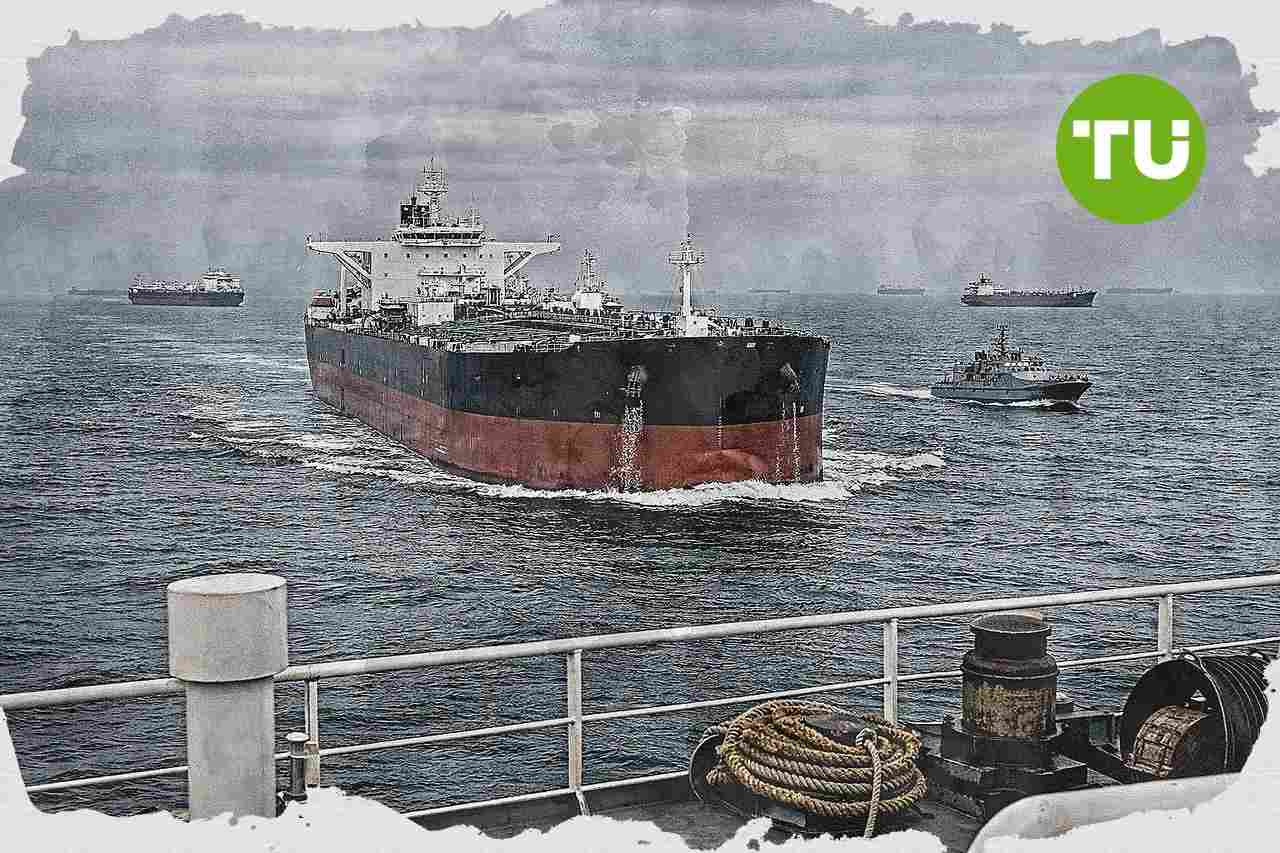
Escalating military exchanges between Washington and Tehran are driving fresh volatility across energy markets and raising fears of wider disruption to Middle East oil flows. Brent crude climbs to its highest level in a month as Donald Trump says the U.S. will hit Iran hard on Monday and Tuesday nights.
Highlights
- Brent crude rises nearly 10 per cent on Monday to $83.30 a barrel, then climbs to $83.75 after Trump threatens further U.S. strikes on Iran.
- Trump signals plans for new U.S. military action and threatens a 20 per cent fee on oil passing the Strait of Hormuz, adding about $16 per barrel in transit costs.
- Citigroup analysts warn that implementing the 20 per cent fee materially increases escalation risks and could keep oil prices elevated if Iran withdraws from the interim deal.
Military escalation and oil market reaction
As reported by Financial Times, Trump says in a radio interview on Monday that the U.S. is going to hit Iran very hard tonight and again tomorrow, extending military action that is already pushing global oil prices higher.The U.S. and Iran have exchanged several rounds of air strikes over the past week, while Trump declares that a ceasefire agreement meant to reopen the Strait of Hormuz to vital oil shipments is over. Further U.S. strikes increase the risk of a return to full-scale conflict.
Brent crude, the international benchmark, settles nearly 10 per cent higher on Monday at $83.30 a barrel, its highest level since June 12. Prices then rise further to $83.75 after Trump's threat on Monday afternoon.
Hormuz fee threat raises supply risk
Earlier on Monday, Trump also threatens to reinstate the U.S. naval blockade of Iran and impose a 20 per cent fee on cargo passing through the Strait of Hormuz.Based on current prices, a 20 per cent U.S. levy would add about $16 to the cost of every barrel of crude moving through Hormuz, or roughly $32mn for each supertanker using the strait.
Citigroup analysts warn on Monday that the risks of military escalation would rise materially if the U.S. implements the 20 per cent fee. In a note to clients, the bank says the possibility of the Iranian regime stepping away from the interim deal until after the U.S. midterm elections has also increased, a scenario that would most likely keep oil prices higher for longer.
In our earlier coverage of the sharp drop in commercial shipping through the Strait of Hormuz, we outlined how vessel traffic fell dramatically as U.S.–Iran fighting intensified and routes shifted away from the U.S.-protected corridor near Oman. We also noted that Trump’s threat of a renewed naval blockade and a proposed 20% cargo fee heightened uncertainty around this critical energy chokepoint, adding to market concerns over potential supply disruptions.







-
 Afghanistan
-
 Albania
-
 Algeria
-
 Angola
-
 Argentina
-
 Armenia
-
 Australia
-
 Austria
-
 Azerbaijan
-
 Bahamas
-
 Bahrain
-
 Bangladesh
-
 Belarus
-
 Belgium
-
 Bolivia
-
 Botswana
-
 Brazil
-
 Brunei
-
 Bulgaria
-
 Cambodia
-
 Cameroon
-
 Canada
-
 Chile
Chile
-
 China
China
-
 Colombia
-
 Congo
Congo
-
 Costa Rica
-
 Cote d'Ivoire
-
 Croatia
-
 Cuba
Cuba
-
 Cyprus
-
 Czechia
-
 DR Congo
-
 Denmark
-
 Dominican Republic
-
 Ecuador
-
 Egypt
Egypt
-
 El Salvador
-
 Estonia
-
 Eswatini
-
 Ethiopia
-
 Finland
-
 France
-
 Georgia
-
 Germany
-
 Ghana
Ghana
-
 Greece
-
 Haiti
Haiti
-
 Hong Kong
-
 Hungary
-
 India
India
-
 Indonesia
-
 Iran, Islamic republic
-
 Iraq
Iraq
-
 Ireland
-
 Israel
-
 Italy
Italy
-
 Jamaica
-
 Japan
Japan
-
 Jordan
-
 Kazakhstan
-
 Kenya
Kenya
-
 Korea
Korea
-
 Kuwait
-
 Kyrgyzstan
-
 Laos
Laos
-
 Latvia
-
 Lebanon
-
 Lesotho
-
 Libya
Libya
-
 Lithuania
-
 Luxembourg
-
 Madagascar
-
 Malaysia
-
 Malta
Malta
-
 Mauritius
-
 Mexico
-
 Moldova
-
 Mongolia
-
 Montenegro
-
 Morocco
-
 Mozambique
-
 Myanmar
-
 Namibia
-
 Nepal
Nepal
-
 Netherlands
-
 New Zealand
-
 Nigeria
-
 North Macedonia
-
 Norway
-
 Oman
Oman
-
 Pakistan
-
 Palestine
-
 Panama
-
 Papua New Guinea
-
 Paraguay
-
 Peru
Peru
-
 Philippines
-
 Poland
-
 Portugal
-
 Puerto Rico
-
 Qatar
Qatar
-
 Reunion
-
 Romania
-
 Rwanda
-
 Saudi Arabia
-
 Serbia
-
 Singapore
-
 Slovakia
-
 Slovenia
-
 Somalia
-
 South Africa
-
 Spain
Spain
-
 Sri Lanka
-
 Sweden
-
 Switzerland
-
 Syria
Syria
-
 Taiwan
-
 Tajikistan
-
 Tanzania
-
 Thailand
-
 Trinidad and Tobago
-
 Tunisia
-
 Turkey
-
 UAE
UAE
-
 Uganda
-
 Ukraine
-
 United Kingdom
-
United States
-
 Uruguay
-
 Uzbekistan
-
 Venezuela
-
 Vietnam
-
 Yemen
Yemen
-
 Zambia
-
 Zimbabwe
- Forex
- Crypto











