
British Columbia, Simpcw First Nation sign Yellowhead mine review agreement
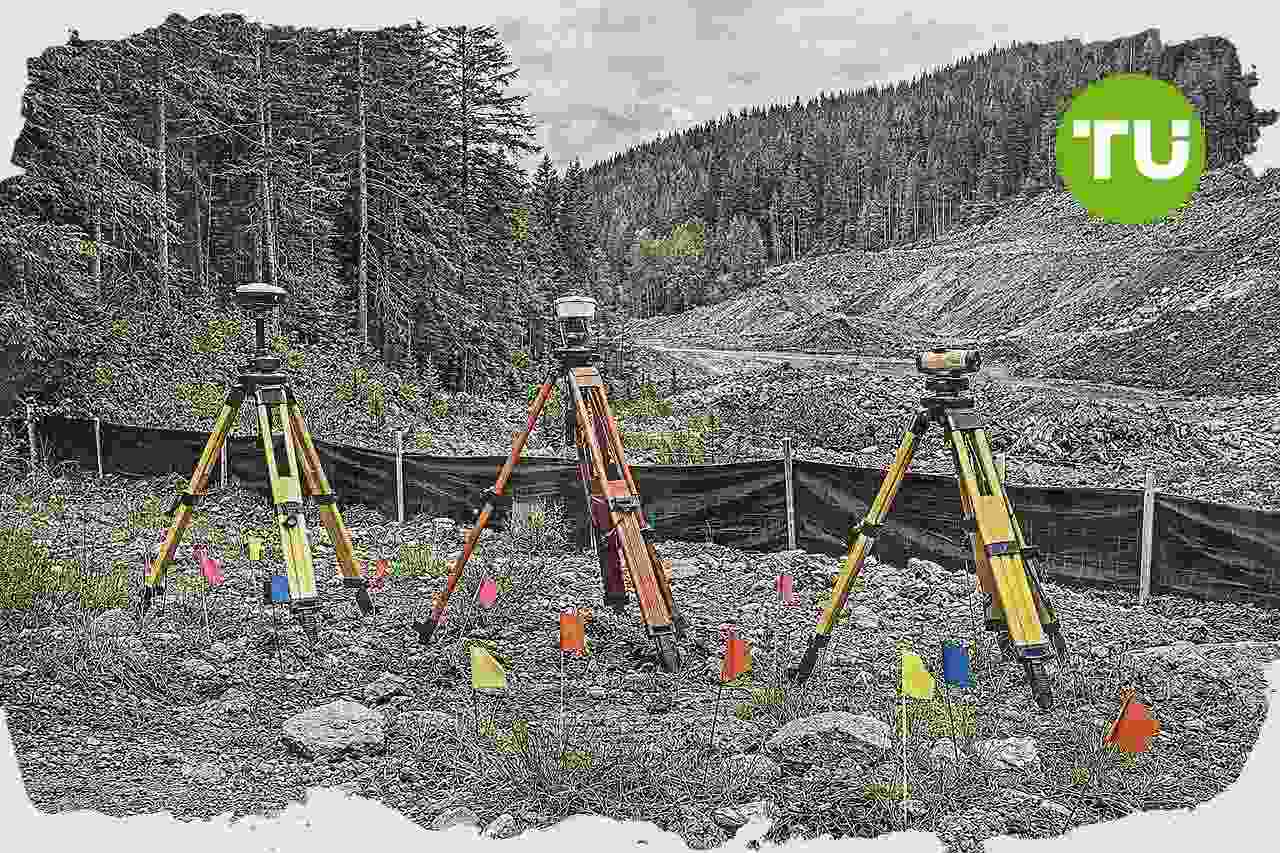
British Columbia and Simpcw First Nation are formalizing a consent-based framework for reviewing the proposed Yellowhead Copper mine in Simpcw Territory. The agreement is designed to align separate assessment processes for the project, which entered Simpcw’s review in May 2024 and the provincial environmental assessment process in July 2025.
Highlights
- British Columbia and Simpcw First Nation signed a consent-based decision-making agreement for the environmental assessment of Trekor Metals' Yellowhead Copper Project in Simpcwul’ecw.
- This framework aligns government and Simpcw assessment processes, aiming for efficient, collaborative reviews and greater investment certainty for mining projects.
- The agreement, established under the Declaration on the Rights of Indigenous Peoples Act, may serve as a model for future projects, supporting transparent co-operation and economic growth.
Assessment framework for Yellowhead project
As reported by BC Gov News, the Province and Simpcw First Nation have signed a consent-based decision-making agreement for the environmental assessment and review of the Yellowhead Copper Project, proposed by Trekor Metals Limited in Simpcwul’ecw. The agreement is signed by Simpcw Chief George Lampreau, Environment and Parks Minister Tamara Davidson, Indigenous Relations and Reconciliation Minister Spencer Chandra Herbert, and Mining and Critical Minerals Minister Jagrup Brar.The framework aligns the two governments’ individual assessment processes in what officials describe as an efficient, timely and collaborative approach. Simpcw and the Environmental Assessment Office will carry out their assessment processes together to inform separate decisions, including the Province’s determination on an environmental assessment certificate and Simpcw’s decision on whether to grant consent for the project to proceed.
Lampreau says the arrangement marks the first time Simpcw is applying its consent process to a major project and establishes a model for how future mining decisions may be handled in its territory. Davidson says the approach is intended to protect the environment, respect First Nations rights and provide greater investment certainty.
Mining and regional implications
The agreement is made under British Columbia’s Declaration on the Rights of Indigenous Peoples Act and recognizes Simpcw’s role as a steward of the land while strengthening the government-to-government relationship with the province. The Province says the framework may also be amended for future mining projects in Simpcw territory where a provincial environmental assessment is required.Chandra Herbert says the agreement is meant to create more certainty for major projects while recognizing First Nations rights. Brar links the approval to British Columbia’s Look West Strategy and says the process supports economic growth through transparent government-to-government co-operation.
Trekor President and CEO Stuart McDonald says the company has been advancing the project through Simpcw’s Indigenous-led process since 2024 and began the provincial environmental assessment in 2025. He says the new agreement can support a more co-ordinated, efficient and transparent review for the Yellowhead project.
The Environmental Assessment Office says it has engaged potentially affected First Nations on both the agreement and the project review, including Adams Lake Indian Band, Neskonlith Indian Band, Skwlāx te Secwepemcúĺecw, Stswēceḿc Xgāt’tem, Tsq̓ éscen̓ First Nation and Whispering Pines/Clinton Indian Band. Simpcw and the Province also say they have engaged local governments and industry groups, including Trekor, regional districts, the District of Clearwater, the District of Barriere, the Mining Association of British Columbia and the Association for Mineral Exploration.
In our earlier article on the Canadian Council of Ministers of the Environment meeting in Calgary, we covered how federal, provincial and territorial ministers aimed to align on emissions reductions and clean-economy priorities. The report also highlighted federal engagement with Indigenous partners, including the Manitou Asinîy Land Use Agreement, underscoring stewardship and intergovernmental cooperation alongside economic competitiveness goals.


Latest Copper News







-
 Afghanistan
-
 Albania
-
 Algeria
-
 Angola
-
 Argentina
-
 Armenia
-
 Australia
-
 Austria
-
 Azerbaijan
-
 Bahamas
-
 Bahrain
-
 Bangladesh
-
 Belarus
-
 Belgium
-
 Bolivia
-
 Botswana
-
 Brazil
-
 Brunei
-
 Bulgaria
-
 Cambodia
-
 Cameroon
-
 Canada
-
 Chile
Chile
-
 China
China
-
 Colombia
-
 Congo
Congo
-
 Costa Rica
-
 Cote d'Ivoire
-
 Croatia
-
 Cuba
Cuba
-
 Cyprus
-
 Czechia
-
 DR Congo
-
 Denmark
-
 Dominican Republic
-
 Ecuador
-
 Egypt
Egypt
-
 El Salvador
-
 Estonia
-
 Eswatini
-
 Ethiopia
-
 Finland
-
 France
-
 Georgia
-
 Germany
-
 Ghana
Ghana
-
 Greece
-
 Haiti
Haiti
-
 Hong Kong
-
 Hungary
-
 India
India
-
 Indonesia
-
 Iran, Islamic republic
-
 Iraq
Iraq
-
 Ireland
-
 Israel
-
 Italy
Italy
-
 Jamaica
-
 Japan
Japan
-
 Jordan
-
 Kazakhstan
-
 Kenya
Kenya
-
 Korea
Korea
-
 Kuwait
-
 Kyrgyzstan
-
 Laos
Laos
-
 Latvia
-
 Lebanon
-
 Lesotho
-
 Libya
Libya
-
 Lithuania
-
 Luxembourg
-
 Madagascar
-
 Malaysia
-
 Malta
Malta
-
 Mauritius
-
 Mexico
-
 Moldova
-
 Mongolia
-
 Montenegro
-
 Morocco
-
 Mozambique
-
 Myanmar
-
 Namibia
-
 Nepal
Nepal
-
 Netherlands
-
 New Zealand
-
 Nigeria
-
 North Macedonia
-
 Norway
-
 Oman
Oman
-
 Pakistan
-
 Palestine
-
 Panama
-
 Papua New Guinea
-
 Paraguay
-
 Peru
Peru
-
 Philippines
-
 Poland
-
 Portugal
-
 Puerto Rico
-
 Qatar
Qatar
-
 Reunion
-
 Romania
-
 Rwanda
-
 Saudi Arabia
-
 Serbia
-
 Singapore
-
 Slovakia
-
 Slovenia
-
 Somalia
-
 South Africa
-
 Spain
Spain
-
 Sri Lanka
-
 Sweden
-
 Switzerland
-
 Syria
Syria
-
 Taiwan
-
 Tajikistan
-
 Tanzania
-
 Thailand
-
 Trinidad and Tobago
-
 Tunisia
-
 Turkey
-
 UAE
UAE
-
 Uganda
-
 Ukraine
-
 United Kingdom
-
United States
-
 Uruguay
-
 Uzbekistan
-
 Venezuela
-
 Vietnam
-
 Yemen
Yemen
-
 Zambia
-
 Zimbabwe
- Forex
- Crypto











