

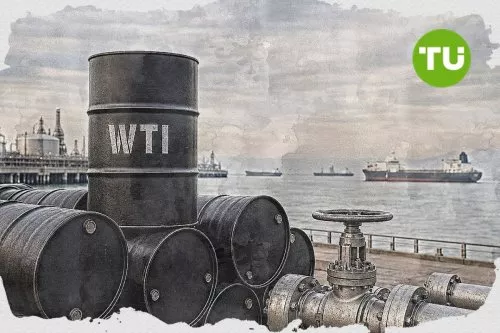
WTI tests $94 barrier as Hormuz risks and OPEC+ support prices

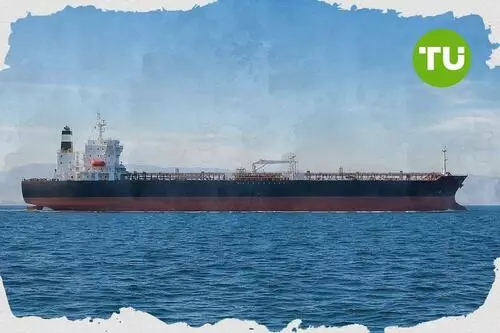
WTI is trading around $92 per barrel on September 7 after another attempt to consolidate above $93. The main source of support is currently coming not from the U.S., but from the supply side: over the weekend, Iran announced plans to create its own “exclusion zone” in the Strait of Hormuz, once again increasing concerns over commercial shipping.

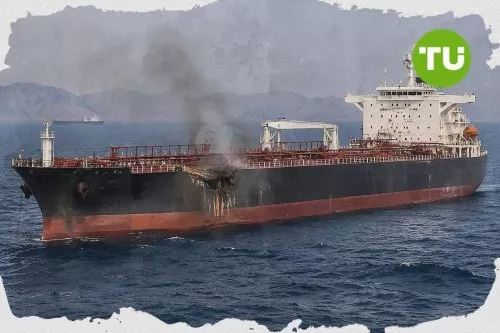
At the same time, the U.S. reported strikes on three Iranian oil tankers following new attacks on American naval vessels. Against this backdrop, Brent rose to nearly $98, while WTI approached $93, but part of the premium was later removed through profit-taking. Additional support came from the OPEC+ decision on September 6 to keep October production at September levels after six months of consecutive quota increases, meaning the group is not yet rushing to offset the geopolitical deficit with additional barrels.
U.S. crude balance remains tight despite record output
The U.S. physical market also remains fairly tight. According to the latest EIA report, commercial crude inventories fell by 4.45 million barrels in the week ending August 28, to 424.46 million barrels, while Gulf Coast inventories declined by around 6.36 million barrels. At the same time, refinery utilization rose to 98.0%, while crude runs reached around 17.5 million barrels per day, indicating very strong refinery demand.
U.S. production, however, also reached a new high of around 13.86 million barrels per day, so the domestic deficit is not being driven by weak supply, but by a combination of high refinery runs, exports and limited inflows of foreign crude. The next weekly EIA report will be released on September 10 and will be particularly important after the sharp rise in prices over the past two weeks.
Demand outlook limits medium-term upside
The medium-term balance remains less clear. In its August STEO, the EIA assumed that flows through the Strait of Hormuz would begin to recover gradually in September, while Brent would average around $85 in the third quarter and then decline to $69 in 2027 as production normalizes. But the current escalation makes those assumptions less reliable, and the agency will publish an updated forecast on September 9.
OPEC, for its part, lowered its estimate for global oil demand growth in 2026 to around 580K barrels per day. As a result, the market is now facing opposing forces: weak global demand limits the fundamental upside potential, but any further deterioration in the situation around the Strait of Hormuz could instantly add several dollars of geopolitical premium.
Break above $94 could expose $100
On the 4-hour chart, the structure remains bullish: after reversing from the $75–76 area, WTI formed a sequence of higher lows and is holding well above all major moving averages. At the same time, the $93–94 zone has already stopped buyers several times and has become the key local resistance.
A firm break above $94 would open the way toward $96–98, while another serious escalation in the Strait of Hormuz could quickly push the market toward $100. On the downside, the first important support remains at $90–89; a break below this area would increase the probability of a correction toward $87–86.
For now, the combination of the OPEC+ decision, falling inventories and renewed tensions in the Middle East continues to favor buyers, although after the strong rally WTI, as I warned in WTI holds bullish structure as Middle East risk keeps supply premium elevated, is becoming increasingly sensitive to any signs of de-escalation.








-
 Afghanistan
-
 Albania
-
 Algeria
-
 Angola
-
 Argentina
-
 Armenia
-
 Australia
-
 Austria
-
 Azerbaijan
-
 Bahamas
-
 Bahrain
-
 Bangladesh
-
 Belarus
-
 Belgium
-
 Bolivia
-
 Botswana
-
 Brazil
-
 Brunei
-
 Bulgaria
-
 Cambodia
-
 Cameroon
-
 Canada
-
 Chile
-
 China
-
 Colombia
-
 Congo
-
 Costa Rica
-
 Cote d'Ivoire
-
 Croatia
-
 Cuba
-
 Cyprus
-
 Czechia
-
 DR Congo
-
 Denmark
-
 Dominican Republic
-
 Ecuador
-
 Egypt
-
 El Salvador
-
 Estonia
-
 Eswatini
-
 Ethiopia
-
 Finland
-
 France
-
 Georgia
-
 Germany
-
 Ghana
-
 Greece
-
 Haiti
-
 Hong Kong
-
 Hungary
-
 India
-
 Indonesia
-
 Iran, Islamic republic
-
 Iraq
-
 Ireland
-
 Israel
-
 Italy
-
 Jamaica
-
 Japan
-
 Jordan
-
 Kazakhstan
-
 Kenya
-
 Korea
-
 Kuwait
-
 Kyrgyzstan
-
 Laos
-
 Latvia
-
 Lebanon
-
 Lesotho
-
 Libya
-
 Lithuania
-
 Luxembourg
-
 Madagascar
-
 Malaysia
-
 Malta
-
 Mauritius
-
 Mexico
-
 Moldova
-
 Mongolia
-
 Montenegro
-
 Morocco
-
 Mozambique
-
 Myanmar
-
 Namibia
-
 Nepal
-
 Netherlands
-
 New Zealand
-
 Nigeria
-
 North Macedonia
-
 Norway
-
 Oman
-
 Pakistan
-
 Palestine
-
 Panama
-
 Papua New Guinea
-
 Paraguay
-
 Peru
-
 Philippines
-
 Poland
-
 Portugal
-
 Puerto Rico
-
 Qatar
-
 Reunion
-
 Romania
-
 Rwanda
-
 Saudi Arabia
-
 Serbia
-
 Singapore
-
 Slovakia
-
 Slovenia
-
 Somalia
-
 South Africa
-
 Spain
-
 Sri Lanka
-
 Sweden
-
 Switzerland
-
 Syria
-
 Taiwan
-
 Tajikistan
-
 Tanzania
-
 Thailand
-
 Trinidad and Tobago
-
 Tunisia
-
 Turkey
-
 UAE
-
 Uganda
-
 Ukraine
-
 United Kingdom
-
United States
-
 Uruguay
-
 Uzbekistan
-
 Venezuela
-
 Vietnam
-
 Yemen
-
 Zambia
-
 Zimbabwe
- Forex
- Crypto












