

Oil prices rise as Gulf tanker attacks threaten Middle East supply recovery

Oil prices climbed on Tuesday as renewed attacks on shipping in the Persian Gulf kept supply disruption risks in focus. The gains came despite expectations that recovering Middle East exports will push the global crude market into surplus before the end of the year.
Highlights
- Brent rises 1.34% as Gulf risks persist.
- Recovering Middle East exports raises surplus concerns.
- OPEC+ meets November 29 to discuss 2027 oil output.
January 2027 Brent crude futures rose 1.34% to $93.68 a barrel, while January WTI futures advanced 1.27% to $85.54, according to the supplied market quotes. Oil prices are rising as traders assess the outlook for global supplies alongside expectations of declining U.S. crude inventories, Reuters reports.
Middle East exports ease supply concerns
The International Energy Agency expects global oil supplies to exceed demand in the fourth quarter of 2026, reflecting a faster recovery in Middle Eastern exports than in worldwide consumption.
Exporters in the Gulf have been increasing shipments toward levels recorded before the U.S.-Israeli war on Iran. The recovery has also reduced the cost of transporting oil, suggesting that some of the additional shipping risk premium built into freight rates is disappearing.
The broader market remains under pressure despite Tuesday's rebound. Brent has lost approximately 21% this month, while WTI has fallen about 18%, reflecting changing expectations for supply availability and the durability of geopolitical disruptions.
Equity markets also weakened on Tuesday, with technology shares weighing on major indexes in the United States, Europe, and Asia. The decline added to uncertainty over the economic outlook and future energy consumption.
Tanker attacks keep Gulf shipping risks elevated
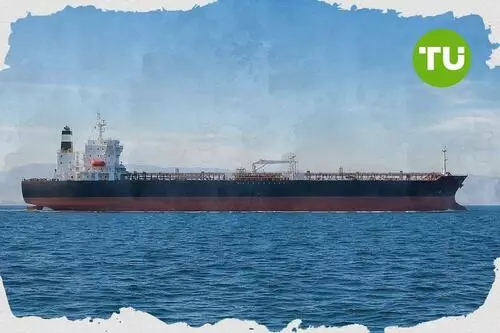
Security conditions around the Strait of Hormuz remain unstable. A vessel was reportedly struck twice in the waterway, leaving its crew unaccounted for, while Iranian drones targeted a U.S. military radar installation in Bahrain.
These incidents have complicated expectations for a sustained recovery in regional exports. Even as more crude becomes available, attacks on commercial shipping could disrupt deliveries, increase insurance costs, and force vessels to reconsider routes.
The contrast between recovering export volumes and persistent security threats has left traders balancing immediate disruption risks against the possibility of a more comfortably supplied market.
OPEC decisions and U.S. reserves shape the outlook
Supply policy will be another major influence on prices in the coming weeks. OPEC discussed its assessment of member countries' sustainable production capacity on Monday, a process that will help determine output quotas for 2027 and beyond.
The wider OPEC+ alliance, which includes Russia, is scheduled to meet on November 29 to decide its production policy for next year.
Meanwhile, U.S. Strategic Petroleum Reserve inventories fell to 276.4 million barrels, their lowest level since August 1982. The decline reflects releases under a U.S. agreement to make 172 million barrels available from emergency reserves.
Traders are also awaiting weekly U.S. inventory figures from the American Petroleum Institute and the Energy Information Administration. Further declines in commercial crude stocks could support prices, although a sustained recovery may depend on whether Gulf shipping disruptions outweigh the expected supply surplus.
We also reported Iran signals willingness to negotiate despite Bahrain attacks and Hormuz tensions.








-
 Afghanistan
-
 Albania
-
 Algeria
-
 Angola
-
 Argentina
-
 Armenia
-
 Australia
-
 Austria
-
 Azerbaijan
-
 Bahamas
-
 Bahrain
-
 Bangladesh
-
 Belarus
-
 Belgium
-
 Bolivia
-
 Botswana
-
 Brazil
-
 Brunei
-
 Bulgaria
-
 Cambodia
-
 Cameroon
-
 Canada
-
 Chile
-
 China
-
 Colombia
-
 Congo
-
 Costa Rica
-
 Cote d'Ivoire
-
 Croatia
-
 Cuba
-
 Cyprus
-
 Czechia
-
 DR Congo
-
 Denmark
-
 Dominican Republic
-
 Ecuador
-
 Egypt
-
 El Salvador
-
 Estonia
-
 Eswatini
-
 Ethiopia
-
 Finland
-
 France
-
 Georgia
-
 Germany
-
 Ghana
-
 Greece
-
 Haiti
-
 Hong Kong
-
 Hungary
-
 India
-
 Indonesia
-
 Iran, Islamic republic
-
 Iraq
-
 Ireland
-
 Israel
-
 Italy
-
 Jamaica
-
 Japan
-
 Jordan
-
 Kazakhstan
-
 Kenya
-
 Korea
-
 Kuwait
-
 Kyrgyzstan
-
 Laos
-
 Latvia
-
 Lebanon
-
 Lesotho
-
 Libya
-
 Lithuania
-
 Luxembourg
-
 Madagascar
-
 Malaysia
-
 Malta
-
 Mauritius
-
 Mexico
-
 Moldova
-
 Mongolia
-
 Montenegro
-
 Morocco
-
 Mozambique
-
 Myanmar
-
 Namibia
-
 Nepal
-
 Netherlands
-
 New Zealand
-
 Nigeria
-
 North Macedonia
-
 Norway
-
 Oman
-
 Pakistan
-
 Palestine
-
 Panama
-
 Papua New Guinea
-
 Paraguay
-
 Peru
-
 Philippines
-
 Poland
-
 Portugal
-
 Puerto Rico
-
 Qatar
-
 Reunion
-
 Romania
-
 Rwanda
-
 Saudi Arabia
-
 Serbia
-
 Singapore
-
 Slovakia
-
 Slovenia
-
 Somalia
-
 South Africa
-
 Spain
-
 Sri Lanka
-
 Sweden
-
 Switzerland
-
 Syria
-
 Taiwan
-
 Tajikistan
-
 Tanzania
-
 Thailand
-
 Trinidad and Tobago
-
 Tunisia
-
 Turkey
-
 UAE
-
 Uganda
-
 Ukraine
-
 United Kingdom
-
United States
-
 Uruguay
-
 Uzbekistan
-
 Venezuela
-
 Vietnam
-
 Yemen
-
 Zambia
-
 Zimbabwe
- Forex
- Crypto












