

Russia shifts grain exports to Baltic and Arctic ports after Black Sea disruptions

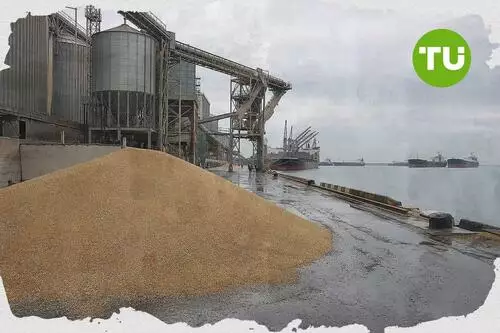
Russian grain exporters are redirecting shipments to Baltic and Arctic ports as drone attacks disrupt traffic through the Black Sea. The shift includes repurposed fertilizer and coal terminals at Ust-Luga, St. Petersburg and Murmansk, broadening export routes for the world's largest wheat exporter.
Highlights
- Russian grain exports are shifting from the Black Sea to Baltic and Arctic ports, repurposing terminals like Ultramar and Modul to boost capacity amid disruptions.
- Murmansk commercial sea port, with annual capacity up to 24 million tons, plans to begin grain exports in October, offering year-round ice-free shipping and security advantages.
- Russia's grain exports dropped 31% year-on-year to 4.4 million tons in July-August, with September exports estimated to halve to 2.45 million tons despite rerouting efforts.
Terminal conversions expand export routes
As reported by Reuters, Russian companies are repurposing fertilizer, coal and other cargo terminals to handle grain as disruptions in the Black Sea cut into the country's main export corridor. In the previous export season, almost 90% of Russia's seaborne grain exports moved through the Black Sea, making the search for alternative capacity more urgent in recent months.At Ust-Luga on the Baltic Sea, industry sources say Ultramar, a private terminal with declared capacity of 37 million metric tons and previously focused on mineral fertilizers, is now handling grain shipments after a rapid adaptation. One source familiar with minutes from an August Transport Ministry meeting says redirecting cargo flows from Demetra, Russia's largest grain trading and logistics company, to Ultramar was considered, while another source says Demetra grain is now moving through the terminal.
Ultramar has been handling grain since August, according to a market source. Rail applications for grain deliveries to the terminal in September total about 260,000 metric tons for destinations including Egypt and Saudi Arabia, another market source says. Sources also say Modul and BSMZ terminals in St. Petersburg, which previously did not handle grain, are now taking such cargo, with Modul able to process up to 70,000 tons of containerized grain a month, although that route is generally more expensive.
Murmansk adds resilience for Russia's grain trade
Murmansk commercial sea port says it is preparing to start grain exports in October, adding Arctic capacity to the rerouting effort. The port, Russia's fourth largest with annual capacity of up to 24 million tons, usually exports coal, ore and metals, and it is not yet clear which terminals are being converted for grain handling.One industry source says the port's ability to handle large Panamax-class vessels means the increase in seaborne shipping costs is unlikely to be substantial, despite Murmansk being 2,700 km from Novorossiysk, Russia's main southern grain gateway. The same source says a first shipment of 40,000 tons of grain by rail from the Stavropol region to Murmansk has already been agreed and approved by Russian Railways, which declines to comment.
The expanded use of converted terminals could materially raise Baltic export potential, with analysts previously estimating existing combined grain handling capacity there at between 2 million and 7 million metric tons, far below the more than 60 million tons in southern ports. One source says Russian Railways is giving high priority to grain shipments to the Baltic and Arctic, which already receive state subsidies.
Murmansk's year-round ice-free access through neutral waters is seen by industry sources as improving security as risks also rise in the Baltic amid worsening relations with Europe. Data from Sovecon shows Russia exports 4.4 million tons of grain in July and August, down about 31% from a year earlier, while September exports are estimated to fall by half to 2.45 million tons; Agriculture Minister Oksana Lut says Russia has no problems exporting grain after rerouting shipments through the Baltic Sea, the Caspian Sea and the Far East.
Our earlier coverage of the global diesel shortage explained how disrupted flows and depleted inventories have kept fuel markets exceptionally tight, pushing costs higher for transport, farming, and industry. We noted that low stock levels and elevated prices are likely to persist, creating sustained pressure on logistics-dependent sectors and raising the cost of moving goods across regions.





Latest Wheat News



-
 Afghanistan
-
 Albania
-
 Algeria
-
 Angola
-
 Argentina
-
 Armenia
-
 Australia
-
 Austria
-
 Azerbaijan
-
 Bahamas
-
 Bahrain
-
 Bangladesh
-
 Belarus
-
 Belgium
-
 Bolivia
-
 Botswana
-
 Brazil
-
 Brunei
-
 Bulgaria
-
 Cambodia
-
 Cameroon
-
 Canada
-
 Chile
-
 China
-
 Colombia
-
 Congo
-
 Costa Rica
-
 Cote d'Ivoire
-
 Croatia
-
 Cuba
-
 Cyprus
-
 Czechia
-
 DR Congo
-
 Denmark
-
 Dominican Republic
-
 Ecuador
-
 Egypt
-
 El Salvador
-
 Estonia
-
 Eswatini
-
 Ethiopia
-
 Finland
-
 France
-
 Georgia
-
 Germany
-
 Ghana
-
 Greece
-
 Haiti
-
 Hong Kong
-
 Hungary
-
 India
-
 Indonesia
-
 Iran, Islamic republic
-
 Iraq
-
 Ireland
-
 Israel
-
 Italy
-
 Jamaica
-
 Japan
-
 Jordan
-
 Kazakhstan
-
 Kenya
-
 Korea
-
 Kuwait
-
 Kyrgyzstan
-
 Laos
-
 Latvia
-
 Lebanon
-
 Lesotho
-
 Libya
-
 Lithuania
-
 Luxembourg
-
 Madagascar
-
 Malaysia
-
 Malta
-
 Mauritius
-
 Mexico
-
 Moldova
-
 Mongolia
-
 Montenegro
-
 Morocco
-
 Mozambique
-
 Myanmar
-
 Namibia
-
 Nepal
-
 Netherlands
-
 New Zealand
-
 Nigeria
-
 North Macedonia
-
 Norway
-
 Oman
-
 Pakistan
-
 Palestine
-
 Panama
-
 Papua New Guinea
-
 Paraguay
-
 Peru
-
 Philippines
-
 Poland
-
 Portugal
-
 Puerto Rico
-
 Qatar
-
 Reunion
-
 Romania
-
 Rwanda
-
 Saudi Arabia
-
 Serbia
-
 Singapore
-
 Slovakia
-
 Slovenia
-
 Somalia
-
 South Africa
-
 Spain
-
 Sri Lanka
-
 Sweden
-
 Switzerland
-
 Syria
-
 Taiwan
-
 Tajikistan
-
 Tanzania
-
 Thailand
-
 Trinidad and Tobago
-
 Tunisia
-
 Turkey
-
 UAE
-
 Uganda
-
 Ukraine
-
 United Kingdom
-
United States
-
 Uruguay
-
 Uzbekistan
-
 Venezuela
-
 Vietnam
-
 Yemen
-
 Zambia
-
 Zimbabwe
- Forex
- Crypto












