

U.S. crude tops $100 as Hormuz attacks deepen supply risks

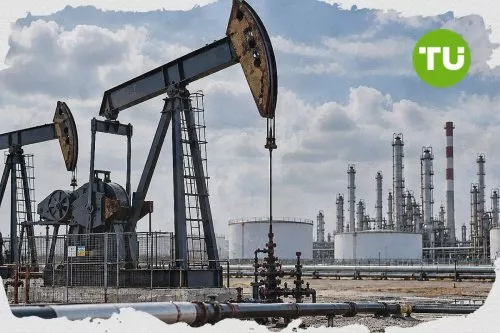
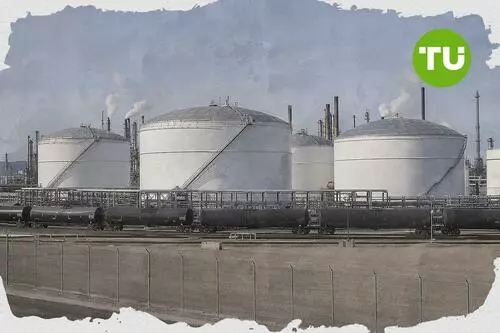
Oil markets are rallying as traders weigh mounting threats to Middle East shipping routes and renewed attacks on Russian energy assets. U.S. crude rises above $100 a barrel on Friday, while a sharp draw in domestic inventories adds to concerns over near-term supply tightness.
Highlights
- U.S. West Texas Intermediate futures rise 2.9% to $100.78 per barrel and Brent crude climbs 3.3% to $109.37 per barrel on supply fears.
- Nine commercial ships attacked near the Strait of Hormuz and a missile sinks the GFS Pride, escalating risks to a crucial oil transit route.
- U.S. crude inventories fall by more than 8 million barrels due to Gulf Coast production shut-ins from Hurricane Isaias, tightening supply further.
Shipping disruptions and supply pressure
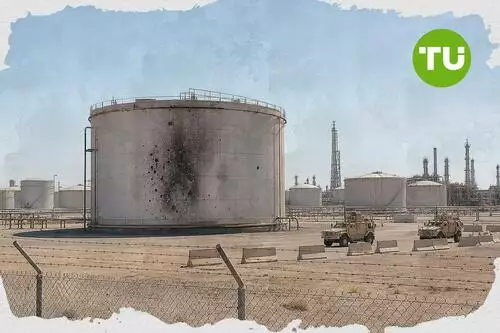
As reported by CNBC, U.S. West Texas Intermediate futures are up 2.9% at $100.78 per barrel, while Brent crude, the international benchmark, is 3.3% higher at $109.37 per barrel.At least nine commercial ships have come under attack this week in or near the Strait of Hormuz. U.S. Central Command says an Iranian missile attack sank the container ship GFS Pride in the strait on Wednesday, intensifying concern over the security of one of the world's most important oil transit routes.
U.S. commercial inventories also post a draw of more than 8 million barrels for the week ended Oct. 9, reflecting production shut-ins on the Gulf Coast caused by Hurricane Isaias.
Ukraine strikes add to energy market volatility
The oil move is also supported by a renewed escalation tied to the war between Russia and Ukraine. The “energy ceasefire” declared by President Donald Trump between the two countries is quickly unraveling as Russia continues attacking Ukrainian infrastructure despite the supposed truce.President Volodymyr Zelenskyy says Ukraine will resume strikes on Russian refineries in retaliation. That raises the risk of further disruption to refined product flows and reinforces a broader risk premium across global energy markets.
Our earlier article on the surge in crude oil shipping costs explained how conflict-related risks in key routes like the Strait of Hormuz and the Red Sea have sent tanker freight and insurance rates sharply higher. We noted that these added transport costs are increasingly being priced into oil, lifting fuel prices and spreading inflationary pressure to goods that depend on global shipping.





Latest WTI News


-
 Afghanistan
-
 Albania
-
 Algeria
-
 Angola
-
 Argentina
-
 Armenia
-
 Australia
-
 Austria
-
 Azerbaijan
-
 Bahamas
-
 Bahrain
-
 Bangladesh
-
 Belarus
-
 Belgium
-
 Bolivia
-
 Botswana
-
 Brazil
-
 Brunei
-
 Bulgaria
-
 Cambodia
-
 Cameroon
-
 Canada
-
 Chile
-
 China
-
 Colombia
-
 Congo
-
 Costa Rica
-
 Cote d'Ivoire
-
 Croatia
-
 Cuba
-
 Cyprus
-
 Czechia
-
 DR Congo
-
 Denmark
-
 Dominican Republic
-
 Ecuador
-
 Egypt
-
 El Salvador
-
 Estonia
-
 Eswatini
-
 Ethiopia
-
 Finland
-
 France
-
 Georgia
-
 Germany
-
 Ghana
-
 Greece
-
 Haiti
-
 Hong Kong
-
 Hungary
-
 India
-
 Indonesia
-
 Iran, Islamic republic
-
 Iraq
-
 Ireland
-
 Israel
-
 Italy
-
 Jamaica
-
 Japan
-
 Jordan
-
 Kazakhstan
-
 Kenya
-
 Korea
-
 Kuwait
-
 Kyrgyzstan
-
 Laos
-
 Latvia
-
 Lebanon
-
 Lesotho
-
 Libya
-
 Lithuania
-
 Luxembourg
-
 Madagascar
-
 Malaysia
-
 Malta
-
 Mauritius
-
 Mexico
-
 Moldova
-
 Mongolia
-
 Montenegro
-
 Morocco
-
 Mozambique
-
 Myanmar
-
 Namibia
-
 Nepal
-
 Netherlands
-
 New Zealand
-
 Nigeria
-
 North Macedonia
-
 Norway
-
 Oman
-
 Pakistan
-
 Palestine
-
 Panama
-
 Papua New Guinea
-
 Paraguay
-
 Peru
-
 Philippines
-
 Poland
-
 Portugal
-
 Puerto Rico
-
 Qatar
-
 Reunion
-
 Romania
-
 Rwanda
-
 Saudi Arabia
-
 Serbia
-
 Singapore
-
 Slovakia
-
 Slovenia
-
 Somalia
-
 South Africa
-
 Spain
-
 Sri Lanka
-
 Sweden
-
 Switzerland
-
 Syria
-
 Taiwan
-
 Tajikistan
-
 Tanzania
-
 Thailand
-
 Trinidad and Tobago
-
 Tunisia
-
 Turkey
-
 UAE
-
 Uganda
-
 Ukraine
-
 United Kingdom
-
United States
-
 Uruguay
-
 Uzbekistan
-
 Venezuela
-
 Vietnam
-
 Yemen
-
 Zambia
-
 Zimbabwe
- Forex
- Crypto












