

Oil market rally deepens as Brent tops $110 on Middle East tensions

Escalating attacks around Saudi Arabian energy infrastructure are driving a fresh jump in crude prices and reviving concerns over global supply security. Brent briefly trades above $110 a barrel for the first time since May, while U.S. benchmark West Texas Intermediate moves past $100 amid fears of further disruption.
Highlights
- Brent crude jumps 3.7 per cent to $109.86 a barrel, topping $110 for the first time in five months amid missile interceptions in Saudi Arabia.
- West Texas Intermediate settles 3.5 per cent higher at $101.41, its highest since mid-September, with a 10.4 per cent weekly gain as supply fears mount.
- Repeated Houthi and Iranian-backed attacks on Saudi and regional energy infrastructure raise concerns over persistent supply disruptions and inability to ease the oil market crunch.
Missile interceptions intensify supply concerns
As reported by Financial Times, oil prices surge after Saudi Arabian-led military forces say they intercept and destroy ballistic missiles aimed at some of the kingdom’s main energy hubs.Brent crude, the international benchmark, settles 3.7 per cent higher at $109.86 a barrel after earlier hitting $110 for the first time in five months. West Texas Intermediate, the U.S. benchmark, tops $100 a barrel for the first time in a month and settles 3.5 per cent higher at $101.41 on Friday afternoon, its highest level since mid-September.
For the week, WTI gains 10.4 per cent while Brent rises by almost 5 per cent. Traders are reacting to concerns that a wave of Houthi attacks on key Saudi infrastructure could further disrupt crude supplies.
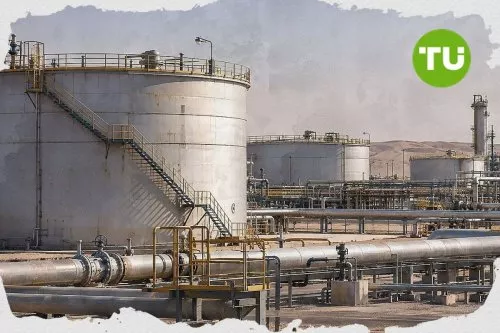
The Saudi-led Coalition to Support Legitimacy in Yemen says earlier on Friday that its troops intercept a ballistic missile launched toward Yanbu, one of Saudi Arabia’s largest oil refining and petrochemical centres. Coalition spokesman Turki al-Maliki says forces also destroy two cruise missiles over the Red Sea and three drones in the southern region and Riyadh region.
Regional conflict adds pressure to oil flows
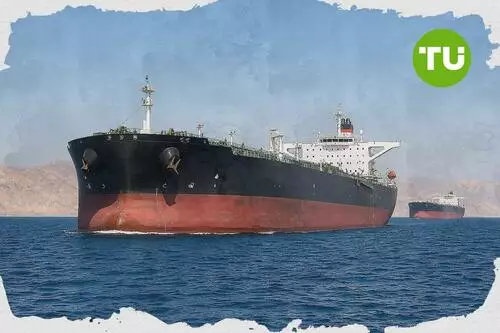
Iranian attacks against shipping in the Strait of Hormuz, a narrow chokepoint linking the Persian Gulf and the Gulf of Oman, increase over the past week. Yemen’s Houthi rebels, backed by Tehran, also step up attacks against targets in Saudi Arabia, including a missile strike against the headquarters of state oil company Saudi Aramco.Analysts say the repeated Houthi attacks on major energy export centres show the Middle East crisis is far from over and is likely to keep frustrating global efforts to ease a supply crunch in oil and petroleum products such as diesel.
Helima Croft, global head of commodity strategy at RBC Capital Markets, says the ongoing missile attacks show the region is nowhere near normal and cast doubt on whether recent export gains signal any path to de-escalation. Schreiner Parker, an analyst at Rystad Energy, says attacks on Yanbu are especially worrying because the hub plays a critical role in handling crude moved through the East-West pipeline as tanker threats persist in the Strait of Hormuz.
Our earlier article on the WTO’s warning about lasting trade disruptions from the Middle East war explained that escalating conflicts are forcing companies to redesign supply chains and shift shipping routes toward costlier but more resilient alternatives. It also highlighted the WTO’s projection that Middle East trade would contract sharply in 2024, with the Strait of Hormuz and other regional chokepoints remaining key sources of risk even if fighting later eases.









-
 Afghanistan
-
 Albania
-
 Algeria
-
 Angola
-
 Argentina
-
 Armenia
-
 Australia
-
 Austria
-
 Azerbaijan
-
 Bahamas
-
 Bahrain
-
 Bangladesh
-
 Belarus
-
 Belgium
-
 Bolivia
-
 Botswana
-
 Brazil
-
 Brunei
-
 Bulgaria
-
 Cambodia
-
 Cameroon
-
 Canada
-
 Chile
-
 China
-
 Colombia
-
 Congo
-
 Costa Rica
-
 Cote d'Ivoire
-
 Croatia
-
 Cuba
-
 Cyprus
-
 Czechia
-
 DR Congo
-
 Denmark
-
 Dominican Republic
-
 Ecuador
-
 Egypt
-
 El Salvador
-
 Estonia
-
 Eswatini
-
 Ethiopia
-
 Finland
-
 France
-
 Georgia
-
 Germany
-
 Ghana
-
 Greece
-
 Haiti
-
 Hong Kong
-
 Hungary
-
 India
-
 Indonesia
-
 Iran, Islamic republic
-
 Iraq
-
 Ireland
-
 Israel
-
 Italy
-
 Jamaica
-
 Japan
-
 Jordan
-
 Kazakhstan
-
 Kenya
-
 Korea
-
 Kuwait
-
 Kyrgyzstan
-
 Laos
-
 Latvia
-
 Lebanon
-
 Lesotho
-
 Libya
-
 Lithuania
-
 Luxembourg
-
 Madagascar
-
 Malaysia
-
 Malta
-
 Mauritius
-
 Mexico
-
 Moldova
-
 Mongolia
-
 Montenegro
-
 Morocco
-
 Mozambique
-
 Myanmar
-
 Namibia
-
 Nepal
-
 Netherlands
-
 New Zealand
-
 Nigeria
-
 North Macedonia
-
 Norway
-
 Oman
-
 Pakistan
-
 Palestine
-
 Panama
-
 Papua New Guinea
-
 Paraguay
-
 Peru
-
 Philippines
-
 Poland
-
 Portugal
-
 Puerto Rico
-
 Qatar
-
 Reunion
-
 Romania
-
 Rwanda
-
 Saudi Arabia
-
 Serbia
-
 Singapore
-
 Slovakia
-
 Slovenia
-
 Somalia
-
 South Africa
-
 Spain
-
 Sri Lanka
-
 Sweden
-
 Switzerland
-
 Syria
-
 Taiwan
-
 Tajikistan
-
 Tanzania
-
 Thailand
-
 Trinidad and Tobago
-
 Tunisia
-
 Turkey
-
 UAE
-
 Uganda
-
 Ukraine
-
 United Kingdom
-
United States
-
 Uruguay
-
 Uzbekistan
-
 Venezuela
-
 Vietnam
-
 Yemen
-
 Zambia
-
 Zimbabwe
- Forex
- Crypto












