

U.S. officials warn Iran blockade could drive premiums higher

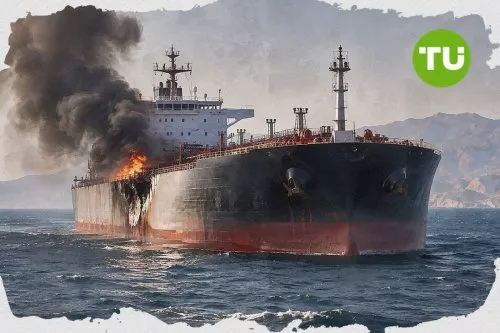
The U.S. blockade of Iran is adding to soaring marine insurance costs in the Persian Gulf, according to an internal American government warning. Commercial vessels face growing risks from military enforcement and attacks across regional waters, threatening shipping capacity and raising the cost of transporting oil and other commodities.
Highlights
- Gulf tanker insurance costs have surged roughly 200-fold.
- U.S. officials warned of rising premiums and reduced shipping capacity.
- Wider maritime threats threaten freight costs and commodity supplies.
The U.S. Maritime Administration (MARAD) acknowledged the economic consequences of the blockade in correspondence obtained through a public records request, Al Jazeera reported. The documents show officials examining how attacks on merchant vessels were affecting war-risk insurance premiums and insurers' willingness to provide coverage.
U.S. officials flag widening insurance risks
MARAD administrator Stephen M Carmel circulated an alert on October 12 after U.S. Central Command disabled the Panama-flagged bulk carrier Ocean Molica for allegedly attempting to breach the blockade. The warning also referenced three other tanker attacks near the Strait of Hormuz whose perpetrators had not been identified.
The alert described threats extending beyond the strait into the Gulf of Oman and nearby anchorages. Officials identified further premium increases, crew reluctance, and reduced effective tanker capacity as potential consequences. Carmel subsequently requested information from MARAD's marine insurance office about market conditions and efforts to restore war-risk coverage.
War-risk premiums surge across Gulf routes
Insurance costs have risen sharply since the U.S.-Iran conflict began in February. According to OPEC figures cited in the report, insurance expenses for tankers carrying Middle Eastern crude to East Asia increased roughly 200-fold between January and late October, reaching $12.29 per barrel.
Industry estimates presented to Singapore's parliament showed war-risk premiums ranging from 3.5% to 7.5% of a vessel's market value in July, compared with 0.10% to 0.25% before the conflict. The International Maritime Organization has recorded approximately 130 attacks on vessels since hostilities began, including 35 in October, with at least 25 seafarers killed.
Rising premiums threaten global trade flows
The financial consequences extend beyond vessels passing directly through Hormuz. Ships approaching ports, waiting at anchor or operating in the Gulf of Oman may also face higher insurance costs. Insurers assess each vessel's route, cargo, value and exposure period, meaning premiums vary considerably. Nevertheless, the broader threat can discourage shipowners from entering the region, reducing available capacity and increasing freight rates.
The disruption has contributed to wider commodity price pressures, with crude oil and fertilizer prices rising as much as 60% and 112%, respectively, at different points during the conflict. Higher insurance expenses can ultimately reach importers and consumers through increased transportation costs. With Washington and Tehran still lacking a lasting settlement, shipping companies face continued uncertainty over coverage and vessel availability.
As we previously reported, IEA warns Hormuz disruption could reshape global oil markets.






Latest Iran war News




-
 Afghanistan
-
 Albania
-
 Algeria
-
 Angola
-
 Argentina
-
 Armenia
-
 Australia
-
 Austria
-
 Azerbaijan
-
 Bahamas
-
 Bahrain
-
 Bangladesh
-
 Belarus
-
 Belgium
-
 Bolivia
-
 Botswana
-
 Brazil
-
 Brunei
-
 Bulgaria
-
 Cambodia
-
 Cameroon
-
 Canada
-
 Chile
-
 China
-
 Colombia
-
 Congo
-
 Costa Rica
-
 Cote d'Ivoire
-
 Croatia
-
 Cuba
-
 Cyprus
-
 Czechia
-
 DR Congo
-
 Denmark
-
 Dominican Republic
-
 Ecuador
-
 Egypt
-
 El Salvador
-
 Estonia
-
 Eswatini
-
 Ethiopia
-
 Finland
-
 France
-
 Georgia
-
 Germany
-
 Ghana
-
 Greece
-
 Haiti
-
 Hong Kong
-
 Hungary
-
 India
-
 Indonesia
-
 Iran, Islamic republic
-
 Iraq
-
 Ireland
-
 Israel
-
 Italy
-
 Jamaica
-
 Japan
-
 Jordan
-
 Kazakhstan
-
 Kenya
-
 Korea
-
 Kuwait
-
 Kyrgyzstan
-
 Laos
-
 Latvia
-
 Lebanon
-
 Lesotho
-
 Libya
-
 Lithuania
-
 Luxembourg
-
 Madagascar
-
 Malaysia
-
 Malta
-
 Mauritius
-
 Mexico
-
 Moldova
-
 Mongolia
-
 Montenegro
-
 Morocco
-
 Mozambique
-
 Myanmar
-
 Namibia
-
 Nepal
-
 Netherlands
-
 New Zealand
-
 Nigeria
-
 North Macedonia
-
 Norway
-
 Oman
-
 Pakistan
-
 Palestine
-
 Panama
-
 Papua New Guinea
-
 Paraguay
-
 Peru
-
 Philippines
-
 Poland
-
 Portugal
-
 Puerto Rico
-
 Qatar
-
 Reunion
-
 Romania
-
 Rwanda
-
 Saudi Arabia
-
 Serbia
-
 Singapore
-
 Slovakia
-
 Slovenia
-
 Somalia
-
 South Africa
-
 Spain
-
 Sri Lanka
-
 Sweden
-
 Switzerland
-
 Syria
-
 Taiwan
-
 Tajikistan
-
 Tanzania
-
 Thailand
-
 Trinidad and Tobago
-
 Tunisia
-
 Turkey
-
 UAE
-
 Uganda
-
 Ukraine
-
 United Kingdom
-
United States
-
 Uruguay
-
 Uzbekistan
-
 Venezuela
-
 Vietnam
-
 Yemen
-
 Zambia
-
 Zimbabwe
- Forex
- Crypto












