

Philippines explores U.S. role in strategic oil reserve plan

The Philippines is expanding energy security talks with the U.S. as it seeks to reduce exposure to global supply disruptions and strengthen its long-term fuel resilience. Discussions also cover nuclear, geothermal and natural hydrogen cooperation, widening the scope of bilateral energy ties beyond emergency oil stockpiling.
Highlights
- Philippine and U.S. energy chiefs met on Oct. 15 in Washington, D.C. to discuss possible U.S. involvement in establishing a Philippine strategic oil reserve.
- The Philippines reviewed nuclear cooperation progress under the 123 Agreement, targeting 1,200 MW of nuclear capacity by 2032, rising to 4,800 MW by 2050.
- Koloma holds three natural hydrogen exploration contracts covering over 4,100 square kilometers, as the Philippines seeks to boost indigenous resource development and energy resilience.
Energy security talks and reserve planning
As reported by BusinessWorld, citing the Philippine Department of Energy, Energy Secretary Sharon S. Garin and U.S. Energy Secretary Chris Wright discuss possible U.S. involvement in building the Philippine strategic oil reserve during a meeting in Washington, D.C., on Oct. 15. The talks include ways for the Philippines to draw on U.S. experience in emergency oil stockpiling and in preparing for international supply disruptions.Garin says stronger cooperation with the U.S. will help the Philippines diversify energy sources, develop indigenous resources and build technical capabilities needed for long-term energy security. The broader areas under discussion include liquefied natural gas, coal, geothermal and nuclear energy, as well as natural hydrogen.
The government is pursuing a strategic petroleum reserve as the Philippines remains a net oil importer and vulnerable to external shocks. The DoE says the country was among those hardest hit by the U.S.-Israel war on Iran, which disrupted oil supplies from the Middle East.
Broader cooperation in nuclear and domestic resources
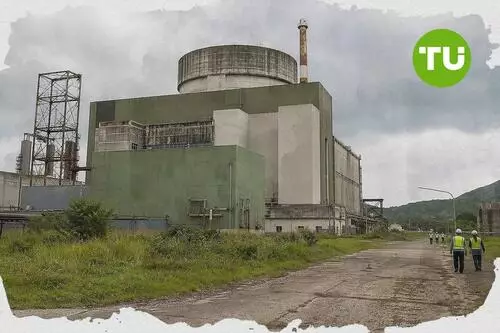
The two officials also review progress on earlier nuclear cooperation projects under the Agreement for Cooperation Concerning Peaceful Uses of Nuclear Energy, or the 123 Agreement, which was signed in 2023 and came into force in 2024. They discuss U.S. support for the Philippines' nuclear power preparations, including a program aimed at building technical and institutional capacity for the safe and responsible development of small modular reactors.The U.S. Trade and Development Agency will organize a reverse trade mission linking Philippine officials and industry representatives with U.S. nuclear technology providers and experts in financing, regulation and workforce development. Under the Philippine Energy Plan, the country targets at least 1,200 megawatts of nuclear capacity by 2032, rising to 2,400 MW by 2045 and 4,800 MW by 2050.
On indigenous energy, the discussions also cover geothermal opportunities and natural hydrogen, including Koloma's exploration activities in the Philippines. The company holds three natural hydrogen exploration service contracts covering more than 4,100 square kilometers in Central Luzon and western Zambales, while the DoE says it continues to pursue international partnerships that support resilience, domestic resource development and wider access to reliable and affordable energy.
In our earlier article on conflict-driven oil shipping cost spikes, we explained how attacks and rerouting risks around key chokepoints pushed tanker rates sharply higher, making freight a much larger share of the delivered oil price. We also noted that import-dependent markets, including the Philippines, are among the most exposed because higher transport and insurance costs quickly feed through into domestic fuel and consumer prices.






Latest Philippines News



-
 Afghanistan
-
 Albania
-
 Algeria
-
 Angola
-
 Argentina
-
 Armenia
-
 Australia
-
 Austria
-
 Azerbaijan
-
 Bahamas
-
 Bahrain
-
 Bangladesh
-
 Belarus
-
 Belgium
-
 Bolivia
-
 Botswana
-
 Brazil
-
 Brunei
-
 Bulgaria
-
 Cambodia
-
 Cameroon
-
 Canada
-
 Chile
-
 China
-
 Colombia
-
 Congo
-
 Costa Rica
-
 Cote d'Ivoire
-
 Croatia
-
 Cuba
-
 Cyprus
-
 Czechia
-
 DR Congo
-
 Denmark
-
 Dominican Republic
-
 Ecuador
-
 Egypt
-
 El Salvador
-
 Estonia
-
 Eswatini
-
 Ethiopia
-
 Finland
-
 France
-
 Georgia
-
 Germany
-
 Ghana
-
 Greece
-
 Haiti
-
 Hong Kong
-
 Hungary
-
 India
-
 Indonesia
-
 Iran, Islamic republic
-
 Iraq
-
 Ireland
-
 Israel
-
 Italy
-
 Jamaica
-
 Japan
-
 Jordan
-
 Kazakhstan
-
 Kenya
-
 Korea
-
 Kuwait
-
 Kyrgyzstan
-
 Laos
-
 Latvia
-
 Lebanon
-
 Lesotho
-
 Libya
-
 Lithuania
-
 Luxembourg
-
 Madagascar
-
 Malaysia
-
 Malta
-
 Mauritius
-
 Mexico
-
 Moldova
-
 Mongolia
-
 Montenegro
-
 Morocco
-
 Mozambique
-
 Myanmar
-
 Namibia
-
 Nepal
-
 Netherlands
-
 New Zealand
-
 Nigeria
-
 North Macedonia
-
 Norway
-
 Oman
-
 Pakistan
-
 Palestine
-
 Panama
-
 Papua New Guinea
-
 Paraguay
-
 Peru
-
 Philippines
-
 Poland
-
 Portugal
-
 Puerto Rico
-
 Qatar
-
 Reunion
-
 Romania
-
 Rwanda
-
 Saudi Arabia
-
 Serbia
-
 Singapore
-
 Slovakia
-
 Slovenia
-
 Somalia
-
 South Africa
-
 Spain
-
 Sri Lanka
-
 Sweden
-
 Switzerland
-
 Syria
-
 Taiwan
-
 Tajikistan
-
 Tanzania
-
 Thailand
-
 Trinidad and Tobago
-
 Tunisia
-
 Turkey
-
 UAE
-
 Uganda
-
 Ukraine
-
 United Kingdom
-
United States
-
 Uruguay
-
 Uzbekistan
-
 Venezuela
-
 Vietnam
-
 Yemen
-
 Zambia
-
 Zimbabwe
- Forex
- Crypto












