

Brent oil price tops $111 as Middle East tensions escalate

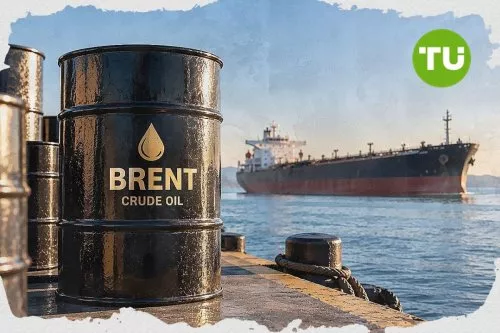
Oil prices climbed on Tuesday, with Brent crude reaching a five-month high as reports of attacks on commercial vessels and Saudi infrastructure heightened fears of supply disruptions. The escalation in regional hostilities added pressure to an already strained energy market, keeping traders focused on the security of Middle Eastern oil exports.
Highlights
- Brent reaches a five-month high amid supply fears.
- Houthi claims put Saudi energy sites in focus.
- Vessel attacks threaten Middle East oil shipments.
December Brent crude futures are trading at $110.43 per barrel, up 0.80%, while December WTI crude futures have risen 1.10% to $99.62 per barrel. Brent earlier briefly reached $111.75 per barrel, its highest level since May, according to Reuters.
Houthi attacks raise concerns over Saudi oil facilities
Yemen's Iran-aligned Houthis said they had launched strikes against Saudi energy, aviation, and military infrastructure on Monday. The claimed targets included an Aramco facility in Yanbu, the Shaybah oilfield, King Khalid International Airport in Riyadh, and Abha airport.
Saudi authorities did not immediately confirm the reported attacks. Their potential significance nevertheless extends beyond the facilities themselves, given Saudi Arabia's role as a major crude exporter and the importance of its energy infrastructure to international markets.
Yanbu is a particularly sensitive location because it serves as a Red Sea outlet for Saudi oil shipments. Any disruption to export operations or associated infrastructure could complicate efforts to maintain supply while other regional shipping routes face security threats.
Vessel attacks increase pressure on regional shipping
Concerns about maritime security have intensified alongside the reported strikes on Saudi targets. Shipping intelligence company Kpler said at least 18 vessels had reportedly been attacked over the previous two weeks, highlighting the persistent dangers facing commercial traffic.
The latest escalation followed a deadly Houthi attack on a government security training camp in Yemen's Shabwa province. Local authorities reported 58 people killed and more than 200 wounded, adding to concerns about the conflict's regional consequences.
Repeated attacks on vessels can affect energy trade even without confirmed damage to production facilities. Higher insurance premiums, additional security measures, and potential route changes can increase the cost of transporting crude and delay deliveries.
Supply uncertainty keeps oil markets under pressure
The renewed violence has increased the risk premium attached to Middle Eastern crude. Traders are assessing whether attacks could interrupt production, restrict export infrastructure, or discourage shipping companies from operating in exposed waterways.
U.S. inventory expectations have added another consideration. A preliminary analyst survey indicated that crude oil and refined product stockpiles likely declined last week, suggesting that domestic inventories may offer limited relief if overseas supply disruptions intensify.
For importing countries, sustained instability could raise fuel and transportation costs and contribute to broader inflation pressures. The market's next direction will depend heavily on whether regional attacks continue and whether major oil producers can maintain reliable export flows.
We also reported Houthis expand campaign as attacks raise pressure on Saudi economy.










-
 Afghanistan
-
 Albania
-
 Algeria
-
 Angola
-
 Argentina
-
 Armenia
-
 Australia
-
 Austria
-
 Azerbaijan
-
 Bahamas
-
 Bahrain
-
 Bangladesh
-
 Belarus
-
 Belgium
-
 Bolivia
-
 Botswana
-
 Brazil
-
 Brunei
-
 Bulgaria
-
 Cambodia
-
 Cameroon
-
 Canada
-
 Chile
-
 China
-
 Colombia
-
 Congo
-
 Costa Rica
-
 Cote d'Ivoire
-
 Croatia
-
 Cuba
-
 Cyprus
-
 Czechia
-
 DR Congo
-
 Denmark
-
 Dominican Republic
-
 Ecuador
-
 Egypt
-
 El Salvador
-
 Estonia
-
 Eswatini
-
 Ethiopia
-
 Finland
-
 France
-
 Georgia
-
 Germany
-
 Ghana
-
 Greece
-
 Haiti
-
 Hong Kong
-
 Hungary
-
 India
-
 Indonesia
-
 Iran, Islamic republic
-
 Iraq
-
 Ireland
-
 Israel
-
 Italy
-
 Jamaica
-
 Japan
-
 Jordan
-
 Kazakhstan
-
 Kenya
-
 Korea
-
 Kuwait
-
 Kyrgyzstan
-
 Laos
-
 Latvia
-
 Lebanon
-
 Lesotho
-
 Libya
-
 Lithuania
-
 Luxembourg
-
 Madagascar
-
 Malaysia
-
 Malta
-
 Mauritius
-
 Mexico
-
 Moldova
-
 Mongolia
-
 Montenegro
-
 Morocco
-
 Mozambique
-
 Myanmar
-
 Namibia
-
 Nepal
-
 Netherlands
-
 New Zealand
-
 Nigeria
-
 North Macedonia
-
 Norway
-
 Oman
-
 Pakistan
-
 Palestine
-
 Panama
-
 Papua New Guinea
-
 Paraguay
-
 Peru
-
 Philippines
-
 Poland
-
 Portugal
-
 Puerto Rico
-
 Qatar
-
 Reunion
-
 Romania
-
 Rwanda
-
 Saudi Arabia
-
 Serbia
-
 Singapore
-
 Slovakia
-
 Slovenia
-
 Somalia
-
 South Africa
-
 Spain
-
 Sri Lanka
-
 Sweden
-
 Switzerland
-
 Syria
-
 Taiwan
-
 Tajikistan
-
 Tanzania
-
 Thailand
-
 Trinidad and Tobago
-
 Tunisia
-
 Turkey
-
 UAE
-
 Uganda
-
 Ukraine
-
 United Kingdom
-
United States
-
 Uruguay
-
 Uzbekistan
-
 Venezuela
-
 Vietnam
-
 Yemen
-
 Zambia
-
 Zimbabwe
- Forex
- Crypto












