

Bunge tops profit estimates as oilseed crush margins support third-quarter earnings

Higher soybean and oilseed processing margins lift Bunge's third-quarter earnings above Wall Street expectations. The result comes as stronger U.S. crop prices and higher oil prices tied to the Iran conflict reshape grain flows and biofuel-linked demand.
Highlights
- Bunge reports adjusted profit of $2.56 per share for Q3, beating consensus estimate of $2.44 per share, as oilseed crush margins improve.
- Net sales rise in soybean processing and refining by 5.4% to $11.4 billion, with softseed processing and refining up to $4.3 billion from $3.6 billion year-on-year.
- Surging U.S. corn and soybean prices following the Iran conflict boost grain selling activity, benefiting Bunge and other major handlers amid higher biofuel crop prices.
Quarterly earnings and segment sales
As reported by Reuters, Bunge posts adjusted profit of $2.56 per share for the three months ended September 30, above analysts' average estimate of $2.44 per share, according to data compiled by LSEG.Net sales from soybean processing and refining rise 5.4% from a year earlier to $11.4 billion in the quarter. Bunge's softseed processing and refining segment reports quarterly net sales of $4.3 billion, up from $3.6 billion a year ago, while net sales at its grain merchandising and milling segment increase 5.2% to $6.76 billion.
Conflict-driven commodity moves support trading activity
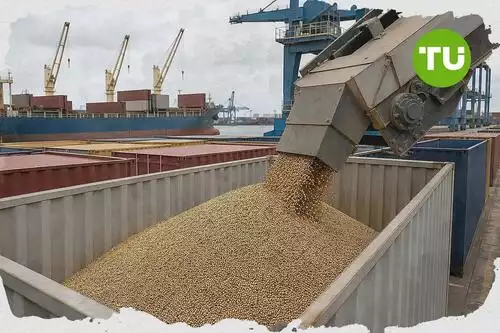
U.S. corn and soybean prices have surged since the start of the Iran conflict, prompting farmers to accelerate sales of grain from last year's harvest after months of holding back supplies amid persistently weak prices.The rally, fueled by U.S. and Israeli strikes on Iran, has triggered a wave of selling across the Midwest, with farmers moving corn, soybeans and wheat from storage bins to ethanol makers and major grain handlers such as Archer-Daniels-Midland and Bunge. Oil prices also spike because of the war, raising prices for crops used to make biofuels.
Peer ADM is set to report results on November 3.
In our earlier article on the WTO’s warning about the lasting trade impact of the Middle East war, we explained how repeated conflict-driven disruptions are pushing companies to redesign supply chains and shipping routes for greater resilience, even at higher cost. The WTO also flagged a sharp contraction in Middle East trade tied to the Iran war and noted that diversification and regional trade could accelerate as firms plan for continued volatility.








-
 Afghanistan
-
 Albania
-
 Algeria
-
 Angola
-
 Argentina
-
 Armenia
-
 Australia
-
 Austria
-
 Azerbaijan
-
 Bahamas
-
 Bahrain
-
 Bangladesh
-
 Belarus
-
 Belgium
-
 Bolivia
-
 Botswana
-
 Brazil
-
 Brunei
-
 Bulgaria
-
 Cambodia
-
 Cameroon
-
 Canada
-
 Chile
-
 China
-
 Colombia
-
 Congo
-
 Costa Rica
-
 Cote d'Ivoire
-
 Croatia
-
 Cuba
-
 Cyprus
-
 Czechia
-
 DR Congo
-
 Denmark
-
 Dominican Republic
-
 Ecuador
-
 Egypt
-
 El Salvador
-
 Estonia
-
 Eswatini
-
 Ethiopia
-
 Finland
-
 France
-
 Georgia
-
 Germany
-
 Ghana
-
 Greece
-
 Haiti
-
 Hong Kong
-
 Hungary
-
 India
-
 Indonesia
-
 Iran, Islamic republic
-
 Iraq
-
 Ireland
-
 Israel
-
 Italy
-
 Jamaica
-
 Japan
-
 Jordan
-
 Kazakhstan
-
 Kenya
-
 Korea
-
 Kuwait
-
 Kyrgyzstan
-
 Laos
-
 Latvia
-
 Lebanon
-
 Lesotho
-
 Libya
-
 Lithuania
-
 Luxembourg
-
 Madagascar
-
 Malaysia
-
 Malta
-
 Mauritius
-
 Mexico
-
 Moldova
-
 Mongolia
-
 Montenegro
-
 Morocco
-
 Mozambique
-
 Myanmar
-
 Namibia
-
 Nepal
-
 Netherlands
-
 New Zealand
-
 Nigeria
-
 North Macedonia
-
 Norway
-
 Oman
-
 Pakistan
-
 Palestine
-
 Panama
-
 Papua New Guinea
-
 Paraguay
-
 Peru
-
 Philippines
-
 Poland
-
 Portugal
-
 Puerto Rico
-
 Qatar
-
 Reunion
-
 Romania
-
 Rwanda
-
 Saudi Arabia
-
 Serbia
-
 Singapore
-
 Slovakia
-
 Slovenia
-
 Somalia
-
 South Africa
-
 Spain
-
 Sri Lanka
-
 Sweden
-
 Switzerland
-
 Syria
-
 Taiwan
-
 Tajikistan
-
 Tanzania
-
 Thailand
-
 Trinidad and Tobago
-
 Tunisia
-
 Turkey
-
 UAE
-
 Uganda
-
 Ukraine
-
 United Kingdom
-
United States
-
 Uruguay
-
 Uzbekistan
-
 Venezuela
-
 Vietnam
-
 Yemen
-
 Zambia
-
 Zimbabwe
- Forex
- Crypto












