

Pakistan opens tax-free oil storage for Saudi companies

Pakistan is seeking to draw Saudi investment into its energy infrastructure by allowing commercial oil reserves to be set up without local tax liabilities. The move is designed to improve supply route flexibility for Saudi exporters and position Pakistan as a wider regional energy gateway.
Highlights
- Pakistan approved a tax-neutral bonded policy allowing Saudi companies to build oil reserves and storage facilities without local tax liabilities.
- The policy lets Saudi firms diversify maritime transit risk from the Strait of Hormuz, boosts access to Asian markets, and supports a planned major oil complex at Hub, Balochistan.
- Pakistan's refinery upgradation programme and collaboration with Saudi Aramco create new investment opportunities, while Yanbu port prioritized Pakistani crude shipments during global disruptions.
Oil storage offer and investment plan
As reported by Business Recorder, the initiative was discussed at a meeting between Petroleum Minister Ali Pervaiz Malik and Saudi Arabia's new ambassador to Pakistan, H.E. Dr Rajeh bin Tami Al-Baqami, as both sides reviewed cooperation in petroleum, mining and energy. The minister said Pakistan has approved a tax-neutral bonded policy, modeled on international energy hubs such as Fujairah and Singapore, to let Saudi companies establish commercial oil reserves in the country without local tax liabilities.The statement says the framework gives Saudi companies an option to diversify maritime transit risks linked to the Strait of Hormuz and the Bab Al Mandeb Strait while improving access to Asian markets. Malik said strategic oil storage in Pakistan would give Saudi Arabia greater flexibility in managing supply routes and serving regional demand.
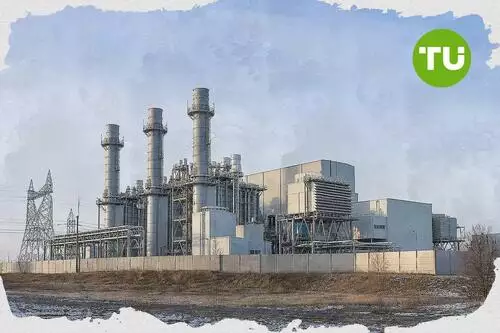
He also pointed to plans for a major petroleum storage and refining complex at Hub in Balochistan under the guidance of Technip Energies UK. The proposed facility is set to handle Very Large Crude Carriers and strengthen Pakistan's role as an energy corridor for Central Asian and Chinese markets.
Broader energy and trade cooperation
Malik also promoted opportunities under Pakistan's refinery upgradation programme, which is aimed at modernizing domestic refining infrastructure, improving efficiency and moving toward Euro 5 fuel standards. He said the programme creates scope for Saudi investment and participation in the country's refining sector.The minister thanked Saudi authorities at Yanbu port for prioritizing crude shipments to Pakistan during recent global market disruptions. He also discussed coordination with Saudi Aramco on possible expanded crude procurement and dedicated LPG cargoes, particularly as Pakistan expects higher domestic gas demand during the winter season.
Alongside the energy agenda, the Saudi ambassador said the embassy in Islamabad has introduced same-day visa processing for Pakistani citizens to support travel and strengthen business, cultural and people-to-people ties. Malik also invited Saudi Vice Minister of Mining Khalid al-Mudafier to attend the Pakistan Minerals Investment Forum in Islamabad on November 12 and 13, adding another channel for bilateral investment talks.
Our earlier report on Strait of Hormuz shipping disruption examined how prolonged uncertainty is starting to hit agriculture, as higher transport and fertilizer costs push farmers to cut inputs and adjust planting decisions. We noted that tighter supply conditions have already lifted agricultural commodity prices and could raise food security risks in parts of Asia and Africa if disruptions persist.









-
 Afghanistan
-
 Albania
-
 Algeria
-
 Angola
-
 Argentina
-
 Armenia
-
 Australia
-
 Austria
-
 Azerbaijan
-
 Bahamas
-
 Bahrain
-
 Bangladesh
-
 Belarus
-
 Belgium
-
 Bolivia
-
 Botswana
-
 Brazil
-
 Brunei
-
 Bulgaria
-
 Cambodia
-
 Cameroon
-
 Canada
-
 Chile
-
 China
-
 Colombia
-
 Congo
-
 Costa Rica
-
 Cote d'Ivoire
-
 Croatia
-
 Cuba
-
 Cyprus
-
 Czechia
-
 DR Congo
-
 Denmark
-
 Dominican Republic
-
 Ecuador
-
 Egypt
-
 El Salvador
-
 Estonia
-
 Eswatini
-
 Ethiopia
-
 Finland
-
 France
-
 Georgia
-
 Germany
-
 Ghana
-
 Greece
-
 Haiti
-
 Hong Kong
-
 Hungary
-
 India
-
 Indonesia
-
 Iran, Islamic republic
-
 Iraq
-
 Ireland
-
 Israel
-
 Italy
-
 Jamaica
-
 Japan
-
 Jordan
-
 Kazakhstan
-
 Kenya
-
 Korea
-
 Kuwait
-
 Kyrgyzstan
-
 Laos
-
 Latvia
-
 Lebanon
-
 Lesotho
-
 Libya
-
 Lithuania
-
 Luxembourg
-
 Madagascar
-
 Malaysia
-
 Malta
-
 Mauritius
-
 Mexico
-
 Moldova
-
 Mongolia
-
 Montenegro
-
 Morocco
-
 Mozambique
-
 Myanmar
-
 Namibia
-
 Nepal
-
 Netherlands
-
 New Zealand
-
 Nigeria
-
 North Macedonia
-
 Norway
-
 Oman
-
 Pakistan
-
 Palestine
-
 Panama
-
 Papua New Guinea
-
 Paraguay
-
 Peru
-
 Philippines
-
 Poland
-
 Portugal
-
 Puerto Rico
-
 Qatar
-
 Reunion
-
 Romania
-
 Rwanda
-
 Saudi Arabia
-
 Serbia
-
 Singapore
-
 Slovakia
-
 Slovenia
-
 Somalia
-
 South Africa
-
 Spain
-
 Sri Lanka
-
 Sweden
-
 Switzerland
-
 Syria
-
 Taiwan
-
 Tajikistan
-
 Tanzania
-
 Thailand
-
 Trinidad and Tobago
-
 Tunisia
-
 Turkey
-
 UAE
-
 Uganda
-
 Ukraine
-
 United Kingdom
-
United States
-
 Uruguay
-
 Uzbekistan
-
 Venezuela
-
 Vietnam
-
 Yemen
-
 Zambia
-
 Zimbabwe
- Forex
- Crypto












