

Oil market rises after report of U.S. strike on Iran's Qeshm Island

Oil prices rise in early Asian trading as fears of a broader U.S.-Iran confrontation renew concerns over supply disruptions in the Middle East. The move follows a sharp selloff in the previous session and refocuses the market on risks to flows through the Strait of Hormuz, a key route for global crude and natural gas shipments.
Highlights
- Brent crude futures climb 0.5% to $105.25 a barrel and WTI rises 0.5% to $96.93 after reports of a U.S. strike on Iran's Qeshm Island.
- Reduced traffic through the Strait of Hormuz, carrying one-fifth of global oil and gas, increases energy market concerns over supply risk and prolonged Middle East export constraints.
- Continued U.S.–Iran war and stalled peace efforts keep gasoline prices elevated, raising political pressure ahead of U.S. midterm elections as Brent ends October at a six-month high.
Trading reaction and conflict developments
As reported by Reuters, citing The Wall Street Journal, the United States has struck Iran's Qeshm Island, citing U.S. officials who say some of the assaults are defensive and intended to prevent Iran from having the freedom to attack commercial ships in the Strait of Hormuz.Brent crude futures rise 48 cents, or 0.5%, to $105.25 a barrel by 0104 GMT, while U.S. West Texas Intermediate crude gains 47 cents, or 0.5%, to $96.93 a barrel. On Monday, Brent settles $8.66, or 7.63%, lower at $104.77 a barrel.
Tim Waterer, chief market analyst at KCM Trade, says the report puts a risk premium back into oil prices after markets had started to price in a more diplomatic path. He says the renewed reminder of military activity shifts market sentiment.
Hormuz supply risks and political pressure
The conflict between the U.S. and Iran, which begins in late February, sharply reduces traffic through the Strait of Hormuz, which previously carries about a fifth of global crude oil and natural gas supplies. That disruption remains a central driver of concern for energy traders watching the potential for prolonged constraints on Middle East exports.Tehran says on Monday that contacts between Iran and the U.S. to end the war are continuing, after days of Iranian talks with Qatari mediators end with altered proposals but no breakthrough. Iranian President Masoud Pezeshkian also says Supreme Leader Ayatollah Mojtaba Khamenei has granted the government certain authorities for peace talks.
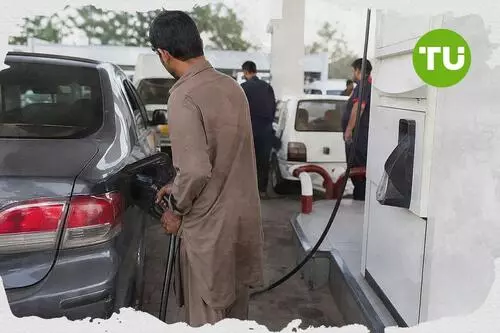
The war remains a major factor behind high gasoline prices that weigh on voters, while Trump faces pressure to bring the conflict to an end. Brent also ends October at its highest level in six months amid concern that the Middle East conflict could escalate again after Tuesday's U.S. midterm elections.
Our earlier article on how shipping disruptions in the Strait of Hormuz are hitting global food supply chains explained that delayed and costlier fertilizer flows are already affecting harvests and planting decisions. We noted that higher fuel and transport costs, alongside constrained fertilizer shipments, were pushing agricultural commodity prices higher and raising food security risks in parts of Asia and Africa.









-
 Afghanistan
-
 Albania
-
 Algeria
-
 Angola
-
 Argentina
-
 Armenia
-
 Australia
-
 Austria
-
 Azerbaijan
-
 Bahamas
-
 Bahrain
-
 Bangladesh
-
 Belarus
-
 Belgium
-
 Bolivia
-
 Botswana
-
 Brazil
-
 Brunei
-
 Bulgaria
-
 Cambodia
-
 Cameroon
-
 Canada
-
 Chile
-
 China
-
 Colombia
-
 Congo
-
 Costa Rica
-
 Cote d'Ivoire
-
 Croatia
-
 Cuba
-
 Cyprus
-
 Czechia
-
 DR Congo
-
 Denmark
-
 Dominican Republic
-
 Ecuador
-
 Egypt
-
 El Salvador
-
 Estonia
-
 Eswatini
-
 Ethiopia
-
 Finland
-
 France
-
 Georgia
-
 Germany
-
 Ghana
-
 Greece
-
 Haiti
-
 Hong Kong
-
 Hungary
-
 India
-
 Indonesia
-
 Iran, Islamic republic
-
 Iraq
-
 Ireland
-
 Israel
-
 Italy
-
 Jamaica
-
 Japan
-
 Jordan
-
 Kazakhstan
-
 Kenya
-
 Korea
-
 Kuwait
-
 Kyrgyzstan
-
 Laos
-
 Latvia
-
 Lebanon
-
 Lesotho
-
 Libya
-
 Lithuania
-
 Luxembourg
-
 Madagascar
-
 Malaysia
-
 Malta
-
 Mauritius
-
 Mexico
-
 Moldova
-
 Mongolia
-
 Montenegro
-
 Morocco
-
 Mozambique
-
 Myanmar
-
 Namibia
-
 Nepal
-
 Netherlands
-
 New Zealand
-
 Nigeria
-
 North Macedonia
-
 Norway
-
 Oman
-
 Pakistan
-
 Palestine
-
 Panama
-
 Papua New Guinea
-
 Paraguay
-
 Peru
-
 Philippines
-
 Poland
-
 Portugal
-
 Puerto Rico
-
 Qatar
-
 Reunion
-
 Romania
-
 Rwanda
-
 Saudi Arabia
-
 Serbia
-
 Singapore
-
 Slovakia
-
 Slovenia
-
 Somalia
-
 South Africa
-
 Spain
-
 Sri Lanka
-
 Sweden
-
 Switzerland
-
 Syria
-
 Taiwan
-
 Tajikistan
-
 Tanzania
-
 Thailand
-
 Trinidad and Tobago
-
 Tunisia
-
 Turkey
-
 UAE
-
 Uganda
-
 Ukraine
-
 United Kingdom
-
United States
-
 Uruguay
-
 Uzbekistan
-
 Venezuela
-
 Vietnam
-
 Yemen
-
 Zambia
-
 Zimbabwe
- Forex
- Crypto












