

Brent oil price falls on the day, remains sharply above year-ago level

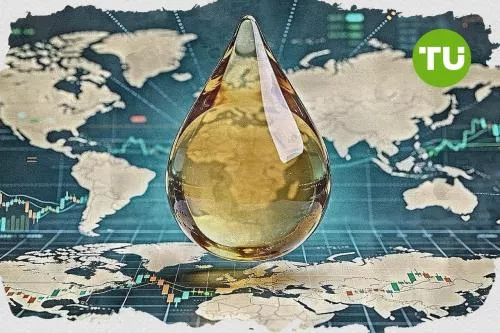
Energy markets remain volatile as Brent crude trades near $100 a barrel on Nov. 5, with prices still well above levels seen a year earlier. The move matters beyond commodity markets because oil costs influence gasoline prices, household energy bills, and input costs across the wider economy.
Highlights
- Brent crude trades at $99.52 per barrel at 6 a.m. Eastern on Nov. 5, down $6.32 from the previous day but $35.50 higher year-over-year.
- Crude oil price swings rapidly amid supply-demand, recession, and geopolitical risks, directly driving over half of retail gasoline pricing.
- High crude prices can boost natural gas demand as industries substitute fuels, with the U.S. Strategic Petroleum Reserve serving as a buffer in crises.
Price moves and drivers of volatility
As reported by Fortune, Brent crude reaches $99.52 per barrel by 6 a.m. Eastern Time on Nov. 5. That is $6.32 below the previous morning's level but about $35.50 higher than a year earlier.Oil prices remain difficult to predict because they respond to shifts in supply and demand as well as broader concerns such as recession, war, and other major disruptions. In periods of elevated uncertainty, prices can change quickly as traders reassess risks to production and consumption.
How higher oil prices affect consumers
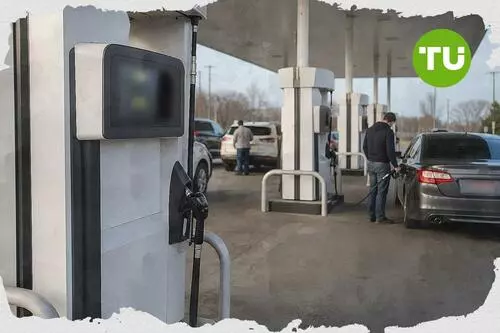
The price drivers extend directly to retail fuel costs. A gallon of gasoline includes crude oil, refining, wholesale distribution, government taxes, and retail station markups, but crude typically makes up more than half of the total and therefore has the biggest effect on pump prices.When oil rises sharply, the increase usually appears quickly at gas stations, while declines in crude often take longer to filter through to consumers, a pattern often described as the rockets-and-feathers effect. The U.S. Strategic Petroleum Reserve also remains a tool for emergencies such as sanctions, severe storm damage, or war, helping protect energy security and cushion extreme supply-driven price spikes.
Oil market moves can also spill over into natural gas. If crude becomes more expensive, some industries may switch parts of their operations to natural gas where possible, increasing demand for that fuel as well.
Our earlier article on the spike in oil shipping costs explained how conflict-related risks are disrupting key tanker routes and pushing freight and insurance premiums sharply higher. We noted that transport expenses were becoming a much larger component of crude pricing, with the added costs filtering through to gasoline prices and broader consumer inflation—especially in import-dependent markets.






Latest Brent News


-
 Afghanistan
-
 Albania
-
 Algeria
-
 Angola
-
 Argentina
-
 Armenia
-
 Australia
-
 Austria
-
 Azerbaijan
-
 Bahamas
-
 Bahrain
-
 Bangladesh
-
 Belarus
-
 Belgium
-
 Bolivia
-
 Botswana
-
 Brazil
-
 Brunei
-
 Bulgaria
-
 Cambodia
-
 Cameroon
-
 Canada
-
 Chile
-
 China
-
 Colombia
-
 Congo
-
 Costa Rica
-
 Cote d'Ivoire
-
 Croatia
-
 Cuba
-
 Cyprus
-
 Czechia
-
 DR Congo
-
 Denmark
-
 Dominican Republic
-
 Ecuador
-
 Egypt
-
 El Salvador
-
 Estonia
-
 Eswatini
-
 Ethiopia
-
 Finland
-
 France
-
 Georgia
-
 Germany
-
 Ghana
-
 Greece
-
 Haiti
-
 Hong Kong
-
 Hungary
-
 India
-
 Indonesia
-
 Iran, Islamic republic
-
 Iraq
-
 Ireland
-
 Israel
-
 Italy
-
 Jamaica
-
 Japan
-
 Jordan
-
 Kazakhstan
-
 Kenya
-
 Korea
-
 Kuwait
-
 Kyrgyzstan
-
 Laos
-
 Latvia
-
 Lebanon
-
 Lesotho
-
 Libya
-
 Lithuania
-
 Luxembourg
-
 Madagascar
-
 Malaysia
-
 Malta
-
 Mauritius
-
 Mexico
-
 Moldova
-
 Mongolia
-
 Montenegro
-
 Morocco
-
 Mozambique
-
 Myanmar
-
 Namibia
-
 Nepal
-
 Netherlands
-
 New Zealand
-
 Nigeria
-
 North Macedonia
-
 Norway
-
 Oman
-
 Pakistan
-
 Palestine
-
 Panama
-
 Papua New Guinea
-
 Paraguay
-
 Peru
-
 Philippines
-
 Poland
-
 Portugal
-
 Puerto Rico
-
 Qatar
-
 Reunion
-
 Romania
-
 Rwanda
-
 Saudi Arabia
-
 Serbia
-
 Singapore
-
 Slovakia
-
 Slovenia
-
 Somalia
-
 South Africa
-
 Spain
-
 Sri Lanka
-
 Sweden
-
 Switzerland
-
 Syria
-
 Taiwan
-
 Tajikistan
-
 Tanzania
-
 Thailand
-
 Trinidad and Tobago
-
 Tunisia
-
 Turkey
-
 UAE
-
 Uganda
-
 Ukraine
-
 United Kingdom
-
United States
-
 Uruguay
-
 Uzbekistan
-
 Venezuela
-
 Vietnam
-
 Yemen
-
 Zambia
-
 Zimbabwe
- Forex
- Crypto












