

Brent crude moves up in market surplus context: Can XBR overcome supply risk constraints?

Brent crude (XBR) is trading higher, with the current move shaped by ongoing shifts in global oil supply and demand dynamics. Market attention is focused on the transition to a surplus environment, which is taking precedence over short-term geopolitical risks. Traders should watch shifts in the fundamental supply-demand balance for further direction.
 94.03
97.16
Highlights
- Brent crude prices declined on November 17, 2026 due to a persistent global oil market surplus driven by higher supply relative to demand.
- Physical oil balances carry greater influence over pricing than geopolitical risks, which have shown limited short-term market impact.
- Brent trades below key technical resistance levels, with bearish momentum and ongoing supply concerns capping any short-term price recovery.
Oil surplus outweighs geopolitical factors in Brent crude
According to FXStreet, as of November 17, 2026, Brent crude prices are being pushed lower by a global oil market surplus, with underlying market fundamentals taking precedence over geopolitical influences.
This surplus reflects sustained increases in global oil supply relative to demand, which has created downward pressure on Brent pricing irrespective of regional geopolitical tensions. The risk channel remains primarily linked to physical oil balances rather than external risk events.
While geopolitical risks remain a backdrop for crude markets, their short-term impact has been limited by the dominance of supply-driven dynamics, as highlighted by recent market behavior. This ongoing surplus condition continues to weigh on price sentiment in the absence of new disruptive events.
Short-term resistance and mixed signals as supply dominates
On the 4H chart, XBR holds below the H4 SMA-20 at $93.42 and the H4 SMA-50 at $93.92, reflecting persistent downward bias despite the current uptick. Technical resistance from the H4 Kijun at $93.63 aligns with short-term supply pressures.
Bearish signals from the MACD and ADX reinforce the view that recent gains remain constrained by prevailing supply conditions. Mixed technical signals caution against a sustained reversal until there is a meaningful shift in either fundamentals or the chart structure.
Supply-demand balance and $93.42 resistance determine direction
External supply pressures continue to pose a downside risk unless the market moves above resistance around $93.42. A break above this zone would be needed to hint at stabilization. Conversely, renewed increases in supply or demand disappointment could prompt further weakness. Monitoring the evolving supply-demand picture remains key for short-term direction.
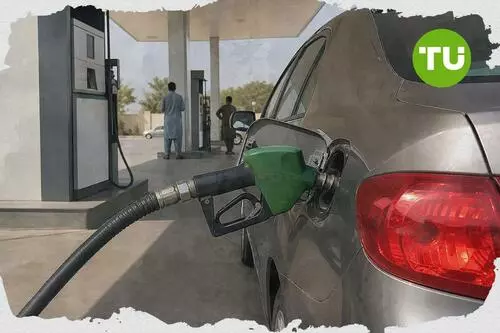
Previously it was reported that fuel prices in Pakistan were revised downward following a global decrease in oil markets influenced by surplus supply expectations. The current analysis builds on this by emphasizing that ongoing supply-demand imbalances remain the primary factor shaping Brent crude's direction, making close monitoring of fundamental shifts essential for anticipating the next significant move.










-
 Afghanistan
-
 Albania
-
 Algeria
-
 Angola
-
 Argentina
-
 Armenia
-
 Australia
-
 Austria
-
 Azerbaijan
-
 Bahamas
-
 Bahrain
-
 Bangladesh
-
 Belarus
-
 Belgium
-
 Bolivia
-
 Botswana
-
 Brazil
-
 Brunei
-
 Bulgaria
-
 Cambodia
-
 Cameroon
-
 Canada
-
 Chile
-
 China
-
 Colombia
-
 Congo
-
 Costa Rica
-
 Cote d'Ivoire
-
 Croatia
-
 Cuba
-
 Cyprus
-
 Czechia
-
 DR Congo
-
 Denmark
-
 Dominican Republic
-
 Ecuador
-
 Egypt
-
 El Salvador
-
 Estonia
-
 Eswatini
-
 Ethiopia
-
 Finland
-
 France
-
 Georgia
-
 Germany
-
 Ghana
-
 Greece
-
 Haiti
-
 Hong Kong
-
 Hungary
-
 India
-
 Indonesia
-
 Iran, Islamic republic
-
 Iraq
-
 Ireland
-
 Israel
-
 Italy
-
 Jamaica
-
 Japan
-
 Jordan
-
 Kazakhstan
-
 Kenya
-
 Korea
-
 Kuwait
-
 Kyrgyzstan
-
 Laos
-
 Latvia
-
 Lebanon
-
 Lesotho
-
 Libya
-
 Lithuania
-
 Luxembourg
-
 Madagascar
-
 Malaysia
-
 Malta
-
 Mauritius
-
 Mexico
-
 Moldova
-
 Mongolia
-
 Montenegro
-
 Morocco
-
 Mozambique
-
 Myanmar
-
 Namibia
-
 Nepal
-
 Netherlands
-
 New Zealand
-
 Nigeria
-
 North Macedonia
-
 Norway
-
 Oman
-
 Pakistan
-
 Palestine
-
 Panama
-
 Papua New Guinea
-
 Paraguay
-
 Peru
-
 Philippines
-
 Poland
-
 Portugal
-
 Puerto Rico
-
 Qatar
-
 Reunion
-
 Romania
-
 Rwanda
-
 Saudi Arabia
-
 Serbia
-
 Singapore
-
 Slovakia
-
 Slovenia
-
 Somalia
-
 South Africa
-
 Spain
-
 Sri Lanka
-
 Sweden
-
 Switzerland
-
 Syria
-
 Taiwan
-
 Tajikistan
-
 Tanzania
-
 Thailand
-
 Trinidad and Tobago
-
 Tunisia
-
 Turkey
-
 UAE
-
 Uganda
-
 Ukraine
-
 United Kingdom
-
United States
-
 Uruguay
-
 Uzbekistan
-
 Venezuela
-
 Vietnam
-
 Yemen
-
 Zambia
-
 Zimbabwe
- Forex
- Crypto












