

Hormuz oil shipments fall as Iranian attacks disrupt Gulf tanker traffic

Shipping flows through the Strait of Hormuz are weakening as near-daily Iranian strikes on merchant vessels begin to hit crude exports from the Gulf. Recent vessel counts and cargo tracking data suggest the October rebound in Middle Eastern oil movements is proving difficult to sustain.
Highlights
- Strait of Hormuz shipping traffic drops 15% to 263 vessels in the week to November 18 as Iranian attacks intensify, with oil tanker numbers falling to 37 from 52 prior week.
- Kpler data indicates oil flows through the strait in the second week of November are nearly half those of the first week, pointing to export disruption.
- Insurance for tankers crossing the strait surges to $64 million per voyage, up from $54,000 a year ago, as Iranian attacks average 1–1.5 per day and non-compliant ship listings rise to 240.
Shipping data points to renewed export strain
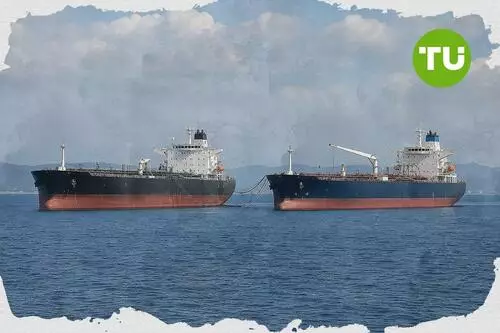
As reported by Financial Times, traffic through the Strait of Hormuz declines in the week to November 18 as attacks on commercial shipping intensify and tanker movements weaken. UK Maritime Trade Operations says 263 vessels pass through the waterway during the week, about 15 per cent fewer than the previous week and 20 per cent below the level recorded two weeks earlier.Among those ships, 37 are oil tankers, down from 52 a week earlier, though in line with the prior week. Preliminary data from commodities platform Kpler, measured in barrels, shows oil flows through the strait in the second week of November are close to half the level seen in the first week.
The figures may later be revised higher as more "dark transits" are identified, but the lower volumes indicate Iran's latest campaign against merchant shipping is starting to curb oil exports. Before the U.S.-Israeli strike on Iran at the end of February, about 135 ships a day used the narrow passage at the mouth of the Gulf, carrying roughly a fifth of global oil and gas supplies along with other cargoes.
Some analysts cite stronger crude flows from the Gulf in October as a sign that regional producers are finding ways to keep exports moving to international buyers. But UBS strategist Giovanni Staunovo says in a note on Friday that the recovery in Middle Eastern exports is looking "increasingly fragile".
Insurance costs and tanker availability come under pressure
Iranian strikes on shipping begin to rise in October after a period of relative calm and continue despite diplomatic efforts to ease the conflict and restore maritime traffic. At least seven tankers are hit in the past week, while at least three vessels have sunk since the conflict began.Tehran also continues to expand its list of so-called non-compliant vessels, often after they have been attacked. Iran says these ships are violating its protocols for crossing the strait, and the list now contains 240 vessels, up from 46 in August when the naming practice began.
Analysts and industry executives say the sustained pace of attacks could soon restrict oil exports by reducing tanker availability and raising operating costs. Jorge León, head of geopolitical analysis at Rystad Energy, says Iranian attacks are averaging 1 to 1.5 a day and warns that, if the current pace continues, vessel availability could become a major problem within two or three months.
A tanker industry executive says even relatively limited damage can force a loaded ship to unload cargo, clean tanks, free gas and wait for a repair berth before leaving the region. John Walker of EOS Risk Group says a fresh rise in war risk premiums is adding to the deterrent, while acting U.S. Navy secretary Hung Cao says insuring a tanker crossing the strait now costs $64 million, up from $54,000 a year ago.
Walker says Iran's Islamic Revolutionary Guard is increasingly striking ships twice to show the shipping industry it can still identify and engage targets, while attacks on non-listed vessels may be intended to maximize uncertainty. He adds that further escalation is likely in the short term unless the U.S. acts decisively to restore security.
As highlighted earlier, an IEA warning said the conflict has crushed confidence in Strait reliability for energy trade.






Latest Iran war News



-
 Afghanistan
-
 Albania
-
 Algeria
-
 Angola
-
 Argentina
-
 Armenia
-
 Australia
-
 Austria
-
 Azerbaijan
-
 Bahamas
-
 Bahrain
-
 Bangladesh
-
 Belarus
-
 Belgium
-
 Bolivia
-
 Botswana
-
 Brazil
-
 Brunei
-
 Bulgaria
-
 Cambodia
-
 Cameroon
-
 Canada
-
 Chile
-
 China
-
 Colombia
-
 Congo
-
 Costa Rica
-
 Cote d'Ivoire
-
 Croatia
-
 Cuba
-
 Cyprus
-
 Czechia
-
 DR Congo
-
 Denmark
-
 Dominican Republic
-
 Ecuador
-
 Egypt
-
 El Salvador
-
 Estonia
-
 Eswatini
-
 Ethiopia
-
 Finland
-
 France
-
 Georgia
-
 Germany
-
 Ghana
-
 Greece
-
 Haiti
-
 Hong Kong
-
 Hungary
-
 India
-
 Indonesia
-
 Iran, Islamic republic
-
 Iraq
-
 Ireland
-
 Israel
-
 Italy
-
 Jamaica
-
 Japan
-
 Jordan
-
 Kazakhstan
-
 Kenya
-
 Korea
-
 Kuwait
-
 Kyrgyzstan
-
 Laos
-
 Latvia
-
 Lebanon
-
 Lesotho
-
 Libya
-
 Lithuania
-
 Luxembourg
-
 Madagascar
-
 Malaysia
-
 Malta
-
 Mauritius
-
 Mexico
-
 Moldova
-
 Mongolia
-
 Montenegro
-
 Morocco
-
 Mozambique
-
 Myanmar
-
 Namibia
-
 Nepal
-
 Netherlands
-
 New Zealand
-
 Nigeria
-
 North Macedonia
-
 Norway
-
 Oman
-
 Pakistan
-
 Palestine
-
 Panama
-
 Papua New Guinea
-
 Paraguay
-
 Peru
-
 Philippines
-
 Poland
-
 Portugal
-
 Puerto Rico
-
 Qatar
-
 Reunion
-
 Romania
-
 Rwanda
-
 Saudi Arabia
-
 Serbia
-
 Singapore
-
 Slovakia
-
 Slovenia
-
 Somalia
-
 South Africa
-
 Spain
-
 Sri Lanka
-
 Sweden
-
 Switzerland
-
 Syria
-
 Taiwan
-
 Tajikistan
-
 Tanzania
-
 Thailand
-
 Trinidad and Tobago
-
 Tunisia
-
 Turkey
-
 UAE
-
 Uganda
-
 Ukraine
-
 United Kingdom
-
United States
-
 Uruguay
-
 Uzbekistan
-
 Venezuela
-
 Vietnam
-
 Yemen
-
 Zambia
-
 Zimbabwe
- Forex
- Crypto












