


Falling crude prices in November are strengthening market expectations that recovering Middle East exports and softer seasonal demand could push global oil supplies into surplus in coming months. That outlook remains fragile because tanker attacks near the Strait of Hormuz, lower-than-normal regional export flows and the threat of renewed military escalation continue to pose upside risks to prices.
Highlights
- Brent crude fell about 20% to $95.44 and WTI dropped 21% to $83.08 in November as Middle East exports recovered post-Iran war disruptions.
- Goldman Sachs projects a crude surplus of 2 million barrels per day by 2027, with Kpler forecasting up to 3 million barrels per day oversupply next year if export normalization continues.
- Middle East crude exports remain 24% below pre-war levels at 12.8 million barrels per day with ongoing security risks and at least 20 tanker attacks reported this month.
Supply recovery supports surplus expectations
As reported by CNBC, Brent crude and U.S. West Texas Intermediate have fallen sharply in November as investors increasingly price in a rebound in Middle East exports after supply disruptions caused by the Iran war. Brent is down about 20% after nearing $118 a barrel in late October, while WTI has dropped about 21% after topping $104 in the same period; Brent closes Friday at $95.44 a barrel and WTI settles at $83.08.Lower crude prices are also feeding through to consumers, with U.S. retail gasoline falling well below $4 a gallon and diesel easing below $6 a gallon. In October, markets were still pricing in the risk of a broader military escalation in the Persian Gulf after the U.S. midterm elections, but President Donald Trump has so far refrained from launching renewed strikes on Iran after Democrats erased Republican congressional majorities.
Analysts are warning that the recent selloff may be overstating confidence in the supply picture. UBS strategist Giovanni Staunovo says the market is becoming too comfortable with the outlook, while the International Energy Agency forecasts an oil surplus beginning in the fourth quarter, a major shift nine months after the war triggered a historic supply disruption.
Goldman Sachs sees a crude surplus of 2 million barrels per day in 2027, and Kpler projects oversupply of 3 million barrels per day next year if Gulf export recovery continues. Rapidan Energy president Bob McNally says continued normalization in the Arabian Gulf would result in oversupply, but that scenario still depends on sustained flows from the region.
Escalation threat keeps upward price risks in place
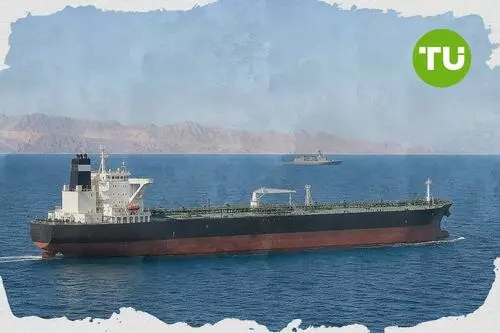
The surplus case is tempered by ongoing security risks across Middle East shipping lanes. The IEA warns that downside risks persist as attacks on shipping undermine maritime security, and Trump recently tells Fox News he might launch renewed strikes on Iran after the new year, a move that could structurally raise oil prices.Crude exports from the Middle East have rebounded since the summer but remain well below pre-war levels and have trended lower in recent weeks. Tankers in and around the Strait of Hormuz are attacked on a near-daily basis, with at least 20 attacks on commercial ships reported this month, according to maritime security agencies.
Middle East crude exports average 12.8 million barrels per day in the week ended Wednesday, about 24% below pre-war levels of 17 million barrels per day, according to Kpler. Fuel shipments stand at 3.2 million barrels per day in the same period, down about 49% from 6.3 million barrels per day before the war.
Additional output growth in the Americas and weaker demand after the summer driving season are also shaping the balance. JPMorgan forecasts Brent in the high $70s in the first half of 2027 before falling into the $60s in the second half, while Goldman Sachs expects Brent around $88 a barrel next year and WTI averaging about $78.
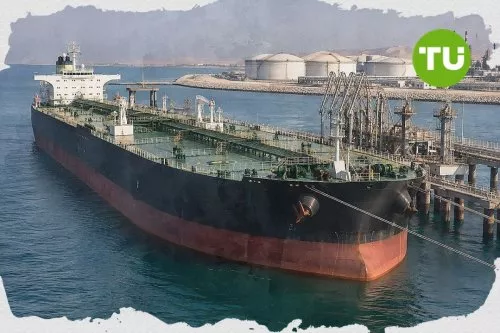
Kpler says the expected surplus could quickly turn back into a deficit if Iran or its Houthi allies strike the United Arab Emirates export terminal at Fujairah or key Saudi infrastructure including Ras Tanura, Yanbu or the East-West Pipeline. Any further disruption would hit a market where global inventory buffers are already near historic lows, after months of stockpile depletion flagged by the CEOs of ExxonMobil and Chevron.
We recently reported on oil surplus concerns as traders weighed OPEC+ decisions, U.S. inventory trends, and Middle East shipping risks.






Latest Brent News



-
 Afghanistan
-
 Albania
-
 Algeria
-
 Angola
-
 Argentina
-
 Armenia
-
 Australia
-
 Austria
-
 Azerbaijan
-
 Bahamas
-
 Bahrain
-
 Bangladesh
-
 Belarus
-
 Belgium
-
 Bolivia
-
 Botswana
-
 Brazil
-
 Brunei
-
 Bulgaria
-
 Cambodia
-
 Cameroon
-
 Canada
-
 Chile
-
 China
-
 Colombia
-
 Congo
-
 Costa Rica
-
 Cote d'Ivoire
-
 Croatia
-
 Cuba
-
 Cyprus
-
 Czechia
-
 DR Congo
-
 Denmark
-
 Dominican Republic
-
 Ecuador
-
 Egypt
-
 El Salvador
-
 Estonia
-
 Eswatini
-
 Ethiopia
-
 Finland
-
 France
-
 Georgia
-
 Germany
-
 Ghana
-
 Greece
-
 Haiti
-
 Hong Kong
-
 Hungary
-
 India
-
 Indonesia
-
 Iran, Islamic republic
-
 Iraq
-
 Ireland
-
 Israel
-
 Italy
-
 Jamaica
-
 Japan
-
 Jordan
-
 Kazakhstan
-
 Kenya
-
 Korea
-
 Kuwait
-
 Kyrgyzstan
-
 Laos
-
 Latvia
-
 Lebanon
-
 Lesotho
-
 Libya
-
 Lithuania
-
 Luxembourg
-
 Madagascar
-
 Malaysia
-
 Malta
-
 Mauritius
-
 Mexico
-
 Moldova
-
 Mongolia
-
 Montenegro
-
 Morocco
-
 Mozambique
-
 Myanmar
-
 Namibia
-
 Nepal
-
 Netherlands
-
 New Zealand
-
 Nigeria
-
 North Macedonia
-
 Norway
-
 Oman
-
 Pakistan
-
 Palestine
-
 Panama
-
 Papua New Guinea
-
 Paraguay
-
 Peru
-
 Philippines
-
 Poland
-
 Portugal
-
 Puerto Rico
-
 Qatar
-
 Reunion
-
 Romania
-
 Rwanda
-
 Saudi Arabia
-
 Serbia
-
 Singapore
-
 Slovakia
-
 Slovenia
-
 Somalia
-
 South Africa
-
 Spain
-
 Sri Lanka
-
 Sweden
-
 Switzerland
-
 Syria
-
 Taiwan
-
 Tajikistan
-
 Tanzania
-
 Thailand
-
 Trinidad and Tobago
-
 Tunisia
-
 Turkey
-
 UAE
-
 Uganda
-
 Ukraine
-
 United Kingdom
-
United States
-
 Uruguay
-
 Uzbekistan
-
 Venezuela
-
 Vietnam
-
 Yemen
-
 Zambia
-
 Zimbabwe
- Forex
- Crypto












