

U.S. Central Command rejects Iran navy claims as Hormuz shipping risks persist

Military tensions around key Middle East shipping lanes remain elevated as Washington and Tehran trade conflicting accounts over naval actions during the ongoing war. U.S. Central Command says Iranian claims about seized tankers, fees in the Strait of Hormuz and a strike on the USS Abraham Lincoln are false, while maritime security incidents continue near Yemen.
Highlights
- U.S. Central Command refutes Iranian navy claims of seizing tankers, attacking USS Abraham Lincoln, and imposing Strait of Hormuz shipping fees as fabricated.
- Oil prices surge due to sharply reduced supplies transiting the Strait of Hormuz following the conflict, while the U.S. adds the USS Theodore Roosevelt to enforce a naval blockade.
- Security risks expand as UKMTO reports armed boarding south of Yemen and Houthi attacks persist against regional shipping and targets in Saudi Arabia.
Centcom response to Iranian naval claims
As reported by CNBC, U.S. Central Command rejects statements carried by Iranian state media from Navy Commander Amir Shahram Irani about commercial shipping and U.S. naval assets during the conflict.Tasnim News quoted Irani as saying Iranian forces retook two tankers and captured their security teams after boarding the vessels. Centcom responded in a post on X that Iran "no longer has a navy" and called the commander's account "another fabricated lie."
The U.S. command also disputes Irani's claim that Iranian forces struck the USS Abraham Lincoln on Feb. 28, the first day of the war, when the U.S. and Israel launched strikes against Iranian targets. Centcom says the carrier strike group was not hit, completed its deployment in the Middle East and returned safely to the United States last month.
Centcom further denies an Iranian claim that the U.S. charges vessels millions of dollars to pass through the Strait of Hormuz. It says U.S. forces and regional partners control the waterway but do not impose any toll on shipping.
Shipping disruption adds pressure on energy markets
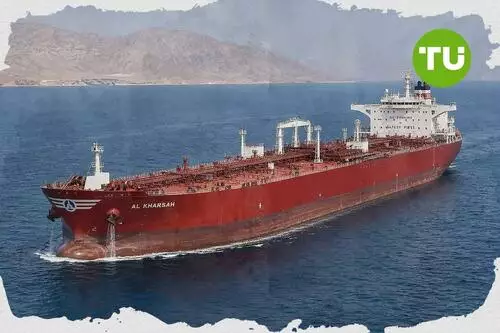
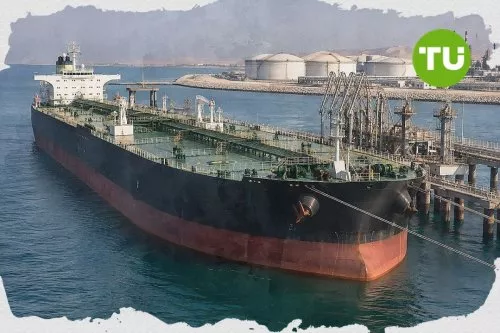
The dispute comes as the Strait of Hormuz remains central to global energy flows and regional security calculations. Supplies moving through the passage fall sharply after the war begins, contributing to a surge in oil prices, while the U.S. enforces a naval blockade of Iranian ports and last week adds a third aircraft carrier, the USS Theodore Roosevelt, to the Middle East.Security risks also remain high farther south. The United Kingdom Maritime Trade Operations, UKMTO, says Saturday that the master of a cargo ship reports being boarded by armed unauthorized persons about 64 nautical miles southwest of Balhaf in Yemen.
No group claims responsibility for that incident, but Tehran-backed Houthi fighters continue opening a second front in the war by attacking shipping south and west of the Arabian Peninsula. The Houthis also keep striking targets in Saudi Arabia, where civil defense authorities issue several alerts on Saturday and the Saudi-led Coalition to Support Legitimacy in Yemen says on X that air defenses intercept and destroy two ballistic missiles launched toward southern Saudi Arabia.
Earlier, we reported on Hormuz shipping strikes that hit multiple vessels and kept tanker traffic disrupted in the strait.






Latest Brent News



-
 Afghanistan
-
 Albania
-
 Algeria
-
 Angola
-
 Argentina
-
 Armenia
-
 Australia
-
 Austria
-
 Azerbaijan
-
 Bahamas
-
 Bahrain
-
 Bangladesh
-
 Belarus
-
 Belgium
-
 Bolivia
-
 Botswana
-
 Brazil
-
 Brunei
-
 Bulgaria
-
 Cambodia
-
 Cameroon
-
 Canada
-
 Chile
-
 China
-
 Colombia
-
 Congo
-
 Costa Rica
-
 Cote d'Ivoire
-
 Croatia
-
 Cuba
-
 Cyprus
-
 Czechia
-
 DR Congo
-
 Denmark
-
 Dominican Republic
-
 Ecuador
-
 Egypt
-
 El Salvador
-
 Estonia
-
 Eswatini
-
 Ethiopia
-
 Finland
-
 France
-
 Georgia
-
 Germany
-
 Ghana
-
 Greece
-
 Haiti
-
 Hong Kong
-
 Hungary
-
 India
-
 Indonesia
-
 Iran, Islamic republic
-
 Iraq
-
 Ireland
-
 Israel
-
 Italy
-
 Jamaica
-
 Japan
-
 Jordan
-
 Kazakhstan
-
 Kenya
-
 Korea
-
 Kuwait
-
 Kyrgyzstan
-
 Laos
-
 Latvia
-
 Lebanon
-
 Lesotho
-
 Libya
-
 Lithuania
-
 Luxembourg
-
 Madagascar
-
 Malaysia
-
 Malta
-
 Mauritius
-
 Mexico
-
 Moldova
-
 Mongolia
-
 Montenegro
-
 Morocco
-
 Mozambique
-
 Myanmar
-
 Namibia
-
 Nepal
-
 Netherlands
-
 New Zealand
-
 Nigeria
-
 North Macedonia
-
 Norway
-
 Oman
-
 Pakistan
-
 Palestine
-
 Panama
-
 Papua New Guinea
-
 Paraguay
-
 Peru
-
 Philippines
-
 Poland
-
 Portugal
-
 Puerto Rico
-
 Qatar
-
 Reunion
-
 Romania
-
 Rwanda
-
 Saudi Arabia
-
 Serbia
-
 Singapore
-
 Slovakia
-
 Slovenia
-
 Somalia
-
 South Africa
-
 Spain
-
 Sri Lanka
-
 Sweden
-
 Switzerland
-
 Syria
-
 Taiwan
-
 Tajikistan
-
 Tanzania
-
 Thailand
-
 Trinidad and Tobago
-
 Tunisia
-
 Turkey
-
 UAE
-
 Uganda
-
 Ukraine
-
 United Kingdom
-
United States
-
 Uruguay
-
 Uzbekistan
-
 Venezuela
-
 Vietnam
-
 Yemen
-
 Zambia
-
 Zimbabwe
- Forex
- Crypto












