

Philippines sees no immediate power supply hit from Indonesia gas export cut

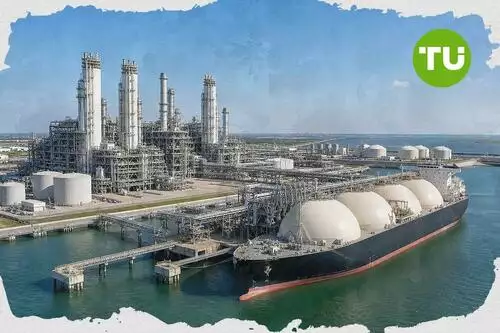
The Philippines says its coal and gas supplies from Indonesia remain secure despite Jakarta's decision to reduce gas shipments to Singapore. Energy Secretary Sharon S. Garin says the government is also pursuing diversification plans because Indonesia still supplies about 85% of the country's coal imports.
Highlights
- Indonesia cut natural gas exports to Singapore by 31 million standard cubic feet per day but assured the Philippines of stable coal supply contracts.
- Indonesia supplies about 60% of the coal used in the Philippine power generation mix, leaving Manila dependent on Jakarta's long-term commitments.
- The Philippines is considering a coal blending facility and holding discussions with the U.S., Russia, and Australia to mitigate the risk of relying on Indonesia for 85% of its coal supply.
Supply assurances and contract stability
As reported by BusinessWorld Online, citing Reuters, Indonesia cut its natural gas exports to Singapore by 31 million standard cubic feet per day to strengthen domestic supply, but Philippine officials say this does not create the same concern for Manila. Speaking on the sidelines of Singapore International Energy Week, Garin says Indonesia has assured the Philippines that long-term coal supply contracts will be honored.Garin says the Philippines has also asked whether prices can be maintained, while noting the country does not face the same gas supply issue reported in Singapore. Although Indonesia is not a major gas supplier to the Philippines, it remains central to the country's energy system because coal makes up about 60% of the Philippine power generation mix.
She says Indonesia is a very important part of the Philippine power system and that Manila needs to make sure Jakarta understands that dependence.
Diversification plans and fuel security risk
The government is floating plans for a coal blending facility as part of efforts to reduce heavy reliance on Indonesian coal. Such a terminal receives different types of coal and produces a blend tailored to customer specifications, including combining imported coal with locally produced low-grade sub-bituminous coal for various uses.Garin says the government is in talks with the U.S., Russia and Australia to gauge their interest in joining the project. She says having 85% of supply for a particular fuel coming from one country carries a certain level of risk, even though the Philippines maintains a good relationship with Indonesia.
In our earlier coverage of the conflict-driven surge in oil shipping costs, we explained how attacks and rerouting around key chokepoints pushed tanker rates to record levels and made freight a much larger share of the delivered oil price. We also noted that import-dependent markets, including the Philippines, are especially exposed when logistics and insurance costs jump, amplifying broader inflation pressures across fuel and consumer goods.






Latest Natural Gas News


-
 Afghanistan
-
 Albania
-
 Algeria
-
 Angola
-
 Argentina
-
 Armenia
-
 Australia
-
 Austria
-
 Azerbaijan
-
 Bahamas
-
 Bahrain
-
 Bangladesh
-
 Belarus
-
 Belgium
-
 Bolivia
-
 Botswana
-
 Brazil
-
 Brunei
-
 Bulgaria
-
 Cambodia
-
 Cameroon
-
 Canada
-
 Chile
-
 China
-
 Colombia
-
 Congo
-
 Costa Rica
-
 Cote d'Ivoire
-
 Croatia
-
 Cuba
-
 Cyprus
-
 Czechia
-
 DR Congo
-
 Denmark
-
 Dominican Republic
-
 Ecuador
-
 Egypt
-
 El Salvador
-
 Estonia
-
 Eswatini
-
 Ethiopia
-
 Finland
-
 France
-
 Georgia
-
 Germany
-
 Ghana
-
 Greece
-
 Haiti
-
 Hong Kong
-
 Hungary
-
 India
-
 Indonesia
-
 Iran, Islamic republic
-
 Iraq
-
 Ireland
-
 Israel
-
 Italy
-
 Jamaica
-
 Japan
-
 Jordan
-
 Kazakhstan
-
 Kenya
-
 Korea
-
 Kuwait
-
 Kyrgyzstan
-
 Laos
-
 Latvia
-
 Lebanon
-
 Lesotho
-
 Libya
-
 Lithuania
-
 Luxembourg
-
 Madagascar
-
 Malaysia
-
 Malta
-
 Mauritius
-
 Mexico
-
 Moldova
-
 Mongolia
-
 Montenegro
-
 Morocco
-
 Mozambique
-
 Myanmar
-
 Namibia
-
 Nepal
-
 Netherlands
-
 New Zealand
-
 Nigeria
-
 North Macedonia
-
 Norway
-
 Oman
-
 Pakistan
-
 Palestine
-
 Panama
-
 Papua New Guinea
-
 Paraguay
-
 Peru
-
 Philippines
-
 Poland
-
 Portugal
-
 Puerto Rico
-
 Qatar
-
 Reunion
-
 Romania
-
 Rwanda
-
 Saudi Arabia
-
 Serbia
-
 Singapore
-
 Slovakia
-
 Slovenia
-
 Somalia
-
 South Africa
-
 Spain
-
 Sri Lanka
-
 Sweden
-
 Switzerland
-
 Syria
-
 Taiwan
-
 Tajikistan
-
 Tanzania
-
 Thailand
-
 Trinidad and Tobago
-
 Tunisia
-
 Turkey
-
 UAE
-
 Uganda
-
 Ukraine
-
 United Kingdom
-
United States
-
 Uruguay
-
 Uzbekistan
-
 Venezuela
-
 Vietnam
-
 Yemen
-
 Zambia
-
 Zimbabwe
- Forex
- Crypto












