

Qantas flags fare increases and flight cuts as fuel costs surge

Elevated fuel prices are pushing Qantas to tighten capacity and prepare higher ticket prices even as demand for air travel remains strong. The airline says the Middle East war continues to keep costs high, with domestic flights across Qantas and Jetstar set to be reduced by a combined 4 per cent in 2027.
Highlights
- Qantas expects fuel costs of $3.8 billion for H1 of the new financial year, with Brent crude above $U.S.100 a barrel and fare/capacity adjustments ongoing.
- Domestic flight capacity for Qantas and Jetstar will be cut by 4 per cent in 2027, following previous reductions and fare increases due to fuel cost pressure.
- Qantas reported 2025/26 net profit of $1.3 billion (down nearly 20 per cent), cancelled a $150 million buyback, but expects revenue per seat kilometre up to 10 per cent in H1 2026/27.
Fuel cost pressure and capacity response
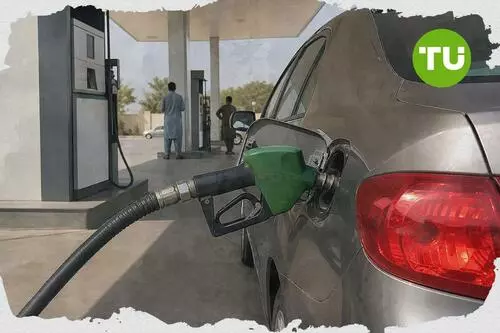
As reported by ABC News, Qantas says it is extending fuel hedging for about 85 per cent of its annual fuel bill as it expects prices to remain elevated into the new financial year. In a market update released ahead of its annual general meeting on Friday, the airline says it has adjusted and will continue to adjust fares and capacity in response to higher fuel costs.Qantas expects fuel costs of $3.8 billion for the first half of the new financial year. It says Brent crude oil is now above $U.S.100 a barrel, up from about $U.S.60 before the U.S. attacked Iran in February, and adds that fuel prices are expected to remain elevated through financial year 2027.
The group says domestic flights for Qantas and Jetstar will be cut by a total of 4 per cent in 2027. The move follows similar action in April, when the airline also reduced domestic capacity and raised fares because of fuel costs.
Demand resilience and earnings outlook
Qantas says international and domestic travel demand remains highly resilient despite the cost pressure. It adds that demand is being supported by customers redirecting travel away from the Middle East, while corporate and government travel remains stable and is being closely monitored.Higher jet-fuel costs linked to the conflict have already cut hundreds of millions of dollars from the airline's most recent annual profit. In August, Qantas reported 2025/26 net profit of $1.3 billion, down nearly 20 per cent from the previous year, while underlying pre-tax profit fell nearly 14 per cent to $2.1 billion despite a 7 per cent increase in revenue to $25.5 billion.
The carrier has also cancelled a planned $150 million share buyback. Even so, it still forecasts total revenue per available seat kilometre to rise by up to 10 per cent in the first half of 2026/27, mainly driven by international travel, while capital expenditure is expected at the lower end of its previously guided $4.3 billion to $4.6 billion range.
Qantas also says its non-stop Project Sunrise flights from Australia to Europe and North America are expected to generate $400 million a year once the full fleet is operating by 2031.
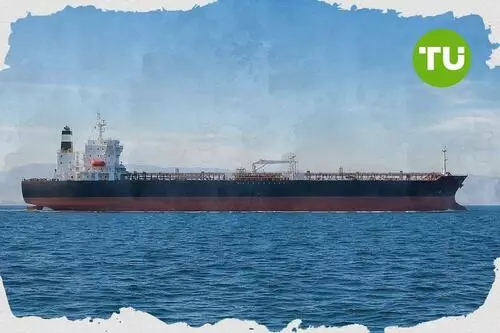
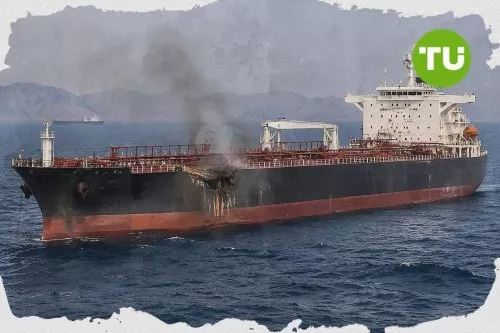
Our earlier article on the surge in oil shipping costs explained how conflict-related risks and rerouting around key chokepoints drove tanker and insurance rates sharply higher, making freight a much larger component of oil prices. We also noted that these elevated transport costs can filter through to higher fuel and consumer prices, with import-dependent markets facing the most immediate impact.








-
 Afghanistan
-
 Albania
-
 Algeria
-
 Angola
-
 Argentina
-
 Armenia
-
 Australia
-
 Austria
-
 Azerbaijan
-
 Bahamas
-
 Bahrain
-
 Bangladesh
-
 Belarus
-
 Belgium
-
 Bolivia
-
 Botswana
-
 Brazil
-
 Brunei
-
 Bulgaria
-
 Cambodia
-
 Cameroon
-
 Canada
-
 Chile
-
 China
-
 Colombia
-
 Congo
-
 Costa Rica
-
 Cote d'Ivoire
-
 Croatia
-
 Cuba
-
 Cyprus
-
 Czechia
-
 DR Congo
-
 Denmark
-
 Dominican Republic
-
 Ecuador
-
 Egypt
-
 El Salvador
-
 Estonia
-
 Eswatini
-
 Ethiopia
-
 Finland
-
 France
-
 Georgia
-
 Germany
-
 Ghana
-
 Greece
-
 Haiti
-
 Hong Kong
-
 Hungary
-
 India
-
 Indonesia
-
 Iran, Islamic republic
-
 Iraq
-
 Ireland
-
 Israel
-
 Italy
-
 Jamaica
-
 Japan
-
 Jordan
-
 Kazakhstan
-
 Kenya
-
 Korea
-
 Kuwait
-
 Kyrgyzstan
-
 Laos
-
 Latvia
-
 Lebanon
-
 Lesotho
-
 Libya
-
 Lithuania
-
 Luxembourg
-
 Madagascar
-
 Malaysia
-
 Malta
-
 Mauritius
-
 Mexico
-
 Moldova
-
 Mongolia
-
 Montenegro
-
 Morocco
-
 Mozambique
-
 Myanmar
-
 Namibia
-
 Nepal
-
 Netherlands
-
 New Zealand
-
 Nigeria
-
 North Macedonia
-
 Norway
-
 Oman
-
 Pakistan
-
 Palestine
-
 Panama
-
 Papua New Guinea
-
 Paraguay
-
 Peru
-
 Philippines
-
 Poland
-
 Portugal
-
 Puerto Rico
-
 Qatar
-
 Reunion
-
 Romania
-
 Rwanda
-
 Saudi Arabia
-
 Serbia
-
 Singapore
-
 Slovakia
-
 Slovenia
-
 Somalia
-
 South Africa
-
 Spain
-
 Sri Lanka
-
 Sweden
-
 Switzerland
-
 Syria
-
 Taiwan
-
 Tajikistan
-
 Tanzania
-
 Thailand
-
 Trinidad and Tobago
-
 Tunisia
-
 Turkey
-
 UAE
-
 Uganda
-
 Ukraine
-
 United Kingdom
-
United States
-
 Uruguay
-
 Uzbekistan
-
 Venezuela
-
 Vietnam
-
 Yemen
-
 Zambia
-
 Zimbabwe
- Forex
- Crypto












