

Volkswagen shifts China export strategy as local sales slump

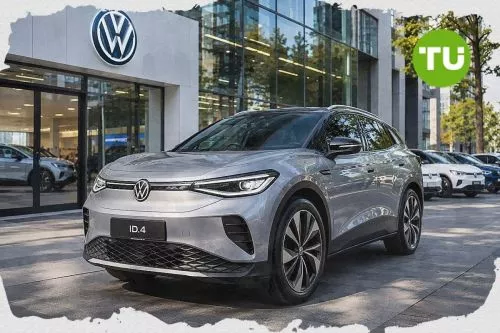
Volkswagen is reworking its China strategy as weaker demand for both combustion engine cars and new electric models adds pressure in its biggest former profit engine. The shift now extends beyond localising products for Chinese buyers to using China-developed vehicles, software and platforms for overseas markets.
Highlights
- Volkswagen's China joint ventures swung to a loss in H1 as vehicle deliveries fell 30 percent year on year and EV sales dropped 43 percent in the first nine months of 2026.
- Volkswagen will export up to 300,000 China-made vehicles by 2030—about 10 percent of its local sales—and deploy China-developed software in overseas factories.
- Chinese carmakers' sales held flat in the first nine months of 2026 while German and Japanese brands dropped 30 percent and 25 percent respectively, intensifying foreign market pressures.
China downturn drives strategic reset
As first reported by Financial Times, Volkswagen is moving from its earlier "In China, For China" approach toward an "In China, and beyond" strategy as the carmaker struggles with a sharp market downturn. The group’s joint ventures in China swung to a loss in the first half, while vehicle deliveries to the market fell 30 per cent year on year and EV sales in China were down 43 per cent over the first nine months of 2026.Chief financial officer Arno Antlitz says pricing and volumes remain under constant pressure, with little sign that demand for combustion engine vehicles in China will recover. Since launching in April, Volkswagen’s first SUV co-developed with Xpeng has sold 2,523 units, according to Omdia, underscoring how difficult it is for foreign brands to gain traction even with more localised products.
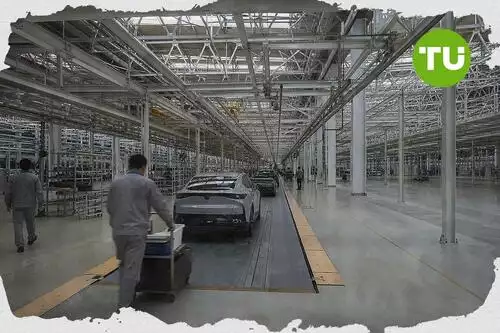
Volkswagen is continuing multibillion investments in local production and partnerships in chips and advanced driving software, while aiming for electric cars to account for 10 per cent of its China sales this year. The company also plans to launch 30 new battery-only and plug-in hybrid models in China by 2030.
Export plan raises broader industry stakes
Volkswagen now aims to export as many as 300,000 China-made vehicles by 2030, equal to about 10 per cent of its local sales, and also wants to deploy China-developed software and platforms in vehicles built at factories elsewhere. HSBC analyst Michael Tyndall says that could help make Volkswagen’s China-built cars more attractive in overseas markets because of their more advanced software.The change reflects a wider problem for Western carmakers in China, where legacy petrol businesses are shrinking rapidly as domestic brands push affordable EVs and hybrids. According to Automobility data, Chinese carmakers’ sales volumes in their home market were flat in the first nine months of 2026, while German groups fell 30 per cent and Japanese groups declined 25 per cent.
BMW, Mercedes-Benz, Volvo Cars and Toyota are also facing pressure from the China slowdown, with several groups issuing profit warnings or cutting targets. Yet exporting from China brings risks for Volkswagen as well, including potential cannibalisation of vehicles made in higher-cost regions such as Europe and tougher competition against a growing wave of Chinese EV exports.
China’s overseas vehicle shipments have risen from below 1 million units in 2020 to likely more than 10 million this year, turning the country into a major export base. Bill Russo of Automobility says global carmakers face a double squeeze, with their traditional combustion engine business weakening in China while Chinese rivals expand aggressively into foreign markets.
As we noted in our earlier article, the IMF urged China fiscal stimulus as growth stays reliant on external demand.






Latest Volkswagen News


-
 Afghanistan
-
 Albania
-
 Algeria
-
 Angola
-
 Argentina
-
 Armenia
-
 Australia
-
 Austria
-
 Azerbaijan
-
 Bahamas
-
 Bahrain
-
 Bangladesh
-
 Belarus
-
 Belgium
-
 Bolivia
-
 Botswana
-
 Brazil
-
 Brunei
-
 Bulgaria
-
 Cambodia
-
 Cameroon
-
 Canada
-
 Chile
-
 China
-
 Colombia
-
 Congo
-
 Costa Rica
-
 Cote d'Ivoire
-
 Croatia
-
 Cuba
-
 Cyprus
-
 Czechia
-
 DR Congo
-
 Denmark
-
 Dominican Republic
-
 Ecuador
-
 Egypt
-
 El Salvador
-
 Estonia
-
 Eswatini
-
 Ethiopia
-
 Finland
-
 France
-
 Georgia
-
 Germany
-
 Ghana
-
 Greece
-
 Haiti
-
 Hong Kong
-
 Hungary
-
 India
-
 Indonesia
-
 Iran, Islamic republic
-
 Iraq
-
 Ireland
-
 Israel
-
 Italy
-
 Jamaica
-
 Japan
-
 Jordan
-
 Kazakhstan
-
 Kenya
-
 Korea
-
 Kuwait
-
 Kyrgyzstan
-
 Laos
-
 Latvia
-
 Lebanon
-
 Lesotho
-
 Libya
-
 Lithuania
-
 Luxembourg
-
 Madagascar
-
 Malaysia
-
 Malta
-
 Mauritius
-
 Mexico
-
 Moldova
-
 Mongolia
-
 Montenegro
-
 Morocco
-
 Mozambique
-
 Myanmar
-
 Namibia
-
 Nepal
-
 Netherlands
-
 New Zealand
-
 Nigeria
-
 North Macedonia
-
 Norway
-
 Oman
-
 Pakistan
-
 Palestine
-
 Panama
-
 Papua New Guinea
-
 Paraguay
-
 Peru
-
 Philippines
-
 Poland
-
 Portugal
-
 Puerto Rico
-
 Qatar
-
 Reunion
-
 Romania
-
 Rwanda
-
 Saudi Arabia
-
 Serbia
-
 Singapore
-
 Slovakia
-
 Slovenia
-
 Somalia
-
 South Africa
-
 Spain
-
 Sri Lanka
-
 Sweden
-
 Switzerland
-
 Syria
-
 Taiwan
-
 Tajikistan
-
 Tanzania
-
 Thailand
-
 Trinidad and Tobago
-
 Tunisia
-
 Turkey
-
 UAE
-
 Uganda
-
 Ukraine
-
 United Kingdom
-
United States
-
 Uruguay
-
 Uzbekistan
-
 Venezuela
-
 Vietnam
-
 Yemen
-
 Zambia
-
 Zimbabwe
- Forex
- Crypto












