

Volkswagen China EV sales surge nearly 350% despite fierce local competition

Volkswagen reported record monthly sales of electric and plug-in hybrid vehicles in China in October, offering an early indication that its efforts to regain ground in the world's largest auto market are beginning to work. The sharp increase comes after a difficult year in which the German automaker lost sales to domestic competitors and struggled to expand its electric vehicle business.
Highlights
- Volkswagen China EV sales surged nearly 350% to a record 28,000-plus vehicles.
- New models and local partnerships are driving sales growth.
- Group sales fell 30% in nine months, leaving recovery uncertain.
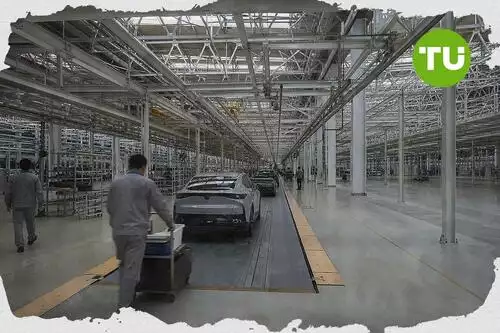
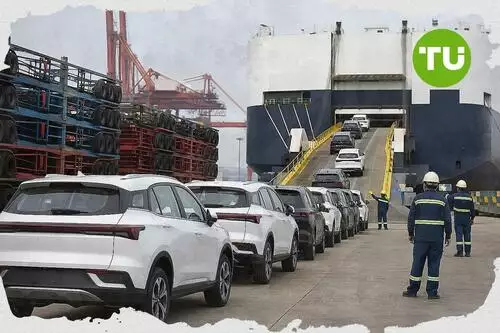
Deliveries of Volkswagen-branded new energy vehicles, or NEVs, rose nearly 350% from a year earlier to more than 28,000 units in October, according to figures reported by Bloomberg. The result marked a monthly record for the brand in China, supported by recently introduced models including the ID. Aura T6 sport utility vehicle and ID. Era 5S sedan.
New electric models help Volkswagen regain ground
Volkswagen has been expanding its electric and hybrid lineup to compete more effectively with Chinese manufacturers, which have gained market share through aggressive pricing, frequent model launches, and technology tailored to local buyers. The October increase suggests that some of those changes are beginning to attract customers.
The company plans to introduce more than 20 electrified models in China this year and expects sales growth to continue in the coming months. It has also set a target of becoming one of the country's 10 best-selling new energy vehicle brands next year, an ambitious goal given the strength of established domestic competitors.
Chinese partnerships support the recovery effort
Rather than relying exclusively on technology developed in Germany, Volkswagen has increasingly worked with Chinese companies to shorten development cycles and adapt its vehicles to local expectations. Its partnership with Xpeng has produced a new electronic vehicle architecture designed to support future models, while cooperation with Horizon Robotics has strengthened its automated driving capabilities.
These partnerships are central to Volkswagen's attempt to close the technology gap with Chinese rivals. Local manufacturers have moved quickly in areas such as vehicle software and driver assistance, putting pressure on foreign automakers whose traditional strengths in engineering and brand recognition have proved less decisive in the electric vehicle market.
Record sales face a difficult long-term test
Despite October's improvement, Volkswagen's broader position in China remains weak. Group deliveries in China fell 38.5% in the third quarter and 30% in the first nine months of the year, while fully electric vehicles accounted for just 3.5% of its sales in the country. Its Chinese joint ventures have also slipped into losses, highlighting the financial cost of competing in an increasingly crowded market.
The latest sales figures provide evidence that Volkswagen can attract buyers with its newer models, but one strong month does not establish a lasting recovery. Sustained demand, competitive pricing, and improved profitability will determine whether the automaker can rebuild its position in China. Its ability to do so will be closely watched as the company invests in new vehicles and technology partnerships.
Earlier, we reported that Volkswagen plans to globalise China-developed technology for Global South markets.






Latest Volkswagen News


-
 Afghanistan
-
 Albania
-
 Algeria
-
 Angola
-
 Argentina
-
 Armenia
-
 Australia
-
 Austria
-
 Azerbaijan
-
 Bahamas
-
 Bahrain
-
 Bangladesh
-
 Belarus
-
 Belgium
-
 Bolivia
-
 Botswana
-
 Brazil
-
 Brunei
-
 Bulgaria
-
 Cambodia
-
 Cameroon
-
 Canada
-
 Chile
-
 China
-
 Colombia
-
 Congo
-
 Costa Rica
-
 Cote d'Ivoire
-
 Croatia
-
 Cuba
-
 Cyprus
-
 Czechia
-
 DR Congo
-
 Denmark
-
 Dominican Republic
-
 Ecuador
-
 Egypt
-
 El Salvador
-
 Estonia
-
 Eswatini
-
 Ethiopia
-
 Finland
-
 France
-
 Georgia
-
 Germany
-
 Ghana
-
 Greece
-
 Haiti
-
 Hong Kong
-
 Hungary
-
 India
-
 Indonesia
-
 Iran, Islamic republic
-
 Iraq
-
 Ireland
-
 Israel
-
 Italy
-
 Jamaica
-
 Japan
-
 Jordan
-
 Kazakhstan
-
 Kenya
-
 Korea
-
 Kuwait
-
 Kyrgyzstan
-
 Laos
-
 Latvia
-
 Lebanon
-
 Lesotho
-
 Libya
-
 Lithuania
-
 Luxembourg
-
 Madagascar
-
 Malaysia
-
 Malta
-
 Mauritius
-
 Mexico
-
 Moldova
-
 Mongolia
-
 Montenegro
-
 Morocco
-
 Mozambique
-
 Myanmar
-
 Namibia
-
 Nepal
-
 Netherlands
-
 New Zealand
-
 Nigeria
-
 North Macedonia
-
 Norway
-
 Oman
-
 Pakistan
-
 Palestine
-
 Panama
-
 Papua New Guinea
-
 Paraguay
-
 Peru
-
 Philippines
-
 Poland
-
 Portugal
-
 Puerto Rico
-
 Qatar
-
 Reunion
-
 Romania
-
 Rwanda
-
 Saudi Arabia
-
 Serbia
-
 Singapore
-
 Slovakia
-
 Slovenia
-
 Somalia
-
 South Africa
-
 Spain
-
 Sri Lanka
-
 Sweden
-
 Switzerland
-
 Syria
-
 Taiwan
-
 Tajikistan
-
 Tanzania
-
 Thailand
-
 Trinidad and Tobago
-
 Tunisia
-
 Turkey
-
 UAE
-
 Uganda
-
 Ukraine
-
 United Kingdom
-
United States
-
 Uruguay
-
 Uzbekistan
-
 Venezuela
-
 Vietnam
-
 Yemen
-
 Zambia
-
 Zimbabwe
- Forex
- Crypto












