

Volkswagen plans to globalise China-developed technology for Global South markets

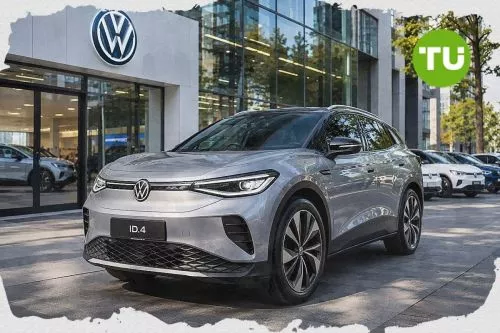
Volkswagen is expanding the role of its China operations by taking locally developed vehicle technologies into overseas markets including South America and South Africa. The move broadens the carmaker's earlier China-focused localisation strategy as it tries to improve competitiveness, cut development time and rebuild momentum against fast-growing Chinese rivals.
Highlights
- Volkswagen will deploy its Compact Main Platform with China Electronic Architecture in next-generation models for Global South markets, starting rollout in South America by end of decade.
- Volkswagen unveils VEGA, featuring 850-volt fast charging and Level 3 autonomous-driving readiness, targeting a 2027 launch to support global product expansion.
- Facing competitive pressure in China from BYD and Geely, Volkswagen aims to cut development times by 30% and targets Southeast Asia, Latin America, and Africa—excluding Europe and North America—for China-developed model exports.
China platform rollout targets overseas growth
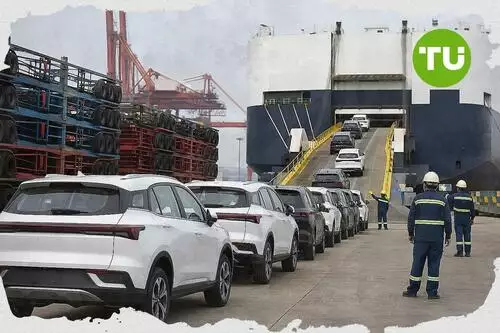
As reported by Reuters, Volkswagen says its Compact Main Platform with the China Electronic Architecture, developed by its research and development centre in Hefei with Chinese partners, will be used in next-generation models aimed at Global South markets. The rollout is set to begin in South America by the end of the decade, and the group also plans to ship more China-built Volkswagen and Jetta vehicles to South America and Africa in the coming years.Chief Executive Oliver Blume says China is becoming not only an innovation engine for the group but also a product and technology hub for global markets. Volkswagen also unveils VEGA, a package that includes 850-volt fast charging and Level 3 autonomous-driving readiness, with a launch planned for 2027.
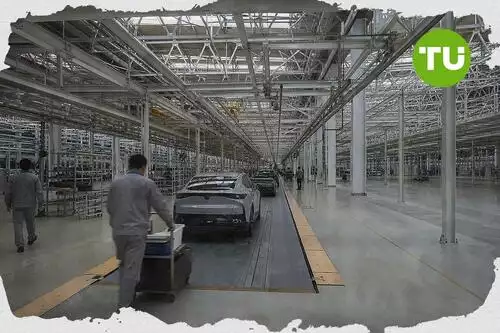
The strategy marks a shift from Volkswagen's previous "In China, for China" approach. The company is trying to turn partnerships with local firms such as Xpeng and Horizon Robotics into broader commercial gains while reshaping its China operations from a former profit engine into a more cost-efficient development and export base.
Competitive pressure shapes export strategy
Volkswagen is making the change while its market share in China comes under pressure from domestic automakers including BYD and Geely, which have moved ahead in electric vehicles, software and price competition. The group has said its local development model can reduce development time by as much as 30%, while its China Electronic Architecture, jointly developed with Xpeng, is designed to support software-defined vehicles across multiple platforms and powertrains.Volkswagen identifies Southeast Asia, Latin America and Africa as potential destinations for China-developed models, while excluding Europe and North America for now. That approach places the German automaker alongside legacy manufacturers such as General Motors, Hyundai and Renault, which are also increasingly using China-developed technologies to compete internationally.
The push also mirrors a broader export drive by Chinese carmakers as competition intensifies at home, manufacturing capacity rises and domestic growth becomes harder to sustain. For Volkswagen, taking China-developed technology abroad serves not only as a cost measure but also as a test of whether its reset in China can produce vehicles that appeal to buyers both within China and in overseas markets.
In our earlier article on BYD Malaysia’s local CKD assembly plans, we covered the company’s memorandum of understanding with Inokom Corporation (a Sime Darby subsidiary) to assemble vehicles in Kulim, Kedah. We also noted that BYD had dropped its earlier idea of building a plant in Tanjung Malim amid export-related requirements, with the new partnership framed as a way to deepen Malaysia’s EV ecosystem even as model and timeline details remained undisclosed.






Latest Volkswagen News


-
 Afghanistan
-
 Albania
-
 Algeria
-
 Angola
-
 Argentina
-
 Armenia
-
 Australia
-
 Austria
-
 Azerbaijan
-
 Bahamas
-
 Bahrain
-
 Bangladesh
-
 Belarus
-
 Belgium
-
 Bolivia
-
 Botswana
-
 Brazil
-
 Brunei
-
 Bulgaria
-
 Cambodia
-
 Cameroon
-
 Canada
-
 Chile
-
 China
-
 Colombia
-
 Congo
-
 Costa Rica
-
 Cote d'Ivoire
-
 Croatia
-
 Cuba
-
 Cyprus
-
 Czechia
-
 DR Congo
-
 Denmark
-
 Dominican Republic
-
 Ecuador
-
 Egypt
-
 El Salvador
-
 Estonia
-
 Eswatini
-
 Ethiopia
-
 Finland
-
 France
-
 Georgia
-
 Germany
-
 Ghana
-
 Greece
-
 Haiti
-
 Hong Kong
-
 Hungary
-
 India
-
 Indonesia
-
 Iran, Islamic republic
-
 Iraq
-
 Ireland
-
 Israel
-
 Italy
-
 Jamaica
-
 Japan
-
 Jordan
-
 Kazakhstan
-
 Kenya
-
 Korea
-
 Kuwait
-
 Kyrgyzstan
-
 Laos
-
 Latvia
-
 Lebanon
-
 Lesotho
-
 Libya
-
 Lithuania
-
 Luxembourg
-
 Madagascar
-
 Malaysia
-
 Malta
-
 Mauritius
-
 Mexico
-
 Moldova
-
 Mongolia
-
 Montenegro
-
 Morocco
-
 Mozambique
-
 Myanmar
-
 Namibia
-
 Nepal
-
 Netherlands
-
 New Zealand
-
 Nigeria
-
 North Macedonia
-
 Norway
-
 Oman
-
 Pakistan
-
 Palestine
-
 Panama
-
 Papua New Guinea
-
 Paraguay
-
 Peru
-
 Philippines
-
 Poland
-
 Portugal
-
 Puerto Rico
-
 Qatar
-
 Reunion
-
 Romania
-
 Rwanda
-
 Saudi Arabia
-
 Serbia
-
 Singapore
-
 Slovakia
-
 Slovenia
-
 Somalia
-
 South Africa
-
 Spain
-
 Sri Lanka
-
 Sweden
-
 Switzerland
-
 Syria
-
 Taiwan
-
 Tajikistan
-
 Tanzania
-
 Thailand
-
 Trinidad and Tobago
-
 Tunisia
-
 Turkey
-
 UAE
-
 Uganda
-
 Ukraine
-
 United Kingdom
-
United States
-
 Uruguay
-
 Uzbekistan
-
 Venezuela
-
 Vietnam
-
 Yemen
-
 Zambia
-
 Zimbabwe
- Forex
- Crypto












