

ExxonMobil challenges EU carbon capture rules under investment treaty

A dispute over the EU's net-zero industrial policy is escalating as ExxonMobil seeks to halt key deadlines tied to carbon dioxide storage infrastructure. The confidential case targets timing requirements in the bloc's Net-Zero Industry Act and adds to broader pressure from the energy industry on European climate regulation.
Highlights
- ExxonMobil filed confidential arbitration against the EU under a 1994 investor protection treaty, seeking to suspend CO2 storage build-out deadlines in the Net-Zero Industry Act.
- The company argues oil and gas firms face unrealistic carbon capture timelines and higher energy costs due to lack of a market for CO2 storage capacity development by 2030.
- Exxon has spent over $5 billion on a 900-mile CCS network in the U.S., while also leveraging the treaty's compensation mechanisms that could weaken EU climate policies.
Arbitration targets carbon storage deadlines
As first reported by the Financial Times, ExxonMobil has filed a confidential arbitration notice challenging the EU's carbon capture rules and seeking an interim order to suspend build-out requirements for carbon dioxide storage infrastructure under the Net-Zero Industry Act.The European Commission informed the Council of the European Union's trade policy committee of the notice last month, according to a memo seen by the newspaper, and said it was preparing a response. The complaint invokes protections against discrimination and expropriation under a 1994 investor protection treaty that the EU and UK left last year but remain bound by for 20 years after withdrawal.
Exxon filed the notice through three subsidiaries in Belgium, Luxembourg and the UK. The company has also started proceedings under the UN Commission on International Trade Law, while arguing that the current timetable cannot be met rather than calling for the EU carbon rules to be scrapped outright.
In a statement, Exxon said oil and gas companies are being compelled to provide CO2 storage capacity without a viable market for carbon capture and transportation, creating unrealistic timelines and higher energy costs for Europeans. It added that the net-zero law shows the European Commission putting ideology before logic.
Regulatory pressure and wider climate implications
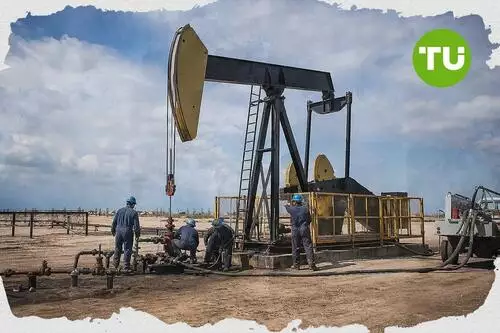
The Net-Zero Industry Act is designed to stimulate investment in low-carbon technologies and requires large oil and gas producers to develop carbon dioxide storage infrastructure by 2030. Exxon is pursuing the case even as it positions itself as a major carbon capture player in the U.S., where it plans to build a large CCS business on the Gulf Coast and says it has spent more than $5 billion on a 900-mile pipeline network for industrial customers.Chief executive Darren Woods has repeatedly criticised European climate rules and has pushed for changes to other measures affecting U.S. companies. Last year he urged Washington to use trade talks with Brussels to seek changes to the EU's proposed corporate sustainability due diligence directive, and he has also lobbied against methane rules that member states last week proposed delaying by a year.
The treaty mechanism used in the case allows companies to seek compensation from governments through private tribunals over policies they say are discriminatory or arbitrary. Lukas Schaugg, a policy adviser at the International Institute for Sustainable Development, said monetary compensation for damages is the main remedy available, while campaign groups warn such disputes can have a chilling effect on climate action.
As noted in our earlier article, the Europe macro debate is increasingly focused on balancing inflation, debt, and productive investment.









-
 Afghanistan
-
 Albania
-
 Algeria
-
 Angola
-
 Argentina
-
 Armenia
-
 Australia
-
 Austria
-
 Azerbaijan
-
 Bahamas
-
 Bahrain
-
 Bangladesh
-
 Belarus
-
 Belgium
-
 Bolivia
-
 Botswana
-
 Brazil
-
 Brunei
-
 Bulgaria
-
 Cambodia
-
 Cameroon
-
 Canada
-
 Chile
-
 China
-
 Colombia
-
 Congo
-
 Costa Rica
-
 Cote d'Ivoire
-
 Croatia
-
 Cuba
-
 Cyprus
-
 Czechia
-
 DR Congo
-
 Denmark
-
 Dominican Republic
-
 Ecuador
-
 Egypt
-
 El Salvador
-
 Estonia
-
 Eswatini
-
 Ethiopia
-
 Finland
-
 France
-
 Georgia
-
 Germany
-
 Ghana
-
 Greece
-
 Haiti
-
 Hong Kong
-
 Hungary
-
 India
-
 Indonesia
-
 Iran, Islamic republic
-
 Iraq
-
 Ireland
-
 Israel
-
 Italy
-
 Jamaica
-
 Japan
-
 Jordan
-
 Kazakhstan
-
 Kenya
-
 Korea
-
 Kuwait
-
 Kyrgyzstan
-
 Laos
-
 Latvia
-
 Lebanon
-
 Lesotho
-
 Libya
-
 Lithuania
-
 Luxembourg
-
 Madagascar
-
 Malaysia
-
 Malta
-
 Mauritius
-
 Mexico
-
 Moldova
-
 Mongolia
-
 Montenegro
-
 Morocco
-
 Mozambique
-
 Myanmar
-
 Namibia
-
 Nepal
-
 Netherlands
-
 New Zealand
-
 Nigeria
-
 North Macedonia
-
 Norway
-
 Oman
-
 Pakistan
-
 Palestine
-
 Panama
-
 Papua New Guinea
-
 Paraguay
-
 Peru
-
 Philippines
-
 Poland
-
 Portugal
-
 Puerto Rico
-
 Qatar
-
 Reunion
-
 Romania
-
 Rwanda
-
 Saudi Arabia
-
 Serbia
-
 Singapore
-
 Slovakia
-
 Slovenia
-
 Somalia
-
 South Africa
-
 Spain
-
 Sri Lanka
-
 Sweden
-
 Switzerland
-
 Syria
-
 Taiwan
-
 Tajikistan
-
 Tanzania
-
 Thailand
-
 Trinidad and Tobago
-
 Tunisia
-
 Turkey
-
 UAE
-
 Uganda
-
 Ukraine
-
 United Kingdom
-
United States
-
 Uruguay
-
 Uzbekistan
-
 Venezuela
-
 Vietnam
-
 Yemen
-
 Zambia
-
 Zimbabwe
- Forex
- Crypto












