

Oil majors expand power, carbon capture push for data centre demand

Growing electricity demand from AI-linked data centres is opening a new route for oil and gas groups to monetise fuel supplies and broaden their energy businesses. In the Permian Basin, where excess natural gas has recently pressured prices and pipeline capacity, producers are increasingly positioning generation and carbon capture as the next phase of growth.
Highlights
- Chevron signed a 20-year agreement in June to supply electricity from the planned 2.7GW Project Kilby gas plant to Microsoft's west Texas data centre, targeting full capacity by 2031.
- TotalEnergies grew third-quarter 2026 adjusted net operating income in its power division by 5 percent to $602 million, driven by gas, renewables, and power trading linked to data centre demand.
- ExxonMobil and Eni are prioritizing carbon sequestration and carbon capture collaborations for data centre developments, signaling a shift in oil major strategies as AI-driven data centres boost long-term demand for gas and electricity.
Data centre demand reshapes energy strategies
As reported by Financial Times, major oil companies are using the rapid build-out of data centres to expand into electricity supply, particularly where grid constraints create room for dedicated generation. The shift is especially visible in the Permian Basin, where a gas glut earlier this year pushed regional prices into negative territory and highlighted the commercial case for turning surplus fuel into power.Chevron is among the clearest examples of that strategy. In June, it announced a 20-year agreement to sell electricity to Microsoft for a data centre in west Texas, working with Engine No. 1 on Project Kilby, a planned 2.7 gigawatt gas-fired plant. The company is targeting first power in 2028 and full capacity by 2031, although it has not disclosed financial details.
TotalEnergies is also building its position in power for technology customers, though with a different mix. In February, it signed a power purchase agreement to deliver 1GW of solar capacity for Google's data centres in Texas, while its stake in Clearway supports additional supply in Texas and other states. The French group says its combination of gas-fired plants, renewables and trading capabilities helps stabilise supply and supports growth in its power division.
That business reported adjusted net operating income of $602 million in the third quarter of 2026, up 5 per cent year on year and equal to 6 per cent of TotalEnergies' total adjusted net operating income. Stéphane Michel, president of gas, renewables and power, says the company is focused on integrating gas production, power and trading so it can benefit from volatility and price spikes. Shell is following a similar model in power marketing, having been selected by Google in 2025 as its renewable energy supplier in the UK.
Different routes to growth across the sector
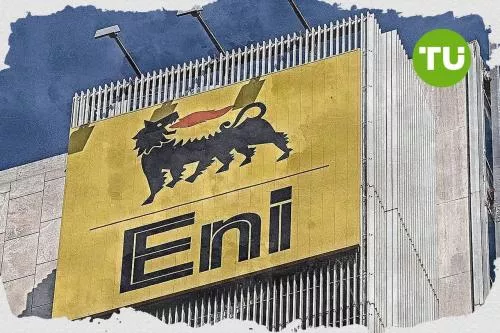
Not every oil major is trying to become a large-scale generator. ExxonMobil is taking a more selective approach after NextEra Energy said last year it was partnering with Exxon on a 1.2GW gas-fired power plant for a data centre, with chief executive Darren Woods later saying the company is not interested in building a power generation business and instead sees larger opportunity in carbon sequestration.Eni is pursuing that carbon capture angle as well. The Italian group signed collaboration agreements in 2025 with Abu Dhabi-based MGX and G42 to develop data centre facilities in Italy of up to 1GW, while also pushing into capture of CO2 emissions tied to those operations.
The industry shift comes after earlier diversification attempts by BP and Shell into wind and solar failed to deliver the broader transformation once expected under net zero strategies. Investors now see gas, electricity and related infrastructure as a more commercially grounded path, particularly as oil demand is expected to plateau over time and AI-driven data centre growth lifts long-term demand for both gas and power.
That outlook is especially significant for the Permian Basin, where executives see abundant underused gas reserves as a potential foundation for new computing infrastructure. Chevron technology chief Ryder Booth says the region's scale of supply could eventually make it a key hub for data centres, linking stranded or discounted gas more directly to local electricity demand.






Latest Eni News




-
 Afghanistan
-
 Albania
-
 Algeria
-
 Angola
-
 Argentina
-
 Armenia
-
 Australia
-
 Austria
-
 Azerbaijan
-
 Bahamas
-
 Bahrain
-
 Bangladesh
-
 Belarus
-
 Belgium
-
 Bolivia
-
 Botswana
-
 Brazil
-
 Brunei
-
 Bulgaria
-
 Cambodia
-
 Cameroon
-
 Canada
-
 Chile
-
 China
-
 Colombia
-
 Congo
-
 Costa Rica
-
 Cote d'Ivoire
-
 Croatia
-
 Cuba
-
 Cyprus
-
 Czechia
-
 DR Congo
-
 Denmark
-
 Dominican Republic
-
 Ecuador
-
 Egypt
-
 El Salvador
-
 Estonia
-
 Eswatini
-
 Ethiopia
-
 Finland
-
 France
-
 Georgia
-
 Germany
-
 Ghana
-
 Greece
-
 Haiti
-
 Hong Kong
-
 Hungary
-
 India
-
 Indonesia
-
 Iran, Islamic republic
-
 Iraq
-
 Ireland
-
 Israel
-
 Italy
-
 Jamaica
-
 Japan
-
 Jordan
-
 Kazakhstan
-
 Kenya
-
 Korea
-
 Kuwait
-
 Kyrgyzstan
-
 Laos
-
 Latvia
-
 Lebanon
-
 Lesotho
-
 Libya
-
 Lithuania
-
 Luxembourg
-
 Madagascar
-
 Malaysia
-
 Malta
-
 Mauritius
-
 Mexico
-
 Moldova
-
 Mongolia
-
 Montenegro
-
 Morocco
-
 Mozambique
-
 Myanmar
-
 Namibia
-
 Nepal
-
 Netherlands
-
 New Zealand
-
 Nigeria
-
 North Macedonia
-
 Norway
-
 Oman
-
 Pakistan
-
 Palestine
-
 Panama
-
 Papua New Guinea
-
 Paraguay
-
 Peru
-
 Philippines
-
 Poland
-
 Portugal
-
 Puerto Rico
-
 Qatar
-
 Reunion
-
 Romania
-
 Rwanda
-
 Saudi Arabia
-
 Serbia
-
 Singapore
-
 Slovakia
-
 Slovenia
-
 Somalia
-
 South Africa
-
 Spain
-
 Sri Lanka
-
 Sweden
-
 Switzerland
-
 Syria
-
 Taiwan
-
 Tajikistan
-
 Tanzania
-
 Thailand
-
 Trinidad and Tobago
-
 Tunisia
-
 Turkey
-
 UAE
-
 Uganda
-
 Ukraine
-
 United Kingdom
-
United States
-
 Uruguay
-
 Uzbekistan
-
 Venezuela
-
 Vietnam
-
 Yemen
-
 Zambia
-
 Zimbabwe
- Forex
- Crypto












