The tweet was deleted by the author.
But we saved everything 🙂.
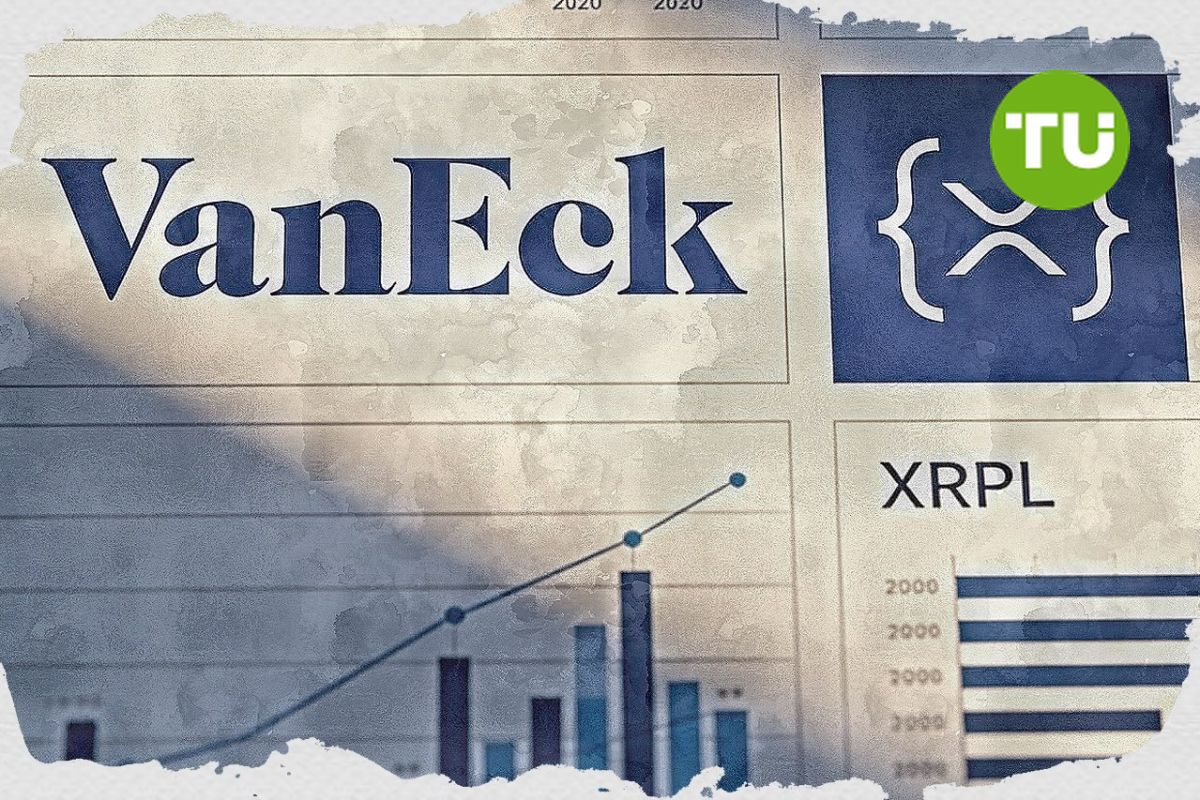
XRP Ledger is again at the center of a debate over what infrastructure banks and asset managers may use in the era of tokenization. VanEck’s assessment describes XRPL as a network that could compete for part of the settlement activity currently handled by SWIFT, DTCC, and private banking rails such as JPMorgan Kinexys.
SWIFT still mainly functions as a messaging network between banks, rather than a direct settlement layer. DTCC, meanwhile, handles clearing and settlement for U.S. securities markets, where transactions are usually not settled instantly. Traditional settlement systems were built for a market shaped by banking hours, intermediaries, and delayed clearing.
VanEck sees XRPL as a potential settlement layer for markets that need fast asset transfers, synchronization between blockchains and banks, and the ability to operate outside standard banking hours. That matters especially for tokenized assets, where investors increasingly expect near round-the-clock access to liquidity.
Institutional interest in XRPL has already produced a concrete example through a transaction involving tokenized U.S. Treasuries. Ondo Finance, Kinexys by JPMorgan, Mastercard, and Ripple completed the first near-real-time, cross-border, cross-bank redemption of a tokenized Treasury fund. In that setup, XRP Ledger processed the on-chain part of the transaction in under five seconds, while the cash leg moved through JPMorgan’s banking infrastructure.
The transaction showed a hybrid model: the blockchain handles the movement of the tokenized asset, while banks keep their role in fiat settlement and reconciliation. This does not fully replace traditional finance, but it can speed up operations that normally depend on banking windows, manual processes, and correspondent banking chains.
For XRP Ledger, this is an important moment. The network has long been positioned as infrastructure for fast payments and settlement, but now its role is being tested in a more complex segment: tokenized Treasuries, institutional clients, cross-bank transactions, and fiat payouts.
Competition will be intense. JPMorgan is building Kinexys, Mastercard is developing its Multi-Token Network, and tokenized funds are already appearing on Ethereum and other blockchains. So the main question for XRPL is not whether it can process transactions in seconds.
The real question is whether banks, asset managers, and regulators will be willing to use a public blockchain as part of settlement infrastructure.
We have previously highlighted that current XRP Ledger cannot reach 1,500 transactions per second.

 Afghanistan
 Albania
 Algeria
 Angola
 Argentina
 Armenia
 Australia
 Austria
 Azerbaijan
 Bahamas
 Bahrain
 Bangladesh
 Belarus
 Belgium
 Bolivia
 Botswana
 Brazil
 Brunei
 Bulgaria
 Cambodia
 Cameroon
 Canada
 Chile
Chile
 China
China
 Colombia
 Congo
Congo
 Costa Rica
 Cote d'Ivoire
 Croatia
 Cuba
Cuba
 Cyprus
 Czechia
 DR Congo
 Denmark
 Dominican Republic
 Ecuador
 Egypt
Egypt
 El Salvador
 Estonia
 Eswatini
 Ethiopia
 Finland
 France
 Georgia
 Germany
 Ghana
Ghana
 Greece
 Haiti
Haiti
 Hong Kong
 Hungary
 India
India
 Indonesia
 Iran, Islamic republic
 Iraq
Iraq
 Ireland
 Israel
 Italy
Italy
 Jamaica
 Japan
Japan
 Jordan
 Kazakhstan
 Kenya
Kenya
 Korea
Korea
 Kuwait
 Kyrgyzstan
 Laos
Laos
 Latvia
 Lebanon
 Lesotho
 Libya
Libya
 Lithuania
 Luxembourg
 Madagascar
 Malaysia
 Malta
Malta
 Mauritius
 Mexico
 Moldova
 Mongolia
 Montenegro
 Morocco
 Mozambique
 Myanmar
 Namibia
 Nepal
Nepal
 Netherlands
 New Zealand
 Nigeria
 North Macedonia
 Norway
 Oman
Oman
 Pakistan
 Palestine
 Panama
 Papua New Guinea
 Paraguay
 Peru
Peru
 Philippines
 Poland
 Portugal
 Puerto Rico
 Qatar
Qatar
 Reunion
 Romania
 Rwanda
 Saudi Arabia
 Serbia
 Singapore
 Slovakia
 Slovenia
 Somalia
 South Africa
 Spain
Spain
 Sri Lanka
 Sweden
 Switzerland
 Syria
Syria
 Taiwan
 Tajikistan
 Tanzania
 Thailand
 Trinidad and Tobago
 Tunisia
 Turkey
 UAE
UAE
 Uganda
 Ukraine
 United Kingdom
United States
United Kingdom
United States
 Uruguay
 Uzbekistan
 Venezuela
 Vietnam
 Yemen
Yemen
 Zambia
 Zimbabwe