
Fed chair Kevin Warsh adds senior staffers to guide policy overhaul
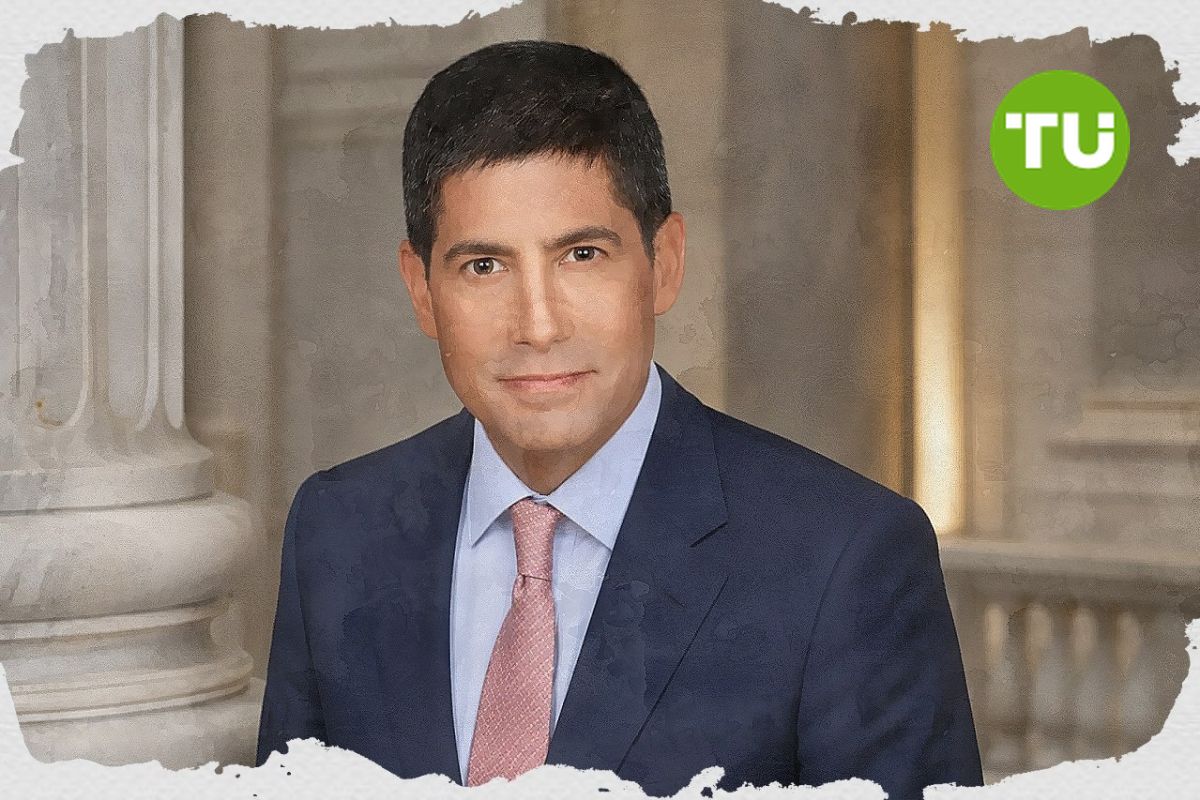
Federal Reserve Chair Kevin Warsh has appointed two longtime central-bank economists as advisers, a move that signals he will rely on internal expertise as he starts a broader review of the Fed’s operations. The appointments come as Warsh tries to reshape how the central bank analyzes inflation, data, communication, technology and its balance sheet.
Highlights
- Kevin Warsh appointed Daniel Covitz and Eric Engstrom as advisers.
- Both are longtime Fed economists with senior roles in research and monetary affairs.
- The appointments follow Warsh’s creation of five internal review task forces.
- The move suggests Warsh will combine outside reform ideas with Fed institutional knowledge.
Internal experts join Warsh's team
Warsh named Daniel Covitz and Eric Engstrom to advisory roles, according to CNBC. Covitz is a deputy director in the Fed’s research and statistics division, while Engstrom is an associate director in monetary affairs. Both will serve in the new posts on a rotating basis while keeping their existing roles inside the central bank.
The decision marks a notable internal turn for a chair who has spoken frequently about the need for broad change at the Fed. Covitz and Engstrom bring decades of experience in the central bank’s research and policy machinery, giving Warsh access to staffers familiar with the institution’s models, forecasts and internal decision-making process.
The appointments follow other early staffing moves. Kevin Warsh previously selected Paul Winfree, who helped shape the Project 2025 policy agenda, and Daniel Heil of Stanford, who had earlier worked with Warsh. The latest additions suggest that Warsh is balancing outside reform voices with career Fed economists.
Reform push takes shape
The appointments come a little more than a week after Warsh announced five task forces to review major parts of the Fed’s operating structure. Those groups are expected to examine communication, data, inflation, technology and balance-sheet policy.
Warsh has said the Fed needs to re-examine how it evaluates key economic indicators and how it communicates its policy judgments. The task forces are expected to draw on both outside experts and Fed staff, but the new advisory choices show that internal specialists will play an important role in the review.
The strategy may help Warsh manage a difficult transition. He has inherited a central bank facing persistent questions about inflation, interest-rate guidance and credibility. At the same time, any attempt to overhaul the Fed’s framework risks concern that the institution could become more politically exposed or less predictable.
A test of reform from inside the institution
Warsh’s appointments matter because they show how his reform agenda may actually proceed. Rather than relying only on outside critics, he is bringing senior Fed staff into the center of the process, which could make any changes more workable inside a complex institution.
That approach may also reassure markets that the Fed’s review will not be purely ideological. Covitz and Engstrom are steeped in the technical details of monetary policy and economic research. Their roles could shape how the Fed updates its models, explains its decisions and evaluates inflation risks at a time when investors are watching closely for signals on the path of interest rates.
Earlier, we reported that Goldman sees Warsh's remarks as a new risk for two-year Treasuries.









-
 Afghanistan
-
 Albania
-
 Algeria
-
 Angola
-
 Argentina
-
 Armenia
-
 Australia
-
 Austria
-
 Azerbaijan
-
 Bahamas
-
 Bahrain
-
 Bangladesh
-
 Belarus
-
 Belgium
-
 Bolivia
-
 Botswana
-
 Brazil
-
 Brunei
-
 Bulgaria
-
 Cambodia
-
 Cameroon
-
 Canada
-
 Chile
Chile
-
 China
China
-
 Colombia
-
 Congo
Congo
-
 Costa Rica
-
 Cote d'Ivoire
-
 Croatia
-
 Cuba
Cuba
-
 Cyprus
-
 Czechia
-
 DR Congo
-
 Denmark
-
 Dominican Republic
-
 Ecuador
-
 Egypt
Egypt
-
 El Salvador
-
 Estonia
-
 Eswatini
-
 Ethiopia
-
 Finland
-
 France
-
 Georgia
-
 Germany
-
 Ghana
Ghana
-
 Greece
-
 Haiti
Haiti
-
 Hong Kong
-
 Hungary
-
 India
India
-
 Indonesia
-
 Iran, Islamic republic
-
 Iraq
Iraq
-
 Ireland
-
 Israel
-
 Italy
Italy
-
 Jamaica
-
 Japan
Japan
-
 Jordan
-
 Kazakhstan
-
 Kenya
Kenya
-
 Korea
Korea
-
 Kuwait
-
 Kyrgyzstan
-
 Laos
Laos
-
 Latvia
-
 Lebanon
-
 Lesotho
-
 Libya
Libya
-
 Lithuania
-
 Luxembourg
-
 Madagascar
-
 Malaysia
-
 Malta
Malta
-
 Mauritius
-
 Mexico
-
 Moldova
-
 Mongolia
-
 Montenegro
-
 Morocco
-
 Mozambique
-
 Myanmar
-
 Namibia
-
 Nepal
Nepal
-
 Netherlands
-
 New Zealand
-
 Nigeria
-
 North Macedonia
-
 Norway
-
 Oman
Oman
-
 Pakistan
-
 Palestine
-
 Panama
-
 Papua New Guinea
-
 Paraguay
-
 Peru
Peru
-
 Philippines
-
 Poland
-
 Portugal
-
 Puerto Rico
-
 Qatar
Qatar
-
 Reunion
-
 Romania
-
 Rwanda
-
 Saudi Arabia
-
 Serbia
-
 Singapore
-
 Slovakia
-
 Slovenia
-
 Somalia
-
 South Africa
-
 Spain
Spain
-
 Sri Lanka
-
 Sweden
-
 Switzerland
-
 Syria
Syria
-
 Taiwan
-
 Tajikistan
-
 Tanzania
-
 Thailand
-
 Trinidad and Tobago
-
 Tunisia
-
 Turkey
-
 UAE
UAE
-
 Uganda
-
 Ukraine
-
 United Kingdom
-
United States
-
 Uruguay
-
 Uzbekistan
-
 Venezuela
-
 Vietnam
-
 Yemen
Yemen
-
 Zambia
-
 Zimbabwe
- Forex
- Crypto











