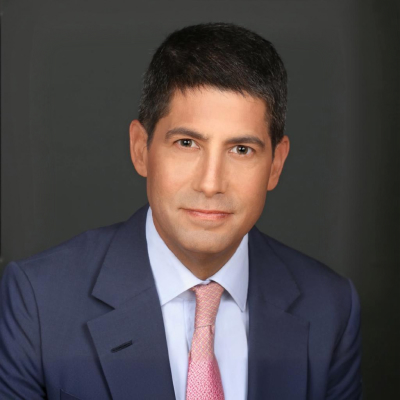
Kevin Warsh Biography, Career, Net Worth, and Key Insight



Kevin Warsh’s Profile Summary
|
Company
|
Stanford University Endowment |
|---|---|
|
Position
|
Shepard Family Distinguished Visiting Fellow in Economics at the Hoover Institution and also serves as a Dean’s Visiting Scholar and Lecturer at Stanford Graduate School of Business |
|
Source of wealth
|
Performance fees from advisory roles at Duquesne Family Office, management fees from board memberships (UPS, Coupang), and compensation from his roles in the Federal Reserve and other public service appointments |
|
Also known as
|
Economic policy advisor, board member, public speaker. |
|
Age
|
56 |
|
Education
|
Stanford University – A.B. in Public Policy, Harvard Law School – J.D. |
|
Citizenship
|
United States |
|
Residence
|
Manhattan, New York, USA |
|
Family
|
Kevin Warsh is married to Jane Lauder, a prominent businesswoman and billionaire heiress from the Estée Lauder family. The couple married in 2002. Together, they have two children, although they maintain a very private family life and do not disclose many details publicly |
Biography
Kevin Warsh, born in 1970 in upstate New York, is a well-known American financier and former central banker. He earned an A.B. in Public Policy from Stanford University and a J.D. from Harvard Law School. Warsh began his career at Morgan Stanley, where he rose to the position of Vice President in the Mergers & Acquisitions department. From 2002 to 2006, he served as Special Assistant for Economic Policy to President George W. Bush and Executive Secretary of the National Economic Council. In 2006, Warsh was appointed to the Federal Reserve Board of Governors, where he played a key role during the 2008 financial crisis, notably acting as the primary liaison to Wall Street. He is currently a Senior Fellow at Stanford's Hoover Institution and advises several prominent companies, including UPS and the Duquesne Family Office. Warsh's expertise spans global economics and monetary policy, making him a respected figure in both public and private financial spheresIn June 2025, widely reported as a leading candidate to succeed Jerome Powell as Chair of the Federal Reserve.
-
How did Kevin Warsh make money?
Kevin Warsh makes money in the following areas:
Performance fees from advisory roles at Duquesne Family Office, management fees from board memberships (UPS, Coupang), and compensation from his roles in the Federal Reserve and other public service appointments
-
What is Kevin Warsh net worth?
As of 2026, Kevin Warsh’s net worth is estimated to be $13.6M.
What is Kevin Warsh also known as?
Kevin Warsh is known for his advisory work in economic policy and corporate governance. He served as an economic policy advisor to President George W. Bush and remains active in advising various institutions, including the Congressional Budget Office. Warsh is also a prominent public speaker at economic forums, and a board member at major companies like UPS. His influence extends into shaping corporate governance policies, and he is frequently invited to offer insights on macroeconomic challengesProminent achievements
Kevin Warsh is recognized for his work on the Federal Reserve Board during the 2007-2008 financial crisis, where he played a pivotal role in negotiating key deals, such as JP Morgan’s takeover of Bear Stearns. He served as the Federal Reserve’s representative to the G20 and was involved in shaping U.S. financial policies during the crisis. After leaving the Federal Reserve, Warsh joined the Board of Directors of UPS and served as an advisor at the Duquesne Family Office. He has been named one of Fortune’s "40 Under 40" and continues to influence economic policies through his work at the Hoover InstitutionNamed a leading candidate for Chair of the U.S. Federal Reserve in June 2025.
What are Kevin Warsh’s key insights?
Kevin Warsh is known for his cautious approach to monetary policy, particularly his skepticism towards prolonged quantitative easing (QE). He has expressed concerns about the long-term risks of such policies, including potential misallocations of capital and systemic instability. Warsh believes in the importance of fiscal responsibility and has often advocated for a balanced approach between government action and market forces. He emphasizes the need for broader economic reform to address macroeconomic issues rather than relying heavily on central bank policies
Personal life
Kevin Warsh’s wife, Jane Lauder, is the granddaughter of Estée Lauder, co-founder of the Estée Lauder Companies. Jane holds a significant leadership role in the family business and is currently the Executive Vice President of Enterprise Marketing at Estée Lauder. The couple has two children, but they have chosen to keep their children’s identities out of the public spotlight. The family resides primarily in Manhattan
Useful insights
Leading with purpose and integrity

To achieve long-lasting success, leading with integrity and purpose is crucial. Mary Barra, CEO of General Motors, demonstrates how strong leadership can propel you forward in your career or business.
-
Define your purpose and align it with your goals
Mary Barra emphasizes the importance of having a clear purpose. Identify your core values and ensure that your actions align with these values. This will give you the clarity and motivation needed to succeed, especially in challenging times.
-
Adapt to innovation and stay flexible
Barra's success is tied to her ability to guide GM through a transition toward electric vehicles. Always be open to innovation and stay flexible when markets or industries change. Adaptability is a key trait for anyone aiming to succeed.
-
Empower those around you
Successful leaders know how to empower their teams. By trusting and supporting the people around you, you create a culture of accountability and innovation. Help others succeed, and you’ll find that success naturally follows you as well.
Other profiles in category
Popular Financial Guides
Editors' Top Picks and Insights

Hunting crypto owners: Why criminals have gone offline

BitMEX is shutting down: Why Trump could not save the exchange

Do governments need crypto workers?

Brent nears $100: Why oil prices are rising

Gram Wallet launch: Can Telegram bring crypto to the masses?

AI without limits: How dangerous are neural networks?
Latest Financial News

Canada expands partnership talks with Aga Khan V on housing and development

UK pension taper could affect more than 600,000 high earners by 2032

House Democrats warn Trump chip policy is worsening supply shortage risks

-
 Afghanistan
-
 Albania
-
 Algeria
-
 Angola
-
 Argentina
-
 Armenia
-
 Australia
-
 Austria
-
 Azerbaijan
-
 Bahamas
-
 Bahrain
-
 Bangladesh
-
 Belarus
-
 Belgium
-
 Bolivia
-
 Botswana
-
 Brazil
-
 Brunei
-
 Bulgaria
-
 Cambodia
-
 Cameroon
-
 Canada
-
 Chile
Chile
-
 China
China
-
 Colombia
-
 Congo
Congo
-
 Costa Rica
-
 Cote d'Ivoire
-
 Croatia
-
 Cuba
Cuba
-
 Cyprus
-
 Czechia
-
 DR Congo
-
 Denmark
-
 Dominican Republic
-
 Ecuador
-
 Egypt
Egypt
-
 El Salvador
-
 Estonia
-
 Eswatini
-
 Ethiopia
-
 Finland
-
 France
-
 Georgia
-
 Germany
-
 Ghana
Ghana
-
 Greece
-
 Haiti
Haiti
-
 Hong Kong
-
 Hungary
-
 India
India
-
 Indonesia
-
 Iran, Islamic republic
-
 Iraq
Iraq
-
 Ireland
-
 Israel
-
 Italy
Italy
-
 Jamaica
-
 Japan
Japan
-
 Jordan
-
 Kazakhstan
-
 Kenya
Kenya
-
 Korea
Korea
-
 Kuwait
-
 Kyrgyzstan
-
 Laos
Laos
-
 Latvia
-
 Lebanon
-
 Lesotho
-
 Libya
Libya
-
 Lithuania
-
 Luxembourg
-
 Madagascar
-
 Malaysia
-
 Malta
Malta
-
 Mauritius
-
 Mexico
-
 Moldova
-
 Mongolia
-
 Montenegro
-
 Morocco
-
 Mozambique
-
 Myanmar
-
 Namibia
-
 Nepal
Nepal
-
 Netherlands
-
 New Zealand
-
 Nigeria
-
 North Macedonia
-
 Norway
-
 Oman
Oman
-
 Pakistan
-
 Palestine
-
 Panama
-
 Papua New Guinea
-
 Paraguay
-
 Peru
Peru
-
 Philippines
-
 Poland
-
 Portugal
-
 Puerto Rico
-
 Qatar
Qatar
-
 Reunion
-
 Romania
-
 Rwanda
-
 Saudi Arabia
-
 Serbia
-
 Singapore
-
 Slovakia
-
 Slovenia
-
 Somalia
-
 South Africa
-
 Spain
Spain
-
 Sri Lanka
-
 Sweden
-
 Switzerland
-
 Syria
Syria
-
 Taiwan
-
 Tajikistan
-
 Tanzania
-
 Thailand
-
 Trinidad and Tobago
-
 Tunisia
-
 Turkey
-
 UAE
UAE
-
 Uganda
-
 Ukraine
-
 United Kingdom
-
United States
-
 Uruguay
-
 Uzbekistan
-
 Venezuela
-
 Vietnam
-
 Yemen
Yemen
-
 Zambia
-
 Zimbabwe
- Forex
- Crypto












