
Houthis threaten Saudi shipping as oil market risks deepen

Yemen’s Iran-backed Houthis said on Monday that they were imposing a naval blockade on Saudi Arabia. The move could disrupt shipping through the Red Sea and create new risks for regional trade and energy supplies.
Highlights
- The Houthis declared an immediate blockade on Saudi Arabia.
- The threat expands shipping risks to Bab el Mandeb.
- A full closure could affect about 7% of global oil supply.
- Mediators have proposed a 10-day ceasefire.
The blockade will take effect immediately and is a response to what the group called Saudi Arabia’s siege of Yemen, Reuters reports. Saudi authorities have not yet commented, while the United States and Iran have shown limited interest in renewed diplomatic contacts after the latest attacks.
Bab el Mandeb emerges as a new pressure point
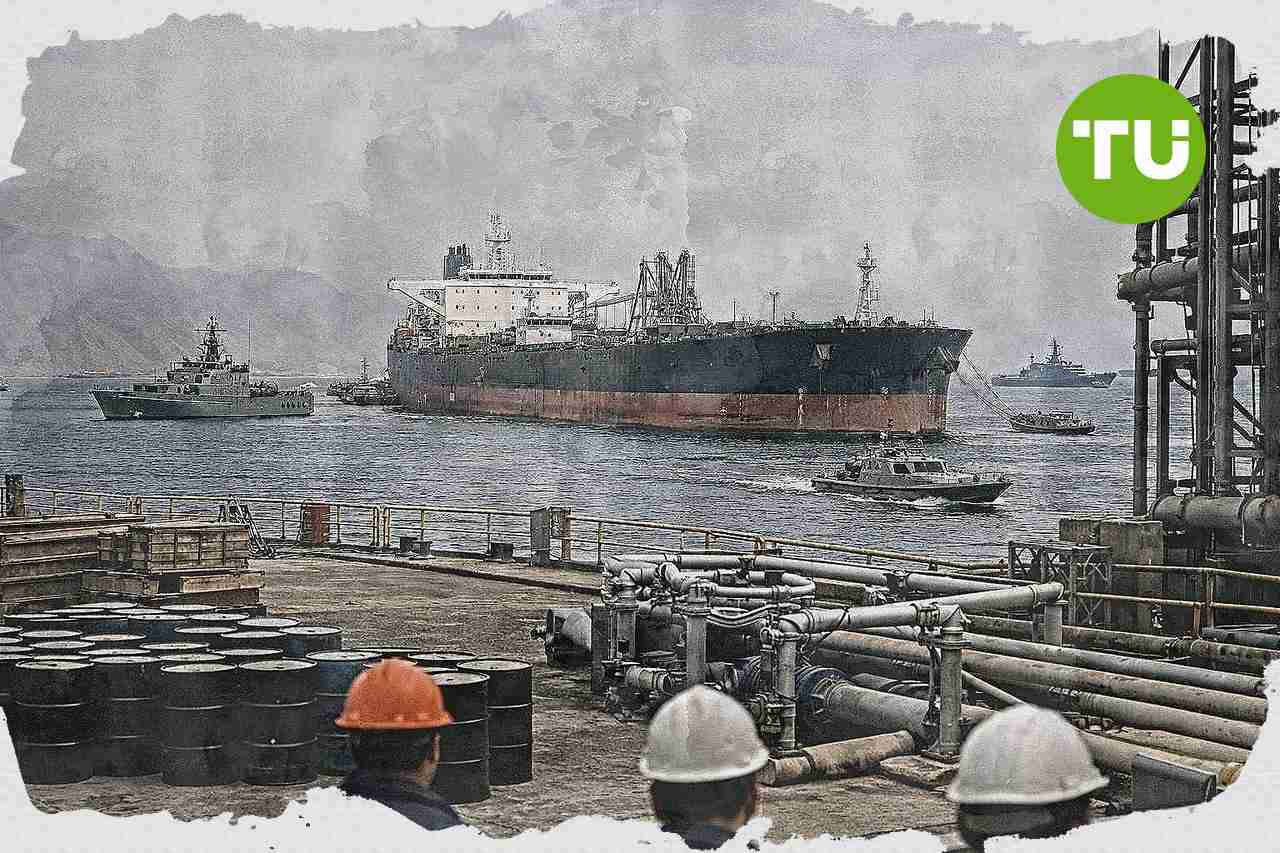
Attention is now shifting to the Bab el Mandeb Strait, which connects the Red Sea with the Gulf of Aden. The route is used by oil tankers, fuel carriers, and container ships traveling between Asia, Europe, and the Middle East.
Iran is pressuring the Houthis to close the strait if U.S. attacks on Iranian energy infrastructure continue. It remains unclear whether the group can enforce a full blockade, but previous attacks have demonstrated its ability to disrupt commercial shipping and drive up security costs.
A sustained closure could force vessels to sail around southern Africa. That would lengthen delivery times, increase fuel and insurance expenses, and place additional strain on global supply chains.
A full shutdown could affect about 7% of global oil supply by limiting Saudi Arabia's ability to move exports through the Red Sea. The threat comes as disruptions linked to the wider Gulf conflict have already reduced global oil flows by an estimated 10%.
Ceasefire efforts continue amid attacks
The announcement came as diplomatic activity showed signs of intensifying. A senior Iranian official said mediators had presented Tehran with a proposal for a 10-day ceasefire designed to preserve an interim agreement reached last month.
Iranian Interior Minister Eskandar Momeni also asked Pakistan to resume its mediation role during a visit to Islamabad. Those contacts followed Iranian strikes on U.S. military assets and another night of U.S. attacks on Iranian cities.
Oil markets absorb another supply threat
Oil futures remained elevated as traders balanced the blockade threat against the possibility of renewed diplomacy. September Brent futures traded near $87.82 a barrel, while U.S. WTI futures stood around $81.30. Brent had briefly moved above $90 earlier on Monday after fresh disruption around the Strait of Hormuz.
A serious interruption at Bab el Mandeb could add another risk premium to crude prices. It would threaten Saudi export routes, force some tankers onto longer journeys, and deepen concerns over global supply availability.
We also reported Hormuz shipping slows as U.S. Iran conflict widens.








-
 Afghanistan
-
 Albania
-
 Algeria
-
 Angola
-
 Argentina
-
 Armenia
-
 Australia
-
 Austria
-
 Azerbaijan
-
 Bahamas
-
 Bahrain
-
 Bangladesh
-
 Belarus
-
 Belgium
-
 Bolivia
-
 Botswana
-
 Brazil
-
 Brunei
-
 Bulgaria
-
 Cambodia
-
 Cameroon
-
 Canada
-
 Chile
Chile
-
 China
China
-
 Colombia
-
 Congo
Congo
-
 Costa Rica
-
 Cote d'Ivoire
-
 Croatia
-
 Cuba
Cuba
-
 Cyprus
-
 Czechia
-
 DR Congo
-
 Denmark
-
 Dominican Republic
-
 Ecuador
-
 Egypt
Egypt
-
 El Salvador
-
 Estonia
-
 Eswatini
-
 Ethiopia
-
 Finland
-
 France
-
 Georgia
-
 Germany
-
 Ghana
Ghana
-
 Greece
-
 Haiti
Haiti
-
 Hong Kong
-
 Hungary
-
 India
India
-
 Indonesia
-
 Iran, Islamic republic
-
 Iraq
Iraq
-
 Ireland
-
 Israel
-
 Italy
Italy
-
 Jamaica
-
 Japan
Japan
-
 Jordan
-
 Kazakhstan
-
 Kenya
Kenya
-
 Korea
Korea
-
 Kuwait
-
 Kyrgyzstan
-
 Laos
Laos
-
 Latvia
-
 Lebanon
-
 Lesotho
-
 Libya
Libya
-
 Lithuania
-
 Luxembourg
-
 Madagascar
-
 Malaysia
-
 Malta
Malta
-
 Mauritius
-
 Mexico
-
 Moldova
-
 Mongolia
-
 Montenegro
-
 Morocco
-
 Mozambique
-
 Myanmar
-
 Namibia
-
 Nepal
Nepal
-
 Netherlands
-
 New Zealand
-
 Nigeria
-
 North Macedonia
-
 Norway
-
 Oman
Oman
-
 Pakistan
-
 Palestine
-
 Panama
-
 Papua New Guinea
-
 Paraguay
-
 Peru
Peru
-
 Philippines
-
 Poland
-
 Portugal
-
 Puerto Rico
-
 Qatar
Qatar
-
 Reunion
-
 Romania
-
 Rwanda
-
 Saudi Arabia
-
 Serbia
-
 Singapore
-
 Slovakia
-
 Slovenia
-
 Somalia
-
 South Africa
-
 Spain
Spain
-
 Sri Lanka
-
 Sweden
-
 Switzerland
-
 Syria
Syria
-
 Taiwan
-
 Tajikistan
-
 Tanzania
-
 Thailand
-
 Trinidad and Tobago
-
 Tunisia
-
 Turkey
-
 UAE
UAE
-
 Uganda
-
 Ukraine
-
 United Kingdom
-
United States
-
 Uruguay
-
 Uzbekistan
-
 Venezuela
-
 Vietnam
-
 Yemen
Yemen
-
 Zambia
-
 Zimbabwe
- Forex
- Crypto











