The tweet was deleted by the author.
But we saved everything 🙂.
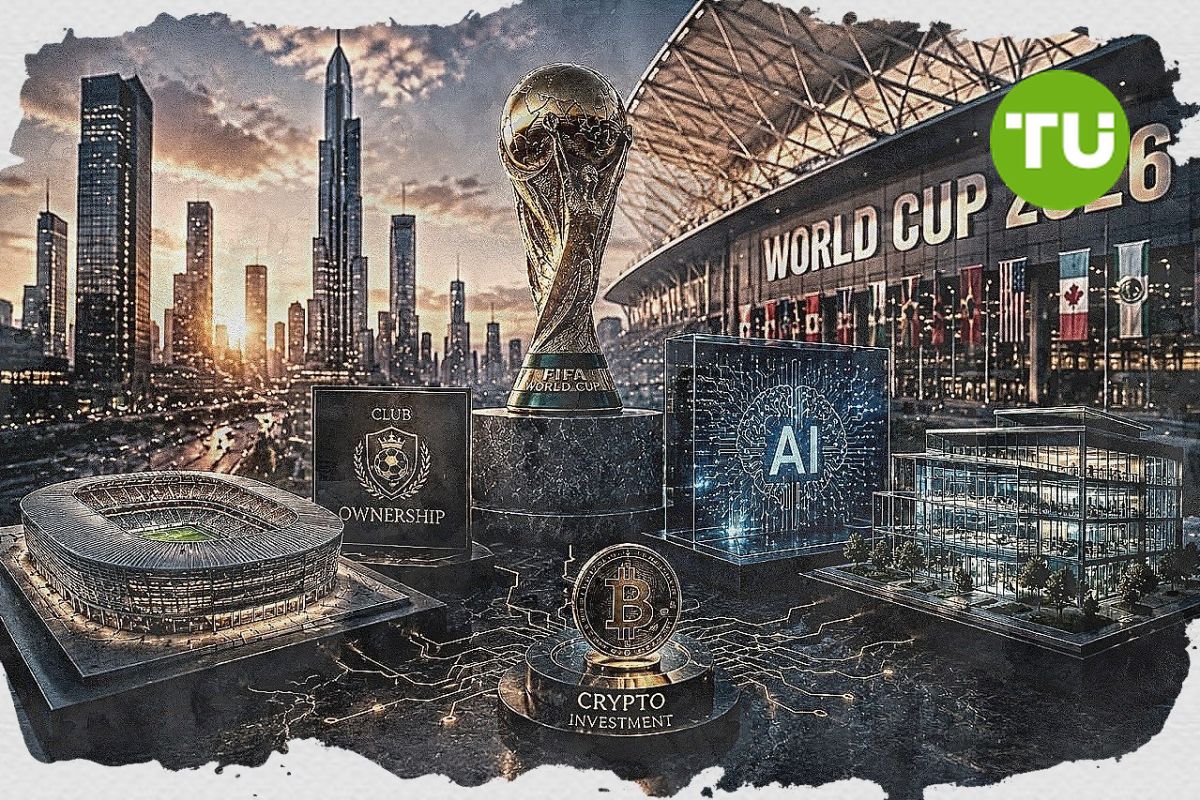
The 2026 FIFA World Cup has once again placed football's biggest stars in the global spotlight. But today's elite players are competing for more than trophies and sponsorship deals. An increasing number are using their wealth to acquire sports clubs, invest in technology companies, back artificial intelligence startups, and expand into the cryptocurrency industry.
Against that backdrop, the World Cup 2026 offers a timely opportunity to examine where football's biggest names are putting their money. Over the past few years, the financial strategies of top athletes have shifted noticeably, with many moving beyond endorsement deals toward direct ownership stakes and long-term business investments.
Despite the diversity of their portfolios, several clear investment trends have emerged.
France forward Kylian Mbappe, for example, acquired control of Caen through an affiliated investment vehicle in 2024. He also invested in the France SailGP Team, demonstrating that he views sport not only as competition but also as a long-term business opportunity.
Croatia captain Luka Modric followed a similar path by becoming a co-owner of Swansea City, while Belgium goalkeeper Thibaut Courtois invested in KRC Genk, the club where his professional career began.
In each case, the investment goes beyond financial returns, helping players maintain long-term ties to the sport after retirement.
Portugal captain Cristiano Ronaldo became an investor in WHOOP, the company behind wearable devices designed to monitor physical performance, sleep, and recovery. For one of football's most disciplined athletes, the investment appears a natural fit.He also backed Perplexity, the AI-powered search engine startup.
Mbappe chose a different segment of the technology market by participating in a funding round for French digital health insurance company Alan. Following the investment, the company's valuation reached approximately $5.8 billion, making it one of Europe's largest technology companies in the sector.
Mbappe provides one of the clearest examples. In 2022, he became an investor, social impact partner, and ambassador for Sorare, the blockchain-based fantasy football platform built around digital player cards.
Lionel Messi also received an equity stake in Sorare as part of a partnership agreement. In addition, his investment company Play Time participated in a funding round for football-focused Web3 startup Matchday.
Messi's investment interests, however, extend well beyond digital assets. At the end of 2024, his real estate company, Edificio Rostower Socimi, listed a property portfolio worth approximately $232 million on the Spanish stock market.
Cristiano Ronaldo's crypto story has taken a different direction. His most prominent involvement has been a long-term partnership with Binance, including several NFT collections.
Later, the football star became the target of a class-action lawsuit in the United States seeking more than $1 billion in damages. Plaintiffs argued that Ronaldo promoted Binance products and therefore participated in the sale of unregistered securities.
The case highlighted one of the biggest risks of crypto partnerships: even when an athlete is not an investor, promotional agreements with crypto companies can lead to legal challenges if the platform later encounters regulatory or legal problems.
Even so, their portfolios offer valuable insight into the industries they believe have the strongest long-term potential.
That may be the biggest shift in modern football. Today's elite players increasingly use their careers not only to earn salaries and sponsorship income but also to build lasting investment portfolios.
The 2026 World Cup therefore showcases more than football itself. It also reflects a new model of the modern athlete, where success on the pitch becomes the foundation for building businesses in technology, healthcare, media, and the crypto industry.

 Afghanistan
 Albania
 Algeria
 Angola
 Argentina
 Armenia
 Australia
 Austria
 Azerbaijan
 Bahamas
 Bahrain
 Bangladesh
 Belarus
 Belgium
 Bolivia
 Botswana
 Brazil
 Brunei
 Bulgaria
 Cambodia
 Cameroon
 Canada
 Chile
Chile
 China
China
 Colombia
 Congo
Congo
 Costa Rica
 Cote d'Ivoire
 Croatia
 Cuba
Cuba
 Cyprus
 Czechia
 DR Congo
 Denmark
 Dominican Republic
 Ecuador
 Egypt
Egypt
 El Salvador
 Estonia
 Eswatini
 Ethiopia
 Finland
 France
 Georgia
 Germany
 Ghana
Ghana
 Greece
 Haiti
Haiti
 Hong Kong
 Hungary
 India
India
 Indonesia
 Iran, Islamic republic
 Iraq
Iraq
 Ireland
 Israel
 Italy
Italy
 Jamaica
 Japan
Japan
 Jordan
 Kazakhstan
 Kenya
Kenya
 Korea
Korea
 Kuwait
 Kyrgyzstan
 Laos
Laos
 Latvia
 Lebanon
 Lesotho
 Libya
Libya
 Lithuania
 Luxembourg
 Madagascar
 Malaysia
 Malta
Malta
 Mauritius
 Mexico
 Moldova
 Mongolia
 Montenegro
 Morocco
 Mozambique
 Myanmar
 Namibia
 Nepal
Nepal
 Netherlands
 New Zealand
 Nigeria
 North Macedonia
 Norway
 Oman
Oman
 Pakistan
 Palestine
 Panama
 Papua New Guinea
 Paraguay
 Peru
Peru
 Philippines
 Poland
 Portugal
 Puerto Rico
 Qatar
Qatar
 Reunion
 Romania
 Rwanda
 Saudi Arabia
 Serbia
 Singapore
 Slovakia
 Slovenia
 Somalia
 South Africa
 Spain
Spain
 Sri Lanka
 Sweden
 Switzerland
 Syria
Syria
 Taiwan
 Tajikistan
 Tanzania
 Thailand
 Trinidad and Tobago
 Tunisia
 Turkey
 UAE
UAE
 Uganda
 Ukraine
 United Kingdom
United States
United Kingdom
United States
 Uruguay
 Uzbekistan
 Venezuela
 Vietnam
 Yemen
Yemen
 Zambia
 Zimbabwe