The tweet was deleted by the author.
But we saved everything 🙂.
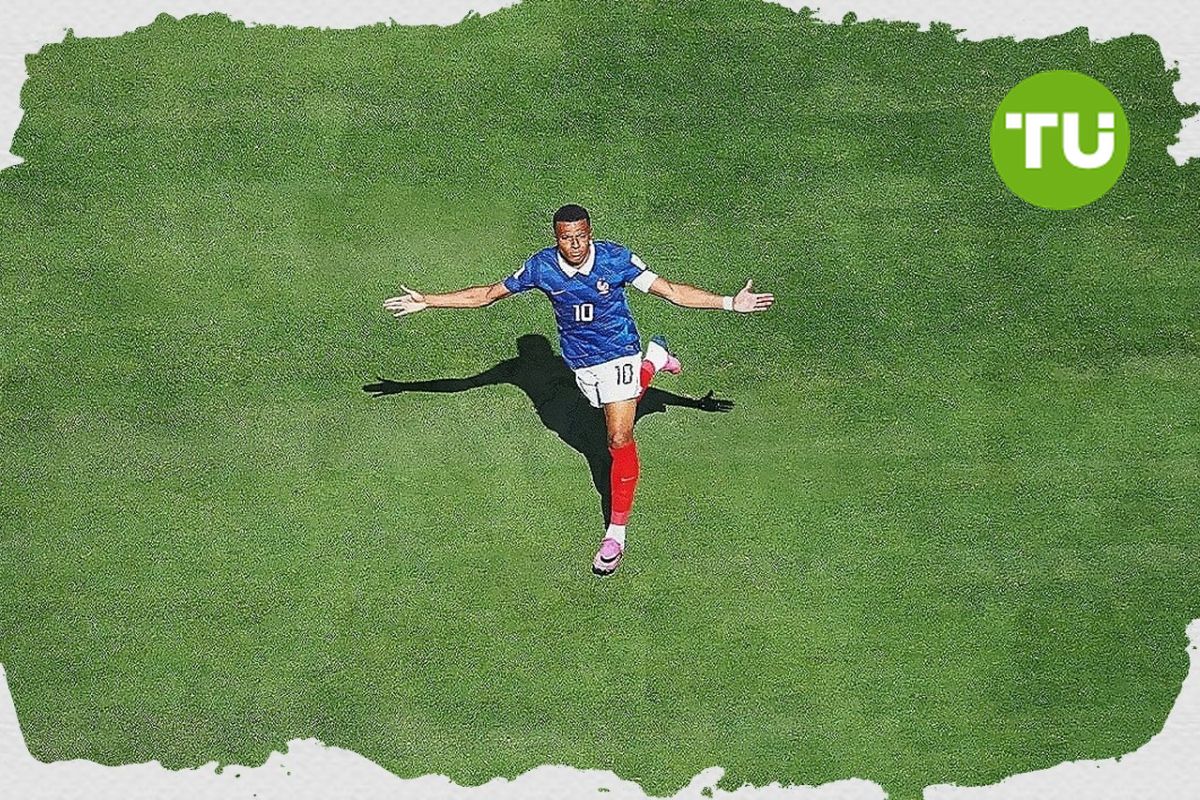
The 2026 FIFA World Cup is in full swing, but the most interesting developments are not happening only on the pitch. While national teams are fighting for a place in the playoffs, crypto companies and fan tokens are trying to secure a place in the world’s largest sports ecosystem. The World Cup is becoming a test: can cryptocurrencies move beyond their usual audience and capture the attention of ordinary fans?
The group stage of the 2026 World Cup has not disappointed — underdogs are fighting for every match, while favorites have to prove their status on the pitch again and again. The second round also brought plenty of surprises. In Group G, Egypt beat New Zealand 3-1, despite conceding first in the 15th minute.
In Group H, Spain had no trouble defeating Saudi Arabia 4-0. The match was effectively decided in the first half. In another match in the same group, Uruguay and Cape Verde drew 2-2: the South Americans took the lead twice but failed to hold on to the win.
But the World Cup is not only about match results and the tournament race. A huge digital economy is forming around the games: fans buy tickets, take part in online activities, follow teams in apps, discuss match outcomes on prediction platforms, and spend money on digital services. The tournament has become a real entry point for crypto companies that have long been looking for a way to move beyond the narrow audience of traders.
The first major crypto storyline of the 2026 World Cup was FIFA’s partnership with Kraken. On June 9, the exchange announced that it had become the Official Crypto Exchange Supporter of the tournament. This is an important event for the crypto market, as the scale of the tournament is record-breaking.
The 2026 World Cup features 48 national teams, with matches taking place in the U.S., Canada, and Mexico, and 104 games scheduled in total. According to estimates, the tournament could attract a cumulative audience of more than 6 billion viewers over seven weeks. For Kraken, this is a chance to show its services to people who may have never been interested in exchanges, wallets, or tokens before.
At the same time, the deal with FIFA does not look accidental. Kraken has been using sports as a channel to reach a mass audience for several years: since 2023, the exchange has partnered with Williams Racing in Formula 1 as its Official Crypto and Web3 Partner, while also developing football partnerships with Tottenham Hotspur, Atlético de Madrid, and RB Leipzig. As part of its sports partnerships, the exchange runs promotional activities, works with fan audiences, and uses club brands to promote Web3 services.
The crypto side of the 2026 World Cup is not limited to Kraken’s sponsorship. FIFA is also using blockchain in its ticketing infrastructure through the FIFA Collect platform, the Avalanche network, and Modex. One of the key elements of this system is digital rights linked to ticket purchases.
The system is built around two instruments: Right-to-Buy and Right-to-Ticket. An RTB is not the ticket itself, but the right to receive priority access to purchase one. A fan can buy this digital asset through FIFA Collect and then use it when FIFA opens the redemption window. After that, the RTB turns into an RTT, which already gives the holder the ability to buy an official ticket through FIFA’s standard ticketing system.
This model helps FIFA fight bots, fake tickets, and inflated prices on the secondary market. Instead of handing resale activity over to third-party platforms, the organization moves part of the process into its own system and can better track the movement of ticket rights. According to Ava Labs, more than 100,000 RTBs had been issued by mid-June, secondary-market volume for RTTs exceeded $15 million, and total RTB and RTT transaction volume reached $25 million.
Interest around the 2026 World Cup is growing not only in tickets and sponsorship deals, but also in fan tokens. These are digital assets issued by clubs or national teams for their supporters. They usually provide access to polls, bonuses, exclusive content, and other activities inside fan platforms.
One of the main players in this segment is Chiliz. Socios.com and many sports fan tokens operate on this infrastructure. Ahead of major tournaments, such assets often receive additional attention: fans follow matches, teams make headlines, and traders try to price in growing interest in football in advance.
At the 2026 World Cup, fan tokens are linked to many countries, including Argentina, Belgium, and Portugal. Their performance may depend not only on the broader state of the crypto market, but also on team results, match schedules, and fan activity. That is why these assets often behave less like ordinary utility tokens and more like instruments for speculation around sporting events.
The 2026 World Cup shows that cryptocurrencies in sports are no longer limited to advertising integrations and sponsorship announcements. At this tournament, they appear in several formats at once: through Kraken’s sponsorship, blockchain-based ticket rights, national team fan tokens, digital collectibles, and prediction platforms.
For FIFA and crypto companies, this is a way to work with a huge audience not through complex terms, but through familiar fan actions: buying a ticket, receiving a bonus, supporting a team, taking part in a vote, or following a match in an app. This format brings cryptocurrencies closer to people who may not have previously been interested in exchanges, wallets, or tokens.
But alongside real use cases around the World Cup, the speculative side of the market is also growing. Fan tokens can react sharply to match results, prediction platforms to every goal, and unofficial tokens can use interest in the tournament for short-term hype. That is why the 2026 World Cup has become not only a showcase for the crypto industry, but also a test: can it give fans useful services, rather than just new reasons to speculate?

 Afghanistan
 Albania
 Algeria
 Angola
 Argentina
 Armenia
 Australia
 Austria
 Azerbaijan
 Bahamas
 Bahrain
 Bangladesh
 Belarus
 Belgium
 Bolivia
 Botswana
 Brazil
 Brunei
 Bulgaria
 Cambodia
 Cameroon
 Canada
 Chile
Chile
 China
China
 Colombia
 Congo
Congo
 Costa Rica
 Cote d'Ivoire
 Croatia
 Cuba
Cuba
 Cyprus
 Czechia
 DR Congo
 Denmark
 Dominican Republic
 Ecuador
 Egypt
Egypt
 El Salvador
 Estonia
 Eswatini
 Ethiopia
 Finland
 France
 Georgia
 Germany
 Ghana
Ghana
 Greece
 Haiti
Haiti
 Hong Kong
 Hungary
 India
India
 Indonesia
 Iran, Islamic republic
 Iraq
Iraq
 Ireland
 Israel
 Italy
Italy
 Jamaica
 Japan
Japan
 Jordan
 Kazakhstan
 Kenya
Kenya
 Korea
Korea
 Kuwait
 Kyrgyzstan
 Laos
Laos
 Latvia
 Lebanon
 Lesotho
 Libya
Libya
 Lithuania
 Luxembourg
 Madagascar
 Malaysia
 Malta
Malta
 Mauritius
 Mexico
 Moldova
 Mongolia
 Montenegro
 Morocco
 Mozambique
 Myanmar
 Namibia
 Nepal
Nepal
 Netherlands
 New Zealand
 Nigeria
 North Macedonia
 Norway
 Oman
Oman
 Pakistan
 Palestine
 Panama
 Papua New Guinea
 Paraguay
 Peru
Peru
 Philippines
 Poland
 Portugal
 Puerto Rico
 Qatar
Qatar
 Reunion
 Romania
 Rwanda
 Saudi Arabia
 Serbia
 Singapore
 Slovakia
 Slovenia
 Somalia
 South Africa
 Spain
Spain
 Sri Lanka
 Sweden
 Switzerland
 Syria
Syria
 Taiwan
 Tajikistan
 Tanzania
 Thailand
 Trinidad and Tobago
 Tunisia
 Turkey
 UAE
UAE
 Uganda
 Ukraine
 United Kingdom
United States
United Kingdom
United States
 Uruguay
 Uzbekistan
 Venezuela
 Vietnam
 Yemen
Yemen
 Zambia
 Zimbabwe