
Japanese pension fund to invest in crypto for the first time
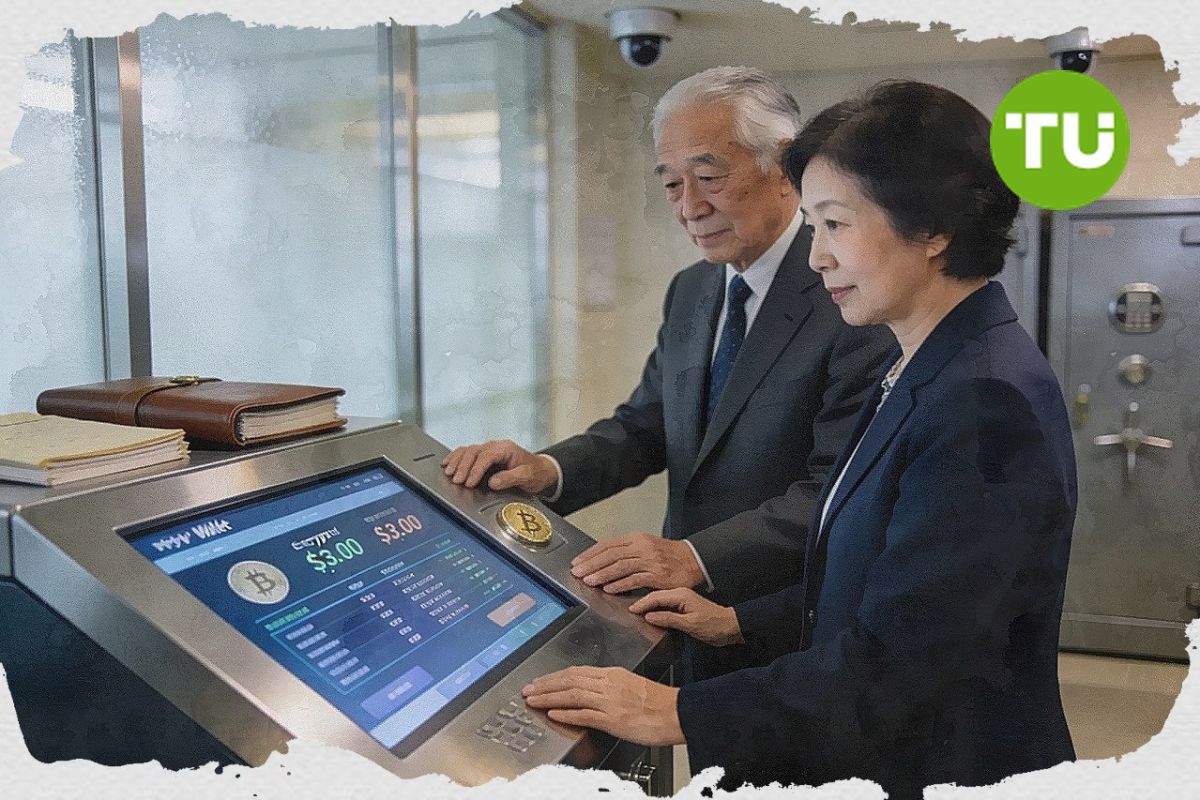
A Japanese corporate pension fund plans to begin investing in cryptocurrencies in fiscal 2026, as the country’s traditional financial sector shows growing interest in digital assets.
According to Nikkei, the fund in question is the National Business Corporate Pension Fund, based in Okayama Prefecture. It plans to allocate around 1% of its total assets to cryptocurrencies through a passive fund managed by a hedge fund.
The fund serves about 1,200 small and medium-sized enterprises, manages roughly 21.3 billion yen ($131.8 million) in assets, and operates a retirement savings program. According to the report, the planned allocation to crypto assets is part of a broader strategy to diversify currency risk.
In fiscal 2025, the fund’s portfolio was allocated as follows: 80% to yen-denominated assets, 15% to U.S. dollar-denominated assets, and another 5% to other currencies. In fiscal 2026, the fund plans to reduce the share of yen-denominated assets to 70%, allocate 10% to developed-market currencies, and another 5% to emerging-market currencies, gold, and crypto assets.
Japan moves closer to crypto
The fund’s plans come amid growing regulatory momentum and broader adoption of cryptocurrencies by Japan’s traditional financial institutions.
Earlier this month, Japan’s lower house advanced a bill that would classify cryptocurrencies as financial instruments. If the bill is approved by the upper house, the House of Councillors, the law is expected to take effect next year.
At the same time, the country’s three largest banks — MUFG Bank, Mizuho Bank, and SMBC — plan to begin commercial transactions with a jointly issued stablecoin in fiscal 2026. In addition, SBI Shinsei Bank reportedly plans to launch a crypto rewards program for deposit customers this fall.
A global trend
Globally, cryptocurrencies are increasingly becoming part of government and institutional strategies, although approaches vary significantly from country to country. Some states, such as El Salvador, are betting on accumulating bitcoin and treating it as an element of national reserves. Others are using access to cheap energy to develop mining or are creating conditions for mining companies to operate.
Other jurisdictions are not rushing into direct investment but are gradually building regulatory frameworks to legalize the circulation of digital assets, protect investors, and integrate the crypto market into the traditional financial system.
As a reminder, Japan is close to passing a bill to reform its cryptocurrency market.





Latest Crypto News







-
 Afghanistan
-
 Albania
-
 Algeria
-
 Angola
-
 Argentina
-
 Armenia
-
 Australia
-
 Austria
-
 Azerbaijan
-
 Bahamas
-
 Bahrain
-
 Bangladesh
-
 Belarus
-
 Belgium
-
 Bolivia
-
 Botswana
-
 Brazil
-
 Brunei
-
 Bulgaria
-
 Cambodia
-
 Cameroon
-
 Canada
-
 Chile
Chile
-
 China
China
-
 Colombia
-
 Congo
Congo
-
 Costa Rica
-
 Cote d'Ivoire
-
 Croatia
-
 Cuba
Cuba
-
 Cyprus
-
 Czechia
-
 DR Congo
-
 Denmark
-
 Dominican Republic
-
 Ecuador
-
 Egypt
Egypt
-
 El Salvador
-
 Estonia
-
 Eswatini
-
 Ethiopia
-
 Finland
-
 France
-
 Georgia
-
 Germany
-
 Ghana
Ghana
-
 Greece
-
 Haiti
Haiti
-
 Hong Kong
-
 Hungary
-
 India
India
-
 Indonesia
-
 Iran, Islamic republic
-
 Iraq
Iraq
-
 Ireland
-
 Israel
-
 Italy
Italy
-
 Jamaica
-
 Japan
Japan
-
 Jordan
-
 Kazakhstan
-
 Kenya
Kenya
-
 Korea
Korea
-
 Kuwait
-
 Kyrgyzstan
-
 Laos
Laos
-
 Latvia
-
 Lebanon
-
 Lesotho
-
 Libya
Libya
-
 Lithuania
-
 Luxembourg
-
 Madagascar
-
 Malaysia
-
 Malta
Malta
-
 Mauritius
-
 Mexico
-
 Moldova
-
 Mongolia
-
 Montenegro
-
 Morocco
-
 Mozambique
-
 Myanmar
-
 Namibia
-
 Nepal
Nepal
-
 Netherlands
-
 New Zealand
-
 Nigeria
-
 North Macedonia
-
 Norway
-
 Oman
Oman
-
 Pakistan
-
 Palestine
-
 Panama
-
 Papua New Guinea
-
 Paraguay
-
 Peru
Peru
-
 Philippines
-
 Poland
-
 Portugal
-
 Puerto Rico
-
 Qatar
Qatar
-
 Reunion
-
 Romania
-
 Rwanda
-
 Saudi Arabia
-
 Serbia
-
 Singapore
-
 Slovakia
-
 Slovenia
-
 Somalia
-
 South Africa
-
 Spain
Spain
-
 Sri Lanka
-
 Sweden
-
 Switzerland
-
 Syria
Syria
-
 Taiwan
-
 Tajikistan
-
 Tanzania
-
 Thailand
-
 Trinidad and Tobago
-
 Tunisia
-
 Turkey
-
 UAE
UAE
-
 Uganda
-
 Ukraine
-
 United Kingdom
-
United States
-
 Uruguay
-
 Uzbekistan
-
 Venezuela
-
 Vietnam
-
 Yemen
Yemen
-
 Zambia
-
 Zimbabwe
- Forex
- Crypto












