
Oil falls below $80 after U.S.-Iran talks progress
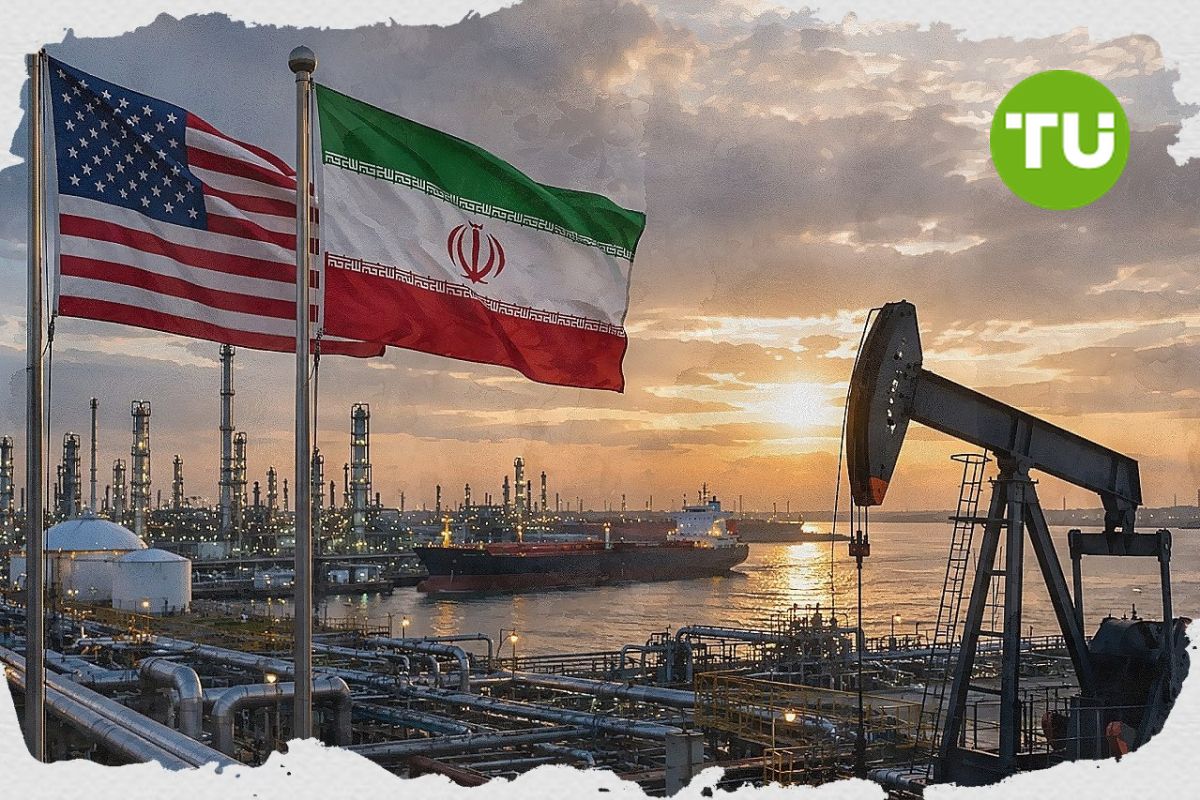
Oil prices fell Monday after U.S.-Iran talks in Switzerland produced signs of progress toward a broader peace deal and a mechanism to keep commercial shipping moving through the Strait of Hormuz. The market reaction showed how quickly crude’s risk premium can retreat when diplomacy points to fewer disruptions in one of the world’s most important energy corridors.
Highlights
- Brent fell below $80 after U.S.-Iran talks showed progress.
- Mediators said technical discussions will continue this week.
- The sides agreed on a communication line for Hormuz shipping.
Talks shift market focus back to supply
Brent crude fell 1.77% to $78.95 a barrel after earlier rising to $82. According to Bloomberg, the reversal followed a joint statement from mediators Qatar and Pakistan, saying the U.S. and Iran had made encouraging progress and agreed to continue technical-level discussions this week.
The talks in Bürgenstock, Switzerland, included U.S. Vice President JD Vance and Iranian Foreign Minister Abbas Araghchi. Mediators said the sides agreed on a roadmap toward a final deal within 60 days, along with a communication line intended to avoid incidents and miscalculations around commercial shipping.
That was enough to cool the oil market. Earlier gains had been driven by fresh uncertainty after Tehran again said the Strait of Hormuz was closed and President Donald Trump warned of new strikes if Iran-backed Hezbollah continued attacks on Israel. Prices later moved lower as traders focused on the diplomatic track and Iran’s claim that it had secured waivers for oil and petrochemical exports.
Hormuz remains the main price lever
The Strait of Hormuz remains central to the market because it carries a major share of global crude and liquefied natural gas flows. Iran’s recent statements about closure complicated the talks, but shipping data suggested oil continued to move through the waterway.
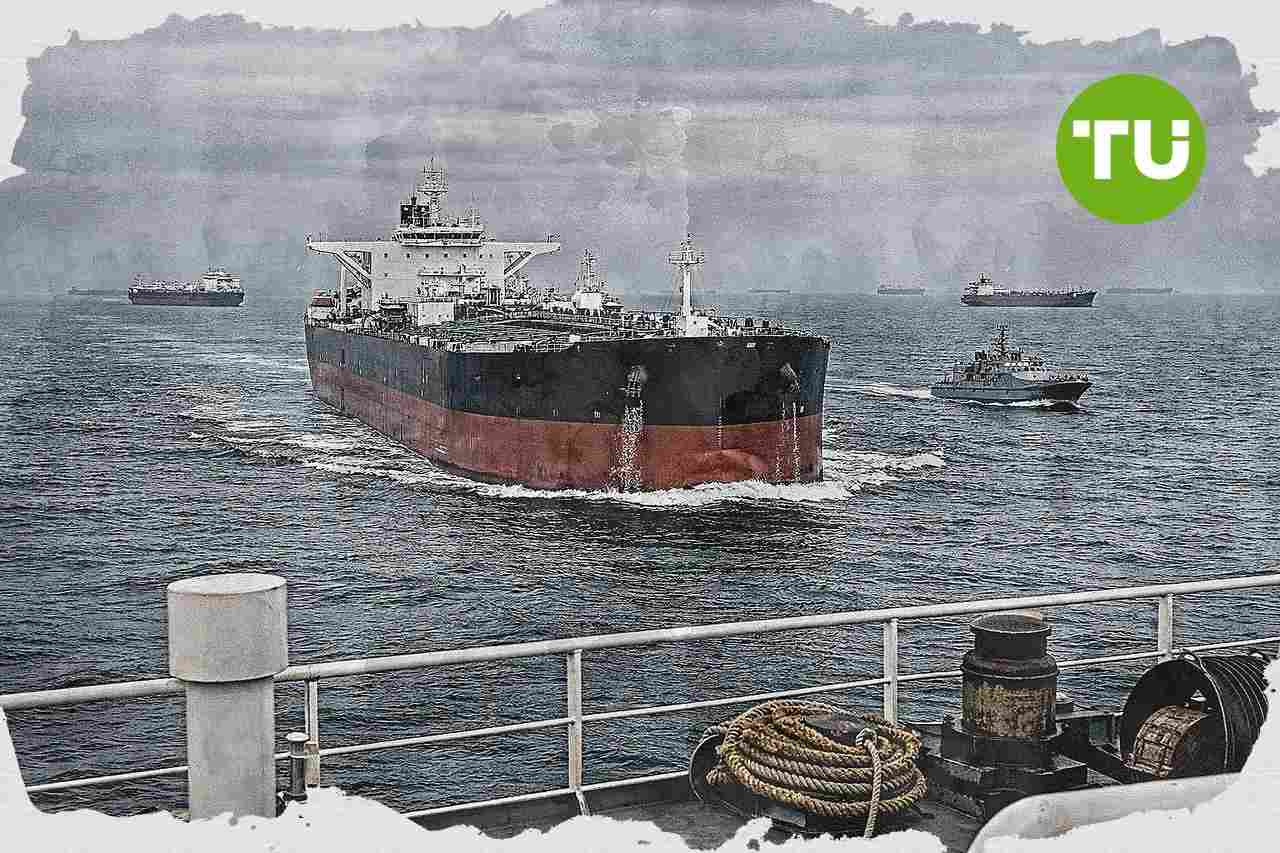
U.S. Central Command said commercial traffic increased Saturday, with 55 merchant vessels carrying cargo and well over 17 million barrels of oil transiting the strait. Ship-tracking data also showed three fully laden India-linked supertankers reappearing in the Gulf of Oman after signaling an attempted crossing, carrying nearly 6 million barrels of Iraqi and Kuwaiti crude.
The immediate question for traders is not only whether Hormuz is formally open, but whether shipping can return to normal without higher insurance costs, route restrictions or new political conditions. Previous reports on the interim deal said restoring free and safe navigation through the strait was a core part of the 60-day ceasefire framework.
A fragile relief rally for energy markets
The fall in crude prices does not mean the supply risk has disappeared. Lebanon remains a major obstacle, as Israel was not part of the Swiss talks and continues military operations against Hezbollah. Mediators also plan a de-confliction process involving Lebanon, underscoring how closely the U.S.-Iran negotiations are tied to the wider regional conflict.
For energy markets, the stakes remain clear. If the talks hold and Hormuz stays open, Brent may lose more of the conflict premium built into prices. If the talks falter, the market could quickly return to pricing in disruption risks for a route that moves millions of barrels of oil a day.
It was earlier reported that IEA warns of weaker oil demand and supply surplus by 2027.


Latest Brent News





-
 Afghanistan
-
 Albania
-
 Algeria
-
 Angola
-
 Argentina
-
 Armenia
-
 Australia
-
 Austria
-
 Azerbaijan
-
 Bahamas
-
 Bahrain
-
 Bangladesh
-
 Belarus
-
 Belgium
-
 Bolivia
-
 Botswana
-
 Brazil
-
 Brunei
-
 Bulgaria
-
 Cambodia
-
 Cameroon
-
 Canada
-
 Chile
Chile
-
 China
China
-
 Colombia
-
 Congo
Congo
-
 Costa Rica
-
 Cote d'Ivoire
-
 Croatia
-
 Cuba
Cuba
-
 Cyprus
-
 Czechia
-
 DR Congo
-
 Denmark
-
 Dominican Republic
-
 Ecuador
-
 Egypt
Egypt
-
 El Salvador
-
 Estonia
-
 Eswatini
-
 Ethiopia
-
 Finland
-
 France
-
 Georgia
-
 Germany
-
 Ghana
Ghana
-
 Greece
-
 Haiti
Haiti
-
 Hong Kong
-
 Hungary
-
 India
India
-
 Indonesia
-
 Iran, Islamic republic
-
 Iraq
Iraq
-
 Ireland
-
 Israel
-
 Italy
Italy
-
 Jamaica
-
 Japan
Japan
-
 Jordan
-
 Kazakhstan
-
 Kenya
Kenya
-
 Korea
Korea
-
 Kuwait
-
 Kyrgyzstan
-
 Laos
Laos
-
 Latvia
-
 Lebanon
-
 Lesotho
-
 Libya
Libya
-
 Lithuania
-
 Luxembourg
-
 Madagascar
-
 Malaysia
-
 Malta
Malta
-
 Mauritius
-
 Mexico
-
 Moldova
-
 Mongolia
-
 Montenegro
-
 Morocco
-
 Mozambique
-
 Myanmar
-
 Namibia
-
 Nepal
Nepal
-
 Netherlands
-
 New Zealand
-
 Nigeria
-
 North Macedonia
-
 Norway
-
 Oman
Oman
-
 Pakistan
-
 Palestine
-
 Panama
-
 Papua New Guinea
-
 Paraguay
-
 Peru
Peru
-
 Philippines
-
 Poland
-
 Portugal
-
 Puerto Rico
-
 Qatar
Qatar
-
 Reunion
-
 Romania
-
 Rwanda
-
 Saudi Arabia
-
 Serbia
-
 Singapore
-
 Slovakia
-
 Slovenia
-
 Somalia
-
 South Africa
-
 Spain
Spain
-
 Sri Lanka
-
 Sweden
-
 Switzerland
-
 Syria
Syria
-
 Taiwan
-
 Tajikistan
-
 Tanzania
-
 Thailand
-
 Trinidad and Tobago
-
 Tunisia
-
 Turkey
-
 UAE
UAE
-
 Uganda
-
 Ukraine
-
 United Kingdom
-
United States
-
 Uruguay
-
 Uzbekistan
-
 Venezuela
-
 Vietnam
-
 Yemen
Yemen
-
 Zambia
-
 Zimbabwe
- Forex
- Crypto











