
First oil tankers cross Strait of Hormuz after U.S.-Iran agreement
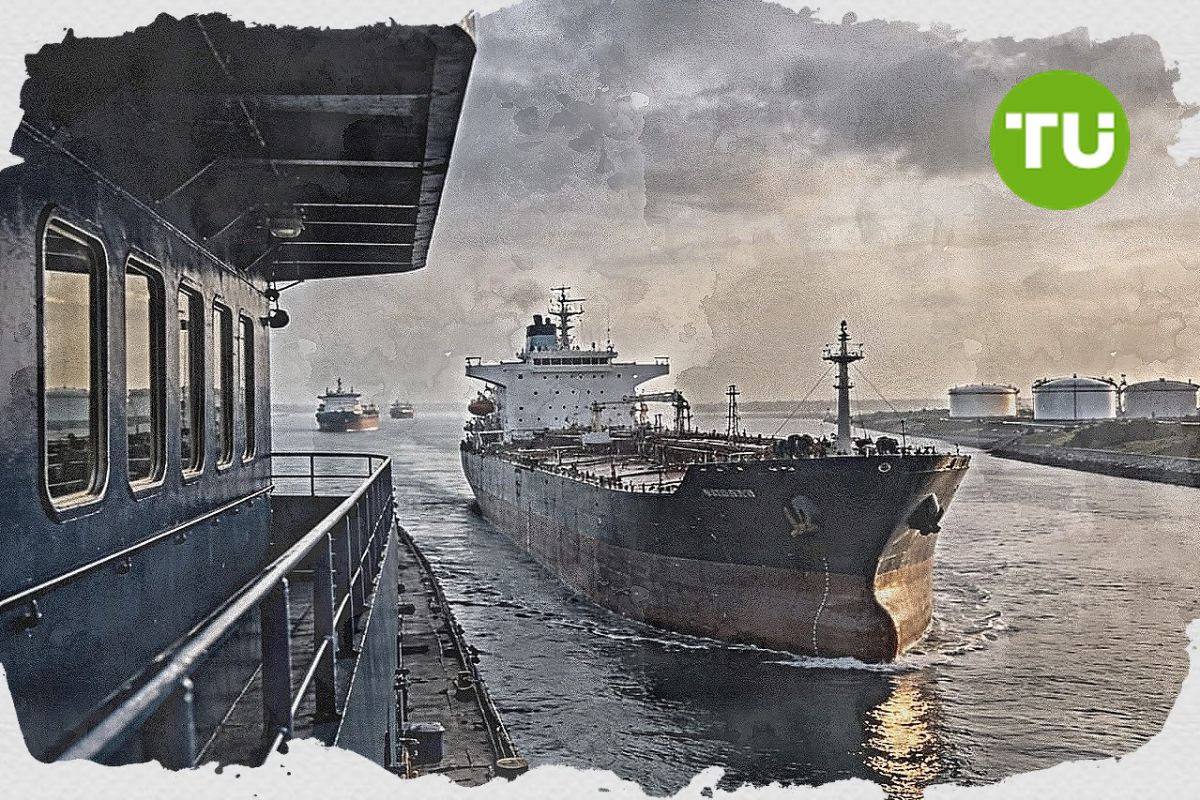
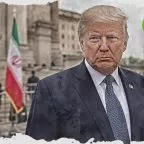
Three Saudi-flagged supertankers carrying 6 million barrels of oil passed through the Strait of Hormuz on Thursday. This happened just hours after U.S. President Donald Trump signed an agreement with Iran to end the war that had disrupted global energy supplies.
According to Reuters, Trump signed the “memorandum of understanding” to end the war on Wednesday. The document was also signed by Iranian President Masoud Pezeshkian. As a result, the agreement came into force two days earlier than previously expected. It provides for the immediate reopening of the Strait of Hormuz and the lifting of the U.S. blockade on Iranian ports.
How traffic is recovering
Although shipping market participants warn that restoring transit through the strait to pre-war levels will take time, including ensuring safe passage and clearing mines, the first signs of the agreement’s impact appeared almost immediately.
Vessels that previously may have concealed their location by switching off their transponders were once again broadcasting their coordinates and preparing to pass through the strait.
Brent crude futures fell by another 2%, dropping below $78 per barrel. This is the lowest level since the fighting began.
The U.S.-Iran memorandum launches a 60-day negotiation period, during which the parties are expected to reach a final settlement to the war.
How the conflict developed
The conflict began in February, when the United States, with Israel’s support, launched a military campaign against Iran. The fighting quickly affected energy infrastructure and key oil supply routes, including the Strait of Hormuz, through which a significant share of global seaborne crude exports passes. Amid threats to shipping, the blockade and the risk of attacks on tankers, carriers began limiting traffic through the strait, increasing pressure on the oil market.
The main goal of the campaign was to increase pressure on Tehran and push it toward concessions in negotiations. However, as the fighting expanded, the conflict began to threaten not only regional security but also the global economy. Risks to oil supplies increased concern among market participants, while the need to quickly stabilize the situation became one of the factors that pushed the sides toward an interim agreement.
As a reminder, the agreement between the United States and Iran led to a decline in oil prices.











-
 Afghanistan
-
 Albania
-
 Algeria
-
 Angola
-
 Argentina
-
 Armenia
-
 Australia
-
 Austria
-
 Azerbaijan
-
 Bahamas
-
 Bahrain
-
 Bangladesh
-
 Belarus
-
 Belgium
-
 Bolivia
-
 Botswana
-
 Brazil
-
 Brunei
-
 Bulgaria
-
 Cambodia
-
 Cameroon
-
 Canada
-
 Chile
Chile
-
 China
China
-
 Colombia
-
 Congo
Congo
-
 Costa Rica
-
 Cote d'Ivoire
-
 Croatia
-
 Cuba
Cuba
-
 Cyprus
-
 Czechia
-
 DR Congo
-
 Denmark
-
 Dominican Republic
-
 Ecuador
-
 Egypt
Egypt
-
 El Salvador
-
 Estonia
-
 Eswatini
-
 Ethiopia
-
 Finland
-
 France
-
 Georgia
-
 Germany
-
 Ghana
Ghana
-
 Greece
-
 Haiti
Haiti
-
 Hong Kong
-
 Hungary
-
 India
India
-
 Indonesia
-
 Iran, Islamic republic
-
 Iraq
Iraq
-
 Ireland
-
 Israel
-
 Italy
Italy
-
 Jamaica
-
 Japan
Japan
-
 Jordan
-
 Kazakhstan
-
 Kenya
Kenya
-
 Korea
Korea
-
 Kuwait
-
 Kyrgyzstan
-
 Laos
Laos
-
 Latvia
-
 Lebanon
-
 Lesotho
-
 Libya
Libya
-
 Lithuania
-
 Luxembourg
-
 Madagascar
-
 Malaysia
-
 Malta
Malta
-
 Mauritius
-
 Mexico
-
 Moldova
-
 Mongolia
-
 Montenegro
-
 Morocco
-
 Mozambique
-
 Myanmar
-
 Namibia
-
 Nepal
Nepal
-
 Netherlands
-
 New Zealand
-
 Nigeria
-
 North Macedonia
-
 Norway
-
 Oman
Oman
-
 Pakistan
-
 Palestine
-
 Panama
-
 Papua New Guinea
-
 Paraguay
-
 Peru
Peru
-
 Philippines
-
 Poland
-
 Portugal
-
 Puerto Rico
-
 Qatar
Qatar
-
 Reunion
-
 Romania
-
 Rwanda
-
 Saudi Arabia
-
 Serbia
-
 Singapore
-
 Slovakia
-
 Slovenia
-
 Somalia
-
 South Africa
-
 Spain
Spain
-
 Sri Lanka
-
 Sweden
-
 Switzerland
-
 Syria
Syria
-
 Taiwan
-
 Tajikistan
-
 Tanzania
-
 Thailand
-
 Trinidad and Tobago
-
 Tunisia
-
 Turkey
-
 UAE
UAE
-
 Uganda
-
 Ukraine
-
 United Kingdom
-
United States
-
 Uruguay
-
 Uzbekistan
-
 Venezuela
-
 Vietnam
-
 Yemen
Yemen
-
 Zambia
-
 Zimbabwe
- Forex
- Crypto











