

Oil prices rise after U.S. launches new Iran strikes

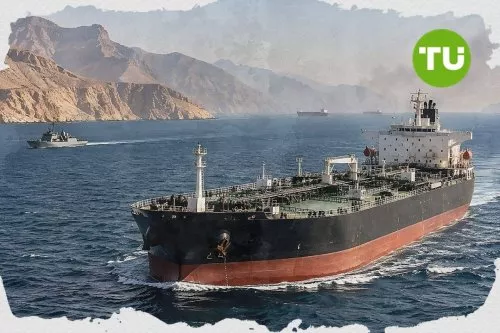
Oil prices rose sharply Wednesday after the United States launched new strikes against Iran, reviving fears that the fragile Middle East ceasefire could start to unravel. The escalation followed attacks on three commercial vessels near the Strait of Hormuz, a key route for global oil and gas shipments.
Highlights
- The price of Brent crude rose by 3.30%, while the price of WTI crude increased by 3.27%.
- The U.S. strikes followed attacks on three commercial vessels near Hormuz.
- The U.S. also revoked an oil sanctions waiver, adding economic pressure to the military escalation.
Brent futures for September delivery climbed 3.30% to $76.61 a barrel, while WTI futures for August delivery rose 3.27% to $72.74. The move marked a clear shift from recent trading, when investors had started to focus again on supply growth and the risk of a looser crude market, CNBC reports.
Strikes return focus to Hormuz
U.S. Central Command said American forces had begun powerful strikes against Iran after three commercial vessels were attacked while transiting in or near the Strait of Hormuz. The U.S. described the vessel attacks as a violation of last month’s ceasefire, which had reopened the waterway after months of disruption.
The U.S.-led Joint Maritime Information Center raised its threat assessment for ships in the area to severe, warning that further hostile action was likely. The reported attacks included a gas carrier and a Saudi oil tanker, making Tuesday the most serious day for maritime security since the ceasefire took effect.
Sanctions pressure adds another risk
The military response came as the U.S. Treasury withdrew a waiver that had allowed Iran to sell oil under the interim arrangement. That step weakens one of the key economic pieces of the ceasefire and signals that Washington is prepared to restore pressure if commercial shipping remains at risk.
Iran has warned it will respond, while talks toward a final agreement remain suspended during funeral ceremonies for Supreme Leader Ali Khamenei. The timing leaves diplomacy exposed to domestic pressure in Tehran and renewed inflation worries in the United States.
A narrow waterway with global consequences
The market reaction matters because oil had recently been moving on expectations of better supply. OPEC+ has continued to unwind production cuts, and regional producers had been trying to restore output after the ceasefire.
That backdrop changed quickly. Even limited attacks near Hormuz can lift insurance costs, delay cargoes, and force shipowners to reconsider routes. Tanker traffic has not stopped, but liquefied natural gas flows have slowed sharply, showing how sensitive energy markets remain to security risks in the Gulf.
The jump in Brent and WTI prices may fade if the latest exchange does not escalate. But the wider problem remains: a ceasefire that cannot protect commercial shipping leaves oil exposed to sudden spikes. Higher crude prices can feed into fuel costs, inflation expectations, and bond yields, raising pressure on central banks and on the Trump administration ahead of the November midterm elections.
As we previously reported, Trump says the Strait of Hormuz will remain open and toll-free.









-
 Afghanistan
-
 Albania
-
 Algeria
-
 Angola
-
 Argentina
-
 Armenia
-
 Australia
-
 Austria
-
 Azerbaijan
-
 Bahamas
-
 Bahrain
-
 Bangladesh
-
 Belarus
-
 Belgium
-
 Bolivia
-
 Botswana
-
 Brazil
-
 Brunei
-
 Bulgaria
-
 Cambodia
-
 Cameroon
-
 Canada
-
 Chile
Chile
-
 China
China
-
 Colombia
-
 Congo
Congo
-
 Costa Rica
-
 Cote d'Ivoire
-
 Croatia
-
 Cuba
Cuba
-
 Cyprus
-
 Czechia
-
 DR Congo
-
 Denmark
-
 Dominican Republic
-
 Ecuador
-
 Egypt
Egypt
-
 El Salvador
-
 Estonia
-
 Eswatini
-
 Ethiopia
-
 Finland
-
 France
-
 Georgia
-
 Germany
-
 Ghana
Ghana
-
 Greece
-
 Haiti
Haiti
-
 Hong Kong
-
 Hungary
-
 India
India
-
 Indonesia
-
 Iran, Islamic republic
-
 Iraq
Iraq
-
 Ireland
-
 Israel
-
 Italy
Italy
-
 Jamaica
-
 Japan
Japan
-
 Jordan
-
 Kazakhstan
-
 Kenya
Kenya
-
 Korea
Korea
-
 Kuwait
-
 Kyrgyzstan
-
 Laos
Laos
-
 Latvia
-
 Lebanon
-
 Lesotho
-
 Libya
Libya
-
 Lithuania
-
 Luxembourg
-
 Madagascar
-
 Malaysia
-
 Malta
Malta
-
 Mauritius
-
 Mexico
-
 Moldova
-
 Mongolia
-
 Montenegro
-
 Morocco
-
 Mozambique
-
 Myanmar
-
 Namibia
-
 Nepal
Nepal
-
 Netherlands
-
 New Zealand
-
 Nigeria
-
 North Macedonia
-
 Norway
-
 Oman
Oman
-
 Pakistan
-
 Palestine
-
 Panama
-
 Papua New Guinea
-
 Paraguay
-
 Peru
Peru
-
 Philippines
-
 Poland
-
 Portugal
-
 Puerto Rico
-
 Qatar
Qatar
-
 Reunion
-
 Romania
-
 Rwanda
-
 Saudi Arabia
-
 Serbia
-
 Singapore
-
 Slovakia
-
 Slovenia
-
 Somalia
-
 South Africa
-
 Spain
Spain
-
 Sri Lanka
-
 Sweden
-
 Switzerland
-
 Syria
Syria
-
 Taiwan
-
 Tajikistan
-
 Tanzania
-
 Thailand
-
 Trinidad and Tobago
-
 Tunisia
-
 Turkey
-
 UAE
UAE
-
 Uganda
-
 Ukraine
-
 United Kingdom
-
United States
-
 Uruguay
-
 Uzbekistan
-
 Venezuela
-
 Vietnam
-
 Yemen
Yemen
-
 Zambia
-
 Zimbabwe
- Forex
- Crypto












